
Scarf: types, uses, history and cultural significance
A scarf is a piece of fabric worn around the neck or head for warmth, modesty, protection or fashion. This article explains common types, materials, history, cultural and religious meanings, styling, care and safety.
A scarf is a length or square of textile worn on or near the head, around the neck or across the shoulders. Scarves serve practical and symbolic functions: they can insulate against cold, shield skin from sun and dust, signify rank or affiliation, meet religious requirements, or act as fashion accessories. Construction ranges from plain woven cotton to finely spun silk, knitted wool, or richly embroidered ceremonial cloth.
Image gallery
10 Images

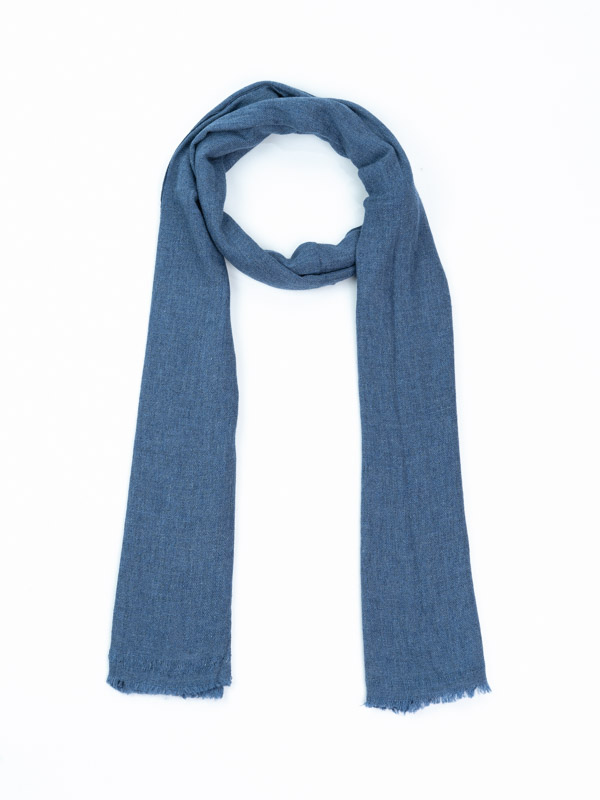


Common types and materials
- Neck scarves: long or tubular pieces used chiefly for warmth or style (mufflers, infinity scarves, cowls).
- Headscarves and veils: square or rectangular woven fabrics worn wrapped, pinned or draped; styles vary by culture.
- Shawls and stoles: larger wraps draped over shoulders for warmth or formal dress.
- Bandanas and kerchiefs: simple cotton squares used for practical protection or as decorative items.
- Materials: common fibres include wool, cotton, silk, cashmere and synthetic blends; surface treatments include printing, dyeing, embroidery and beading.
History and development
Small cloths and neck coverings appear in many early dress traditions worldwide. In some regions they began as purely functional garments for warmth or to protect hair and skin; in others they became markers of social status or religious observance. From handwoven regional textiles to luxury designer silk scarves popularized in the 20th century, the form and meaning of scarves have continually evolved with changes in technology, trade and fashion.
Cultural, religious and symbolic uses
Scarves frequently express cultural identity and belief. In many Muslim communities, women wear a headscarf commonly called a hijab as a practice of modesty; specific styles and terms can vary by region. Other examples include the keffiyeh or ghutra in parts of the Middle East, ceremonial stoles in academic or religious contexts, and scarves used by groups as emblems or protest symbols.
Styling and practical uses
Scarves are versatile: they may be knotted, looped, draped or wrapped to alter an outfit, adapt to weather or secure hair. Fabrics with different weights and finishes produce distinct drape and warmth, influencing how a scarf is styled. Designers and wearers often use scarves to add colour, pattern or texture to clothing ensembles.
Care, safety and manufacture
Care depends on fibre and construction—delicate silks often require gentle washing or professional cleaning, while many wool items benefit from hand washing or specialised treatment. Long scarves can pose hazards near machinery and should be managed safely. Scarves are produced by weaving, knitting or printing processes in a range of industrial and artisanal settings; trade in textiles has long linked local craft practices with global markets.
Related articles
Author
AlegsaOnline.com Scarf: types, uses, history and cultural significance Leandro Alegsa
URL: https://en.alegsaonline.com/art/87791