
Sari: traditional South Asian draped garment
A sari (saree, shari) is a long unstitched cloth draped by women across South Asia. This article explains its construction, regional drapes, history, fabrics, cultural importance and modern adaptations.
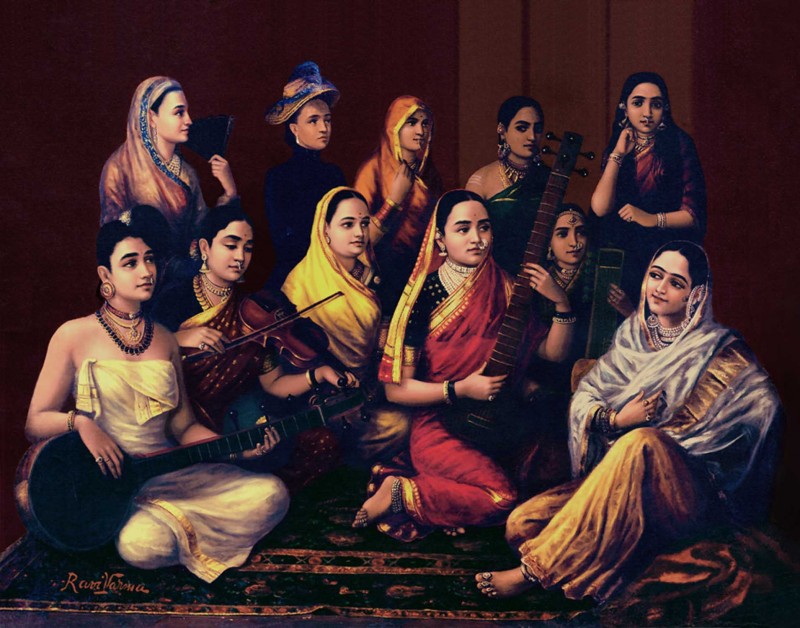
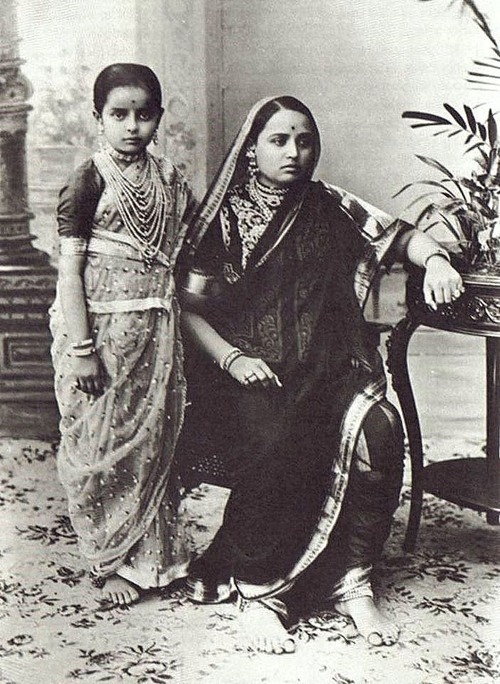
The sari (also spelled saree or shari) is a long, unstitched garment traditionally worn by women across South Asia. It consists of a single length of cloth wrapped and pleated around the body and paired with a fitted upper garment (commonly called a blouse, choli or ravika) and an underskirt or petticoat. Saris serve many practical and ceremonial roles: everyday wear in some regions, formal dress for weddings and festivals, and a visible marker of cultural and regional identity.
Image gallery
10 Images




Overview and basic characteristics
Typically a sari ranges from about four and a half to nine yards (roughly four to eight meters) in length and about one to one and a half meters wide, though these measurements vary by style and region. The cloth may be plain or elaborately decorated with weaving, printed designs, embroidery, or metal-thread borders known as zari. Unlike two-piece outfits, the sari is not constructed by sewing separate panels; its principal feature is that it remains a single, continuous piece of fabric whose appearance depends on how it is draped.
Parts and common draping styles
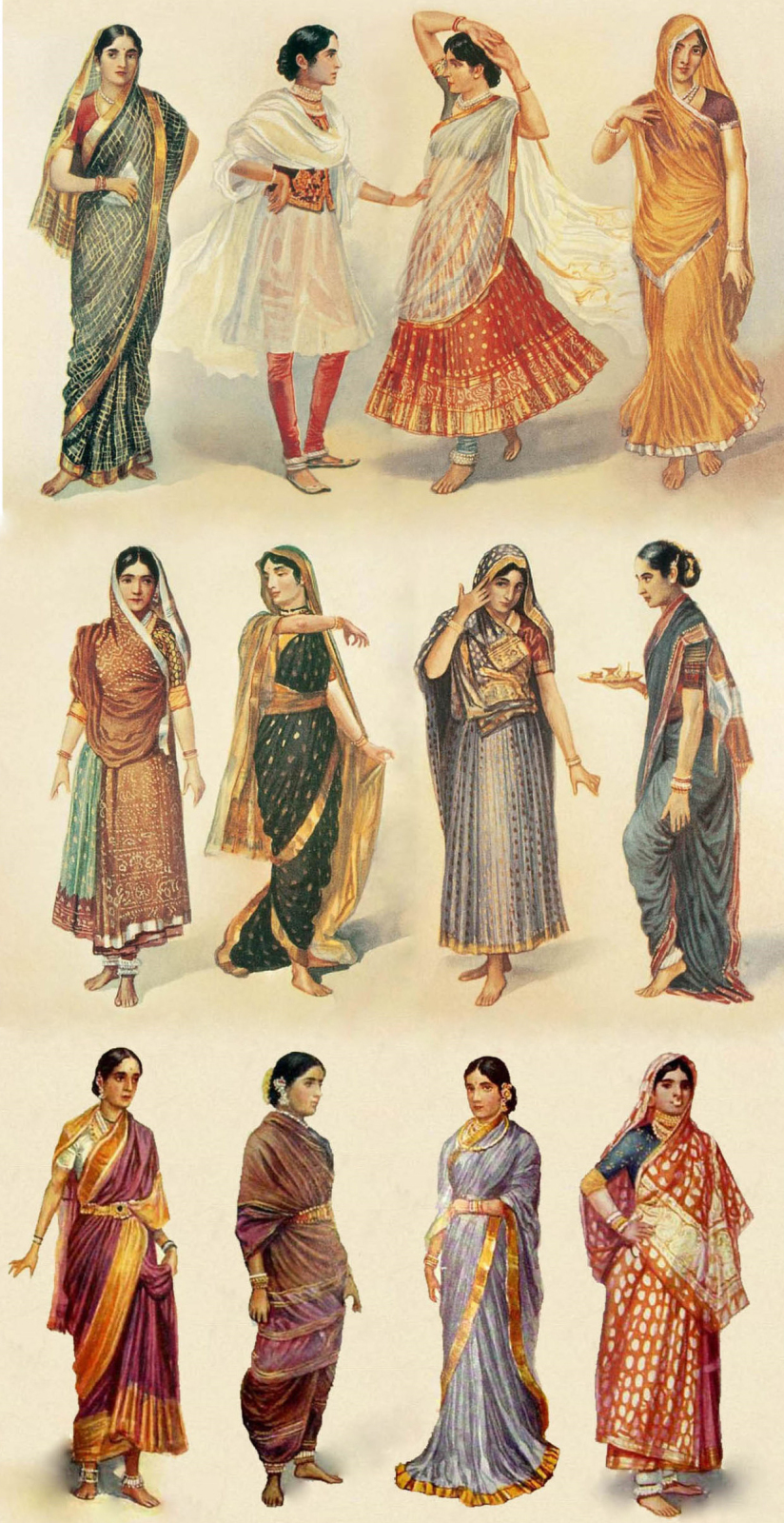
A conventional sari outfit has three parts: the unstitched sari, a fitted blouse, and a petticoat that helps hold pleats in place. Draping methods differ widely. Notable styles include:
- Nivi (originating in Andhra Pradesh): pleats tucked at the front with the loose end (pallu) draped over the shoulder.
- Bengali: the pallu thrown over both shoulders or draped in distinctive folds, often without many front pleats.
- Gujarati: the pallu is brought from the back to fall over the right shoulder with its end spread across the chest.
- Maharashtrian and Tamil variations: include five- or nine-yard saris draped to allow greater mobility, sometimes resembling a dhoti-like tuck.
These drapes reflect local customs, climates, and activities; each creates a distinctive silhouette and cultural meaning.
History and development
The sari has ancient antecedents. Literary and archaeological evidence from the Indian subcontinent shows draped garments in antiquity, and strands of this tradition continue to modern saris. Over centuries, weaving techniques, motifs, and tailoring evolved. Influences from trade, courtly fashions, and interactions with Central Asian and Persian dress traditions introduced tailored blouses and new patterns; colonial and global trade further affected fabric availability and aesthetic preferences. Today the sari remains both an everyday garment in many areas and a ceremonial one elsewhere.
Fabrics, regional varieties and craft traditions
Saris are woven or made in a wide array of materials: handloom cotton, mulberry and tussar silks, muga and eri silks native to Assam, fine muslin and blended synthetics like chiffon and georgette. Many regions are renowned for signature weaves and decorative work. Examples include Banarasi brocades, Kanjeevaram silks from Tamil Nadu, Dhakai Jamdani from Bangladesh, Patola double-ikat, Chanderi cotton-silk, Mysore silk and Tant cotton. These names often indicate a weaving technique, design vocabulary and a geographic origin that support local economies and craft traditions. Learn more about regional weaves.
Uses, symbolism and contemporary trends
Worn at weddings, religious ceremonies, and official functions, saris carry symbolic weight: color, fabric and drape can signal marital status, regional background, caste or community affiliation, and the nature of the event. In urban life, many women wear saris as professional or formal attire; in rural areas they may be everyday clothing. Contemporary fashion designers have reinvented sari silhouettes, introduced pre-stitched saris for convenience, and mixed traditional motifs with modern fabrics. The garment has also travelled with diaspora communities and appears on global runways and red carpets. Cultural context and modern fashion.
Distinctions and terminology
Spelling variations—sari, saree, shari—reflect different transliterations into English. The essential distinction is that a sari is traditionally an unstitched length of cloth; garments that mimic the look but are composed of sewn panels or skirts (for example some lehengas or pre-stitched saris) are related but technically different. Conservation and promotion of handloom saris involve intellectual property, geographical indications, and craft-support initiatives. Traditional crafts and evolving legal protections continue to shape the sari's future.
For practical guidance on wearing, care, and regional etiquette, see introductory resources and tutorials. Practical guides and how-to introductions.
Related articles
Author
AlegsaOnline.com Sari: traditional South Asian draped garment Leandro Alegsa
URL: https://en.alegsaonline.com/art/87363