
San Mateo County, California
San Mateo County is on the San Francisco Peninsula in California, spanning bay shoreline, hills and Pacific coast. It includes Redwood City (county seat), diverse communities, parks, transport hubs and a major Bay Area economy.

San Mateo County occupies much of the central portion of the San Francisco Peninsula and is part of the broader Bay Area. Its name comes from the Spanish for Saint Matthew; the county’s Spanish name is often cited in historical records (San Mateo). Located in the U.S. state of California, the jurisdiction is one of the region’s coastal counties and is sometimes described simply as a Peninsula county.
Image gallery
10 Images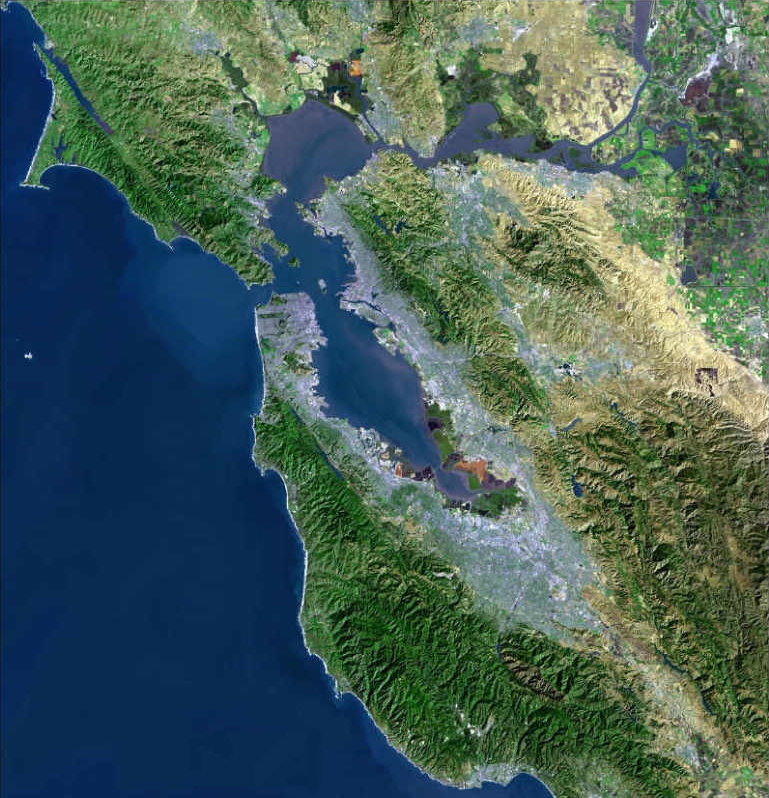


Overview and communities
The county contains a mix of incorporated cities, suburban neighborhoods and rural coastal zones. The administrative center and county seat is Redwood City, which functions as a civic and legal hub. Other population centers range from densely developed shorefront towns to quieter inland communities and ocean-facing settlements. Official population tallies from the 2010 census recorded several hundred thousand residents; the area has since experienced demographic and economic change tied to the wider Bay Area.
Geography and environment
San Mateo County’s landscape extends from the edge of the San Francisco Bay on the east across a narrow coastal plain, rising into the Santa Cruz Mountains and dropping to beaches and cliffs on the Pacific side. This variety supports coastal marshes, redwood groves, and marine reserves. The county climate is generally Mediterranean and moderated by Pacific fog and breezes, producing mild temperatures year-round.
Public lands and parks are prominent features. Trails, preserves and pocket beaches offer recreation and habitat protection; the county also manages regional parklands and shoreline facilities that attract visitors for hiking, birdwatching and coastal access.
History and development
The area was long inhabited by Indigenous peoples before European contact. During the Spanish and Mexican eras it formed part of mission and rancho holdings; later it was organized as a separate county in the mid-19th century as California’s local government map was redrawn. Over the 20th and 21st centuries the county suburbanized and became closely integrated with the economy and transport networks of the Bay Area.
Economy, transport and notable facts
San Mateo County plays an important role in the Bay Area economy. Its location on the Peninsula places it adjacent to Silicon Valley and San Francisco; the region hosts technology companies, research institutions and a broad professional services sector. Major transportation corridors—including commuter rail, highways and nearby air transport facilities—connect residents to jobs throughout the Bay Area. The county’s northern edge is adjacent to San Francisco and has key regional infrastructure and transit links to the metropolitan core.
- Landscape types: bay shore, suburban plain, coastal cliffs and mountain woodlands.
- Recreation: regional parks, coastal reserves and a network of public trails.
- Regional role: part of the San Francisco Peninsula corridor and broader Bay Area economy.
For further information about local government, demographics, and services, consult county resources and regional planning documents maintained by state and municipal agencies in the state and by local authorities in the Bay Area.
Related articles
Author
AlegsaOnline.com San Mateo County, California Leandro Alegsa
URL: https://en.alegsaonline.com/art/86890
Sources
- quickfacts.census.gov : "State & County QuickFacts"
- naco.org : "Find a County"