
San Pedro de Macorís Province
Province in southeastern Dominican Republic known for its port, sugar past and strong baseball tradition; its capital is the coastal city San Pedro de Macorís.
San Pedro de Macorís is a province in the southeastern part of the Dominican Republic. Its capital city, San Pedro de Macorís, sits on the Caribbean coast and functions as the province’s principal port and urban center. The area combines coastal lowlands, agricultural plains and townships that grew up around sugar production and shipping.
Image gallery
5 Images


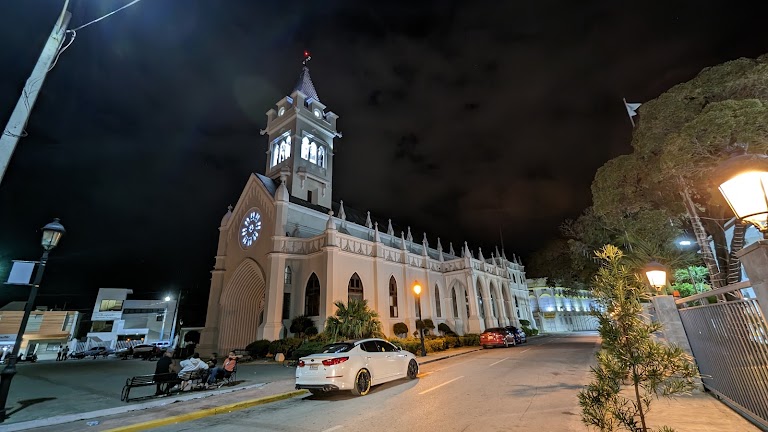
Geography and administration
The province includes the capital municipality and a number of smaller towns and municipal districts that serve surrounding sugarcane fields and coastal communities. Settlements vary from urban neighborhoods near the port to rural districts where agriculture remains the dominant land use. The coastline has beaches, small harbors and mangrove-lined inlets.
History and development
The modern province developed around export agriculture and the movement of people and capital tied to the sugar industry. In the late 19th and early 20th centuries the growth of sugar mills, rail links and a commercial port transformed the local economy and created a culturally diverse population shaped by African, European and Caribbean influences.
Economy and society
Sugarcane cultivation and associated processing historically anchored the local economy, along with port activity, commerce and service industries in the capital. Over time the economic base has diversified to include small manufacturing, trade and tourism services on the coast. Local culture blends Creole traditions, Afro-Caribbean music and popular Dominican festivals.
Sports and cultural significance
San Pedro de Macorís is widely known across the Dominican Republic and abroad for producing a striking number of professional baseball players. Talented athletes from the province have reached Major League Baseball and helped make baseball an important social institution in local towns and neighborhoods. The sport acts as both civic pride and a pathway to international careers.
Notable facts
- The capital serves as the province’s main commercial and transport hub, with a historic waterfront and working port.
- Its population reflects a mix of ancestries and cultural influences tied to the sugar era and regional migration.
- The province remains an example of how coastal Dominican communities balance agriculture, industry and cultural life.
Questions and answers
Q: What is San Pedro de Macorís?
A: San Pedro de Macorís is a province of the Dominican Republic.
Q: Where is San Pedro de Macorís located?
A: San Pedro de Macorís is located in the southeastern part of the Dominican Republic.
Q: What is the capital city of San Pedro de Macorís?
A: The capital city of San Pedro de Macorís is also called San Pedro de Macorís.
Q: How many provinces does the Dominican Republic have?
A: The Dominican Republic has 32 provinces.
Q: What region does San Pedro de Macoris belong to?
A:San Pedro de Macoris belongs to the southeastern region of the Dominican Republic.
Q: Is there any other cities in this province besides its capital city?
A: Yes, there are several other cities in this province besides its capital city, such as La Romana and Hato Mayor del Rey.
Related articles
Author
AlegsaOnline.com San Pedro de Macorís Province Leandro Alegsa
URL: https://en.alegsaonline.com/art/86910
Sources
- one.gob.do : "División Territorial 2012"
- censo2010.one.gob.do : "IX Censo Nacional de Población y Vivienda 2010"
- one.gob.do : "División Territorial 2015"
- one.gob.do : "REPÚBLICA DOMINICANA: Población por año calendario, según sexo y grupos quinquenales de edad, 2015-2020"
- geonames.org : "San Pedro de Macorís"