
San Nicolas Island
San Nicolas Island is the outermost of California’s Channel Islands. Owned and operated by the U.S. Navy, it is remote, sparsely inhabited, and used for training and weapons testing with restricted public access.
Overview
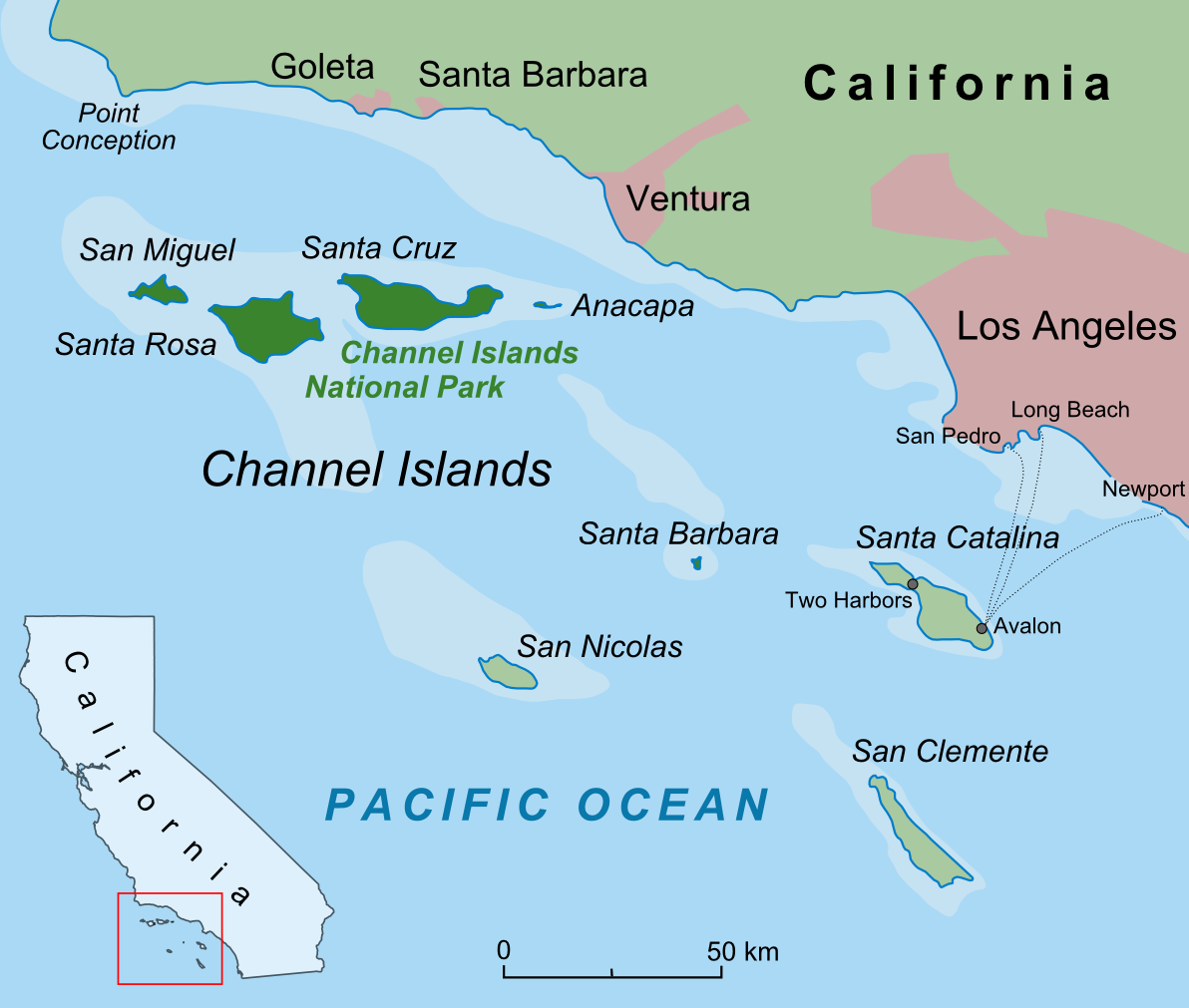
San Nicolas Island is the most remote of California's Channel Islands, located off the southern California coast. The island covers roughly 14,562 acres (about 59 km²) and lies within the Channel Islands chain. Administratively it is part of Ventura County, though it is federally owned and not included in Channel Islands National Park.
Image gallery
7 Images


Geography and natural features
The island is characterized by coastal bluffs, sandy beaches, and rolling interior slopes. Its isolation has supported seabird colonies and other marine-associated wildlife. San Nicolas and the surrounding waters provide habitat for seals, sea birds and a variety of intertidal species; some plant and animal populations show island-specific characteristics. Public access is tightly controlled to protect both natural and operational resources.
Human history
San Nicolas Island was originally inhabited by the Nicoleño people, who lived there for centuries before contact with European and American visitors. By the mid-19th century the native population had effectively disappeared; the last known islander, often called Juana Maria, was brought to the mainland in 1853 and later became the inspiration for the novel Island of the Blue Dolphins. Archaeological sites and artifacts from the island document a long record of indigenous occupation and maritime subsistence.
Military use and facilities
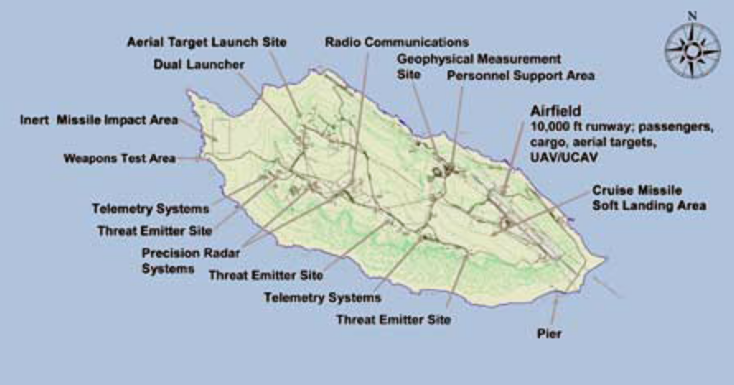
Today the island is owned and operated by the U.S. Navy. It is used primarily as a weapons testing, training, and research range. A small airfield and supporting infrastructure accommodate military personnel and equipment; the resident population is limited to Navy staff and contractors, typically numbering in the low hundreds. Because of its operational role, much of the island is closed to the general public.
Notable facts and distinctions
- San Nicolas Island is the farthest from the California mainland of the Channel Islands group.
- It is federally controlled and thus distinct from nearby protected areas that are maintained for public recreation and conservation.
- The island figures in cultural history through the story of the Nicoleño people and literary works inspired by their experience.
Research, conservation, and operational activities on San Nicolas Island continue to balance natural resource protection with national defense needs. Because access is restricted, most people learn about the island through historical accounts, scientific studies, and its occasional appearance in cultural references rather than by visiting in person.
Questions and answers
Q: Where is San Nicolas Island located?
A: San Nicolas Island is located off the coast of California and is part of Ventura County.
Q: How far is San Nicolas Island from the shore?
A: San Nicolas Island is the farthest from the shore compared to the other Channel Islands in California.
Q: Who is using San Nicolas Island?
A: The United States Navy is using San Nicolas Island for weapons testing and training.
Q: Who lives on San Nicolas Island?
A: About 200 people who serve the military are the only inhabitants of San Nicolas Island.
Q: What are the features of San Nicolas Island?
A: San Nicolas Island has a small airport and a big billboard.
Q: What is the size of San Nicolas Island?
A: San Nicolas Island has an area of 14,562 acres, which is equivalent to 58.93 square kilometers or 22.753 square miles.
Q: What is the main purpose of San Nicolas Island?
A: The main purpose of San Nicolas Island is used by the United States Navy for military activities such as weapons testing and training.
Related articles
Author
AlegsaOnline.com San Nicolas Island Leandro Alegsa
URL: https://en.alegsaonline.com/art/86904
Sources
- missionscalifornia.com : "The Lone Woman of San Nicolas Island"
- news.discovery.com : "'Island of Blue Dolphins' Cave Possibly Found"
- globalsecurity.org : GlobalSecurity.org: San Nicolas Island
- militarymuseum.org : Naval Auxiliary Air Station, San Nicolas Island
- nhm.org : Photo of Juana Maria's Whalebone Hut