
Samoyed (dog): Origin, Characteristics, Temperament and Care
The Samoyed is a northern working dog known for its thick white coat, curled tail and friendly 'smile'. Bred by Siberian herders for sled and herding work, it remains a popular companion and working breed.
Overview
The Samoyed is a northern, or Arctic, dog breed traditionally kept by indigenous Siberian peoples. Recognizable for its bright, often white coat and characteristic upcurled tail, the Samoyed has a history as both a working and companion animal. Though commonly mistaken for other northern breeds, it has distinct features and a long record of utility in cold climates.
Image gallery
10 Images



Physical characteristics
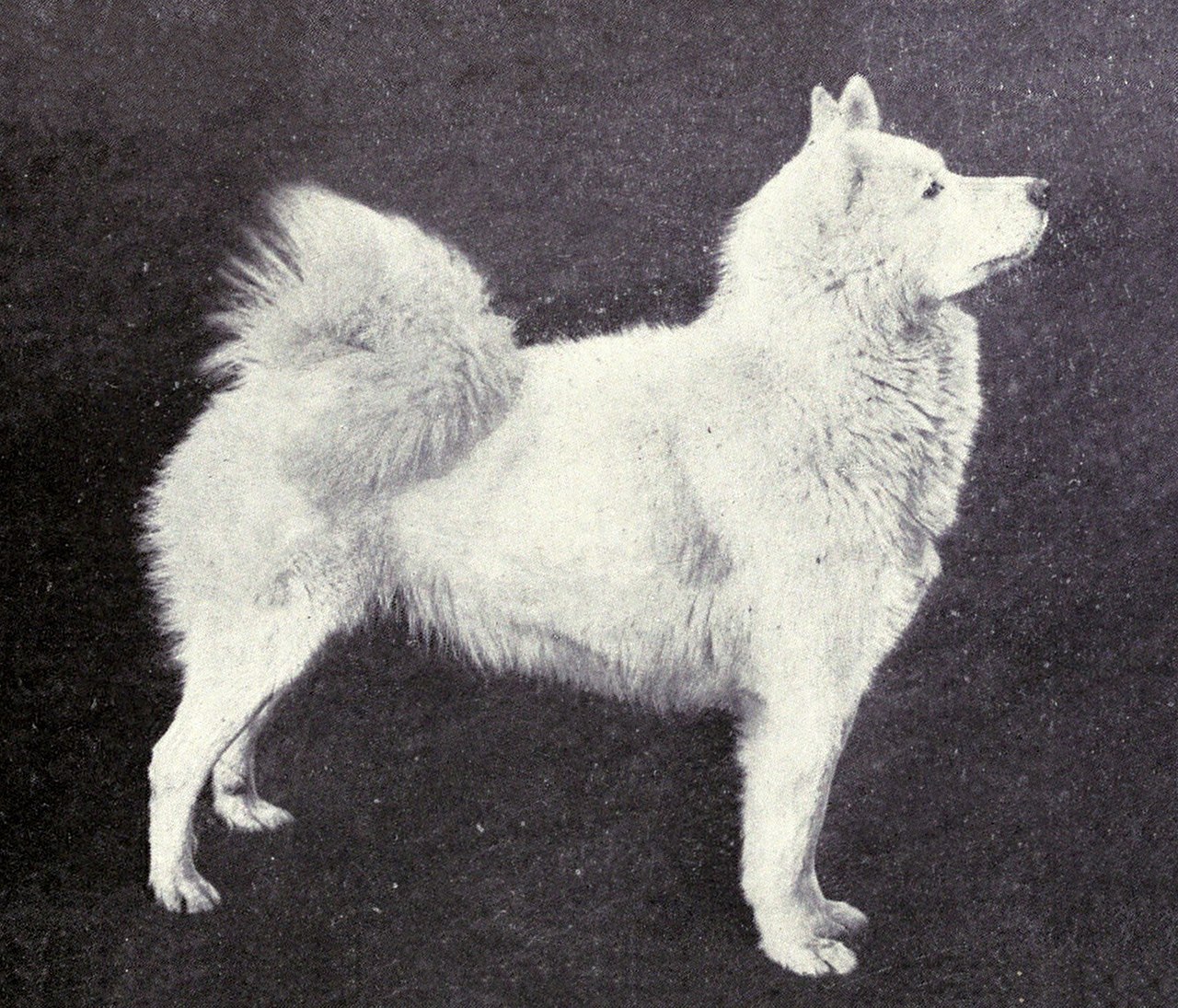
Samoyeds are medium-to-large dogs, typically about two to three feet at the shoulder. They possess a dense double coat—an insulating undercoat beneath a longer outer coat—that protects them from extreme cold. Key traits include a wedge-shaped head, dark eyes, erect ears and a thick tail carried over the back. Their expression is often described as a gentle "Samoyed smile."
Common traits and maintenance
- Coat and grooming: Regular brushing is necessary to manage shedding and to prevent matting; seasonal blowouts are common. For guidance, see coat care and fur characteristics.
- Exercise: Bred for work, they need consistent activity and mental stimulation.
- Climate: They tolerate cold well but can overheat in hot climates without proper care.
History and traditional uses
Samoyeds were developed by the Samoyedic peoples of Siberia as multipurpose dogs. They helped herd reindeer, pulled sleds and provided warmth and companionship in camps. Their ability to work in teams and maintain stamina made them valuable in harsh environments. Modern Samoyeds are still used for recreational sledding and as family companions; historical and practical contexts can be explored further at sled and draft work.
Temperament and suitability
Known for being friendly, alert and outgoing, Samoyeds form strong bonds with people and often do poorly as solitary guard dogs because they are sociable rather than aggressive. They are generally good with families and other dogs when properly socialized but need consistent training and leadership. For comparisons to other Arctic breeds, see similar Arctic breeds.
Notable facts and considerations
While attractive and affectionate, Samoyeds require commitment: grooming, exercise and attention to climate and dental and joint health. Their distinctive appearance and amiable nature make them popular companions, but potential owners should understand the responsibilities of caring for a working-breed dog.
Related articles
Author
AlegsaOnline.com Samoyed (dog): Origin, Characteristics, Temperament and Care Leandro Alegsa
URL: https://en.alegsaonline.com/art/86707