
Sandpiper (Scolopacidae): shorebirds that probe mudflats and coasts
Sandpipers are a diverse family of shorebirds (Scolopacidae) known for probing mud and sand for invertebrates. This article covers their appearance, behaviour, breeding, migration, and conservation.
Overview
Sandpipers belong to the family Scolopacidae, a large group of waders commonly encountered along shores, mudflats and wetlands. The family contains many species called "sandpipers" as well as birds known as curlews, godwits and snipes. The family-level name and broad natural-history treatments can be found in standard references on shorebirds; see the family entry at Scolopacidae for taxonomic context.
Image gallery
10 Images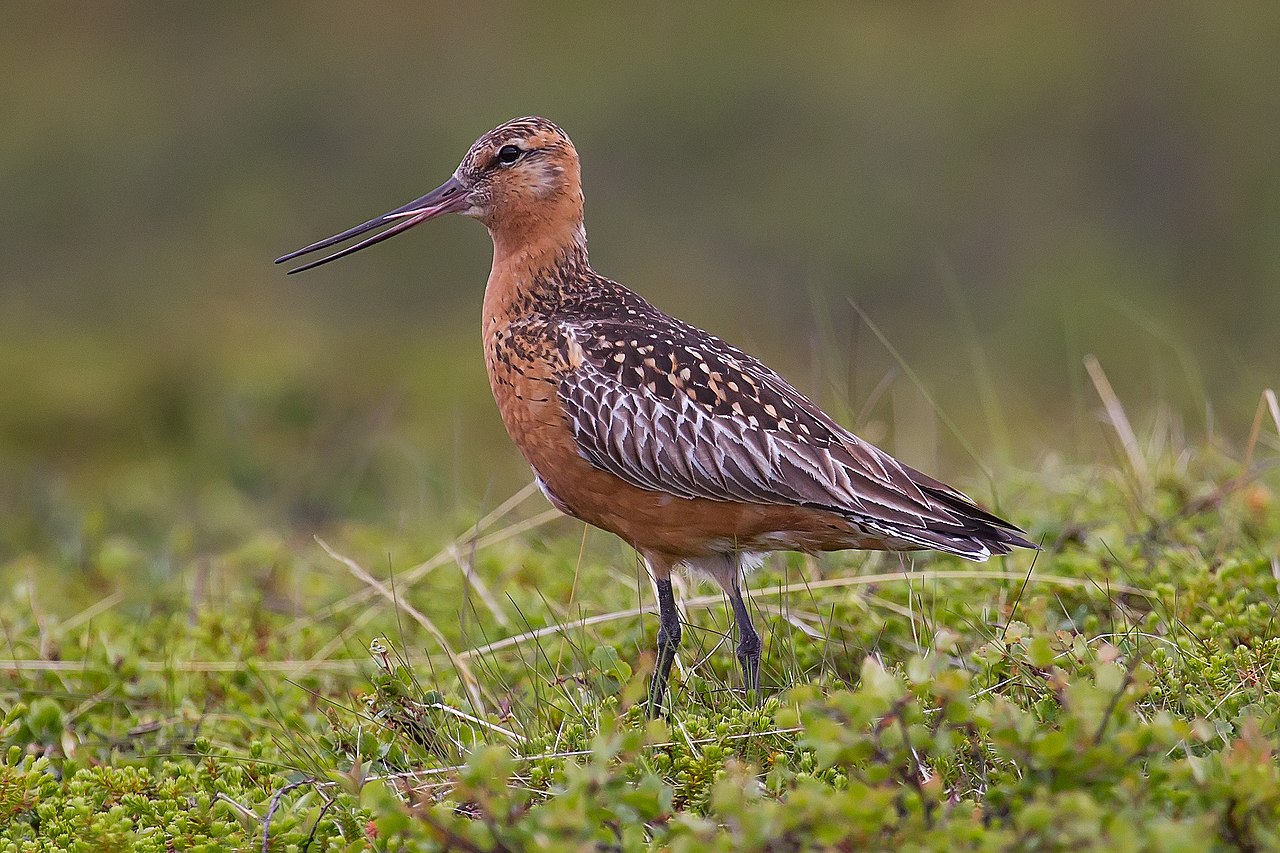


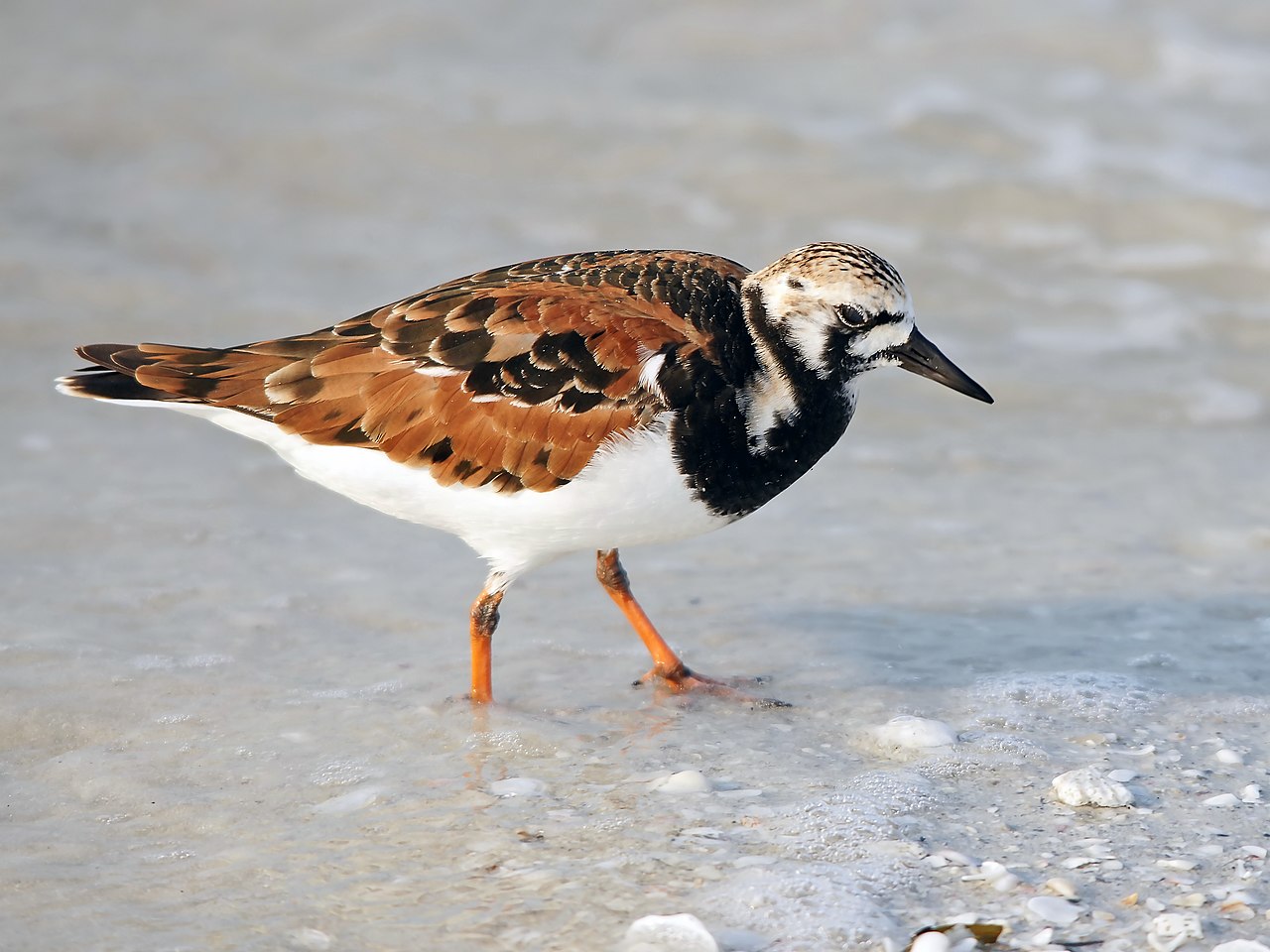


Physical characteristics
These birds range from small to medium size and typically have long legs, narrow wings and slender bodies adapted for probing and running along substrates. Bill shapes vary widely: many species have straight, thin bills, while others possess markedly curved or elongated bills. Bill sensitivity is an important trait that lets sandpipers detect prey beneath the surface; further discussion of feeding anatomy appears below and is summarized at feeding adaptations. Plumage is usually cryptic—browns, greys and streaks—although breeding plumage in some species becomes more colourful.
Feeding, niche partitioning and habitat
Most sandpipers feed on small invertebrates such as worms, crustaceans and molluscs, picked or probed from mud, sand and shallow water. Species with different bill lengths and shapes can exploit the same area without intense competition by foraging at slightly different depths or substrata; information on how bill variation reduces competition is discussed in field guides and summaries at bill length and diet and niche partitioning. They are commonly seen on open coasts, estuaries and inland wetlands; many species concentrate on coastal mudflats during migration and overwintering (coastal habitats).
Behaviour and reproduction
Sandpipers display a range of courtship behaviours, often including aerial displays and calls that help pairs establish and defend territories. Nests are simple ground scrapes, typically lined with bits of vegetation or pebbles; see general nesting information at nesting. Females generally lay a small clutch of eggs—commonly three or four—and the eggs are well camouflaged (egg description). Chicks hatch in a precocial state, leaving the nest soon after hatching and following parents to feeding areas; the precocial condition is detailed at precocial young.
Distribution, migration and notable species
The family is cosmopolitan: different species breed in arctic, temperate and tropical regions and many undertake long-distance migrations. Some well-known members include curlews and snipes (often referenced together under shorebird treatments). Their long migratory journeys and reliance on staging areas make particular species indicators of wetland health: see species accounts and flyway information at migration and flyways.
Importance and conservation
Sandpipers are important in food webs as predators of invertebrates and as prey for larger predators. Because many species use coastal wetlands and intertidal zones, they are vulnerable to habitat loss, pollution and disturbance. Conservation efforts typically focus on protecting key staging and breeding sites, monitoring populations, and maintaining mudflat and wetland quality. Lists of specific threats and conservation actions are available in regional guides and conservation summaries (family overview).
- Common field features: long legs, probing bill, cryptic plumage, active foraging.
- Typical diet: worms, small crustaceans, insect larvae and molluscs.
- Reproduction: ground scrape nests, small clutches, precocial chicks.
- Conservation concerns: habitat loss, coastal development, climate-related sea-level changes.
For more detailed species accounts, identification tips and regional checklists consult ornithological field guides and online resources provided by birding organizations (identification, field behaviour, ecology, habitats, migration, breeding, eggs, chicks).
Questions and answers
Q: What are sandpipers?
A: Sandpipers are a large family of waders or shorebirds, the Scolopacidae, which include many species called sandpipers as well as those called by names such as curlew and snipe.
Q: What do most species of sandpipers eat?
A: Most species of sandpipers eat small invertebrates picked out of the mud or soil.
Q: How do different lengths of bills benefit sandpipers?
A: Different lengths of bills allow different species of sandpipers to feed in the same habitat on the coast without direct competition for food.
Q: How do sandpipers feel for their food?
A: Sandpipers feel for their food using their sensitive bills to feel the mud and sand as they probe for food.
Q: What is the nesting behavior of sandpipers?
A: Most species of sandpipers nest in open areas and defend their territories with aerial displays. The nest itself is a simple scrape in the ground, in which the bird usually lays three or four eggs.
Q: What is the plumage of sandpipers?
A: Sandpipers generally have dull plumage, with cryptic brown, grey, or streaked patterns, although some display brighter colors during the breeding season.
Q: Are the young of most species of sandpipers precocial or altricial?
A: The young of most species of sandpipers are precocial.
Related articles
Author
AlegsaOnline.com Sandpiper (Scolopacidae): shorebirds that probe mudflats and coasts Leandro Alegsa
URL: https://en.alegsaonline.com/art/86986