
List of Greek islands: overview, groups, and notable islands
Survey of islands that belong to Greece, their major groups, how they are counted and classified, and examples of the largest and best known islands.
Greece comprises a very large number of islands and islets scattered across the Aegean and Ionian seas. Commonly cited totals are on the order of several thousand landforms, with a few hundred permanently inhabited. Islands range from large, mountainous landmasses with cities to tiny uninhabited rocks and seasonal fishing outposts.
Image gallery
10 Images


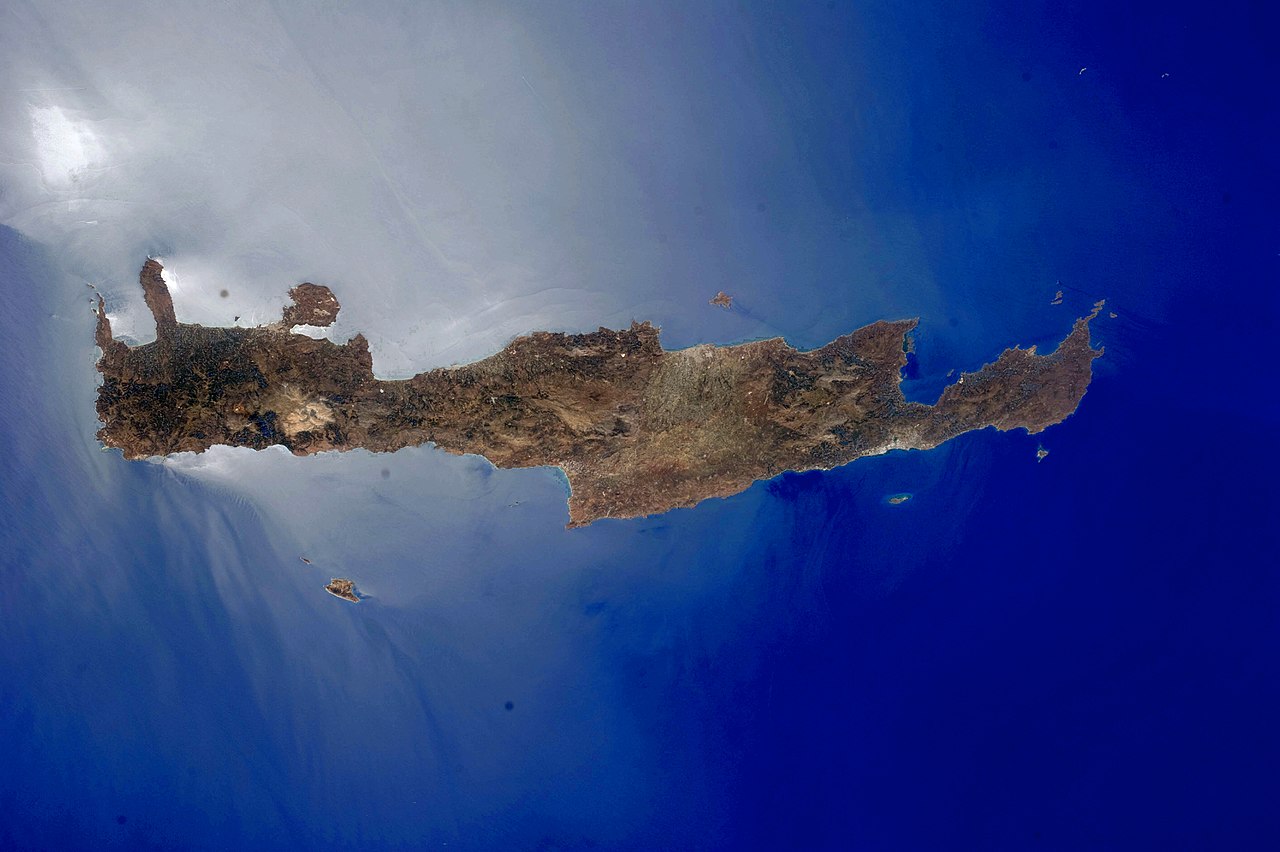


Major island groups
Islands are commonly grouped by geography and culture into several archipelagos that shape administration, travel and history. These groups include:
- Cyclades — central Aegean islands known for whitewashed villages and tourism.
- Dodecanese — islands in the southeastern Aegean, near the Turkish coast.
- Ionian Islands — western islands with lush vegetation and different historical influences.
- North Aegean, Sporades, Saronic Gulf islands, and Crete as a large southern island with its own identity.
Counting, classification and administration
Different sources count islands and islets differently: some include every rock and skerry above water, others limit the tally to landmasses of a minimum size. Administrative divisions assign most islands to regional units of Greece and to municipalities that may cover several islands. Lists of islands are therefore compiled by area, by permanent population, or alphabetically, depending on purpose.
Geologically, Greek islands formed through tectonic activity and sea-level changes; ecologically they support Mediterranean flora and fauna and often host endemic species. Culturally they bear traces of ancient settlement, Byzantine and Ottoman rule, and modern maritime traditions.
Today the islands are important for tourism, agriculture (olive oil, grapes, citrus), fishing and shipping. Regular ferry networks and smaller local services connect islands with each other and the mainland, making them integral to transportation and regional economies.
Notable islands and examples
- Crete — the largest Greek island and a cultural and economic center.
- Euboea (Evia) — long island close to the mainland with both urban and rural areas.
- Lesbos, Rhodes, Chios, Kefalonia, Corfu — among larger, well-known islands.
- Santorini and Mykonos — internationally famous for tourism and landscapes.
For structured lists presented by area or population, consult national and regional compilations such as the official list or regional gazetteers that clarify counting methods and administrative assignment.
Related articles
Author
AlegsaOnline.com List of Greek islands: overview, groups, and notable islands Leandro Alegsa
URL: https://en.alegsaonline.com/art/124734