
San Cristóbal Province, Dominican Republic
San Cristóbal Province is a coastal province in the southern Dominican Republic, centered on the city of San Cristóbal. It features coastal plains, mixed agriculture and industry, and ties to colonial and modern history.
Overview
San Cristóbal Province is an administrative region on the southern coast of the Dominican Republic. The province takes its name from its capital, the city of San Cristóbal, and serves as a transitional zone between the densely populated national capital area and more rural interior landscapes. Its coastal location and transport connections shape much of its economy and settlement pattern.
Image gallery
7 Images


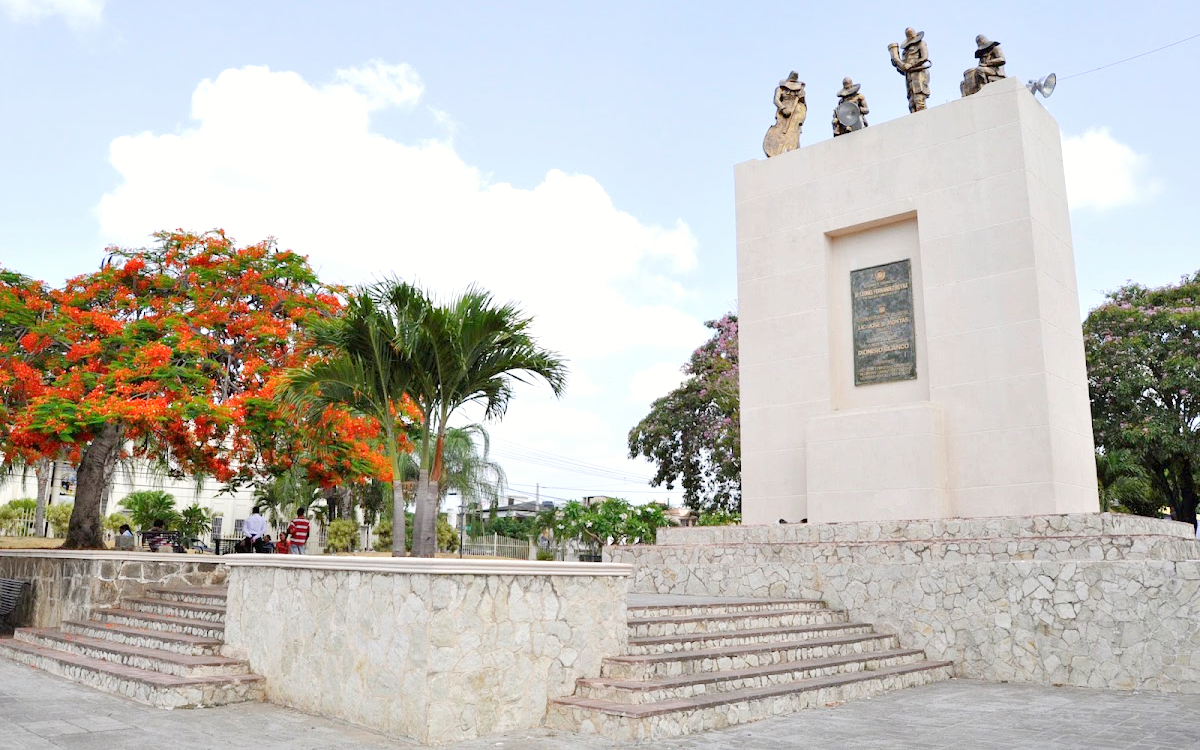

Geography and environment
The province includes low coastal plains and rolling inland terrain. Coastal beaches and mangrove-lined stretches give way to agricultural land and small hills further north. The climate is tropical, with a warm season and a rainy season typical of the Caribbean; local conditions vary with elevation and proximity to the sea. Natural resources and landscapes support both cultivated crops and patches of native vegetation.
History and name
The name San Cristóbal refers to Saint Christopher, reflecting Spanish colonial naming traditions. Like much of the island, the area has a layered history that includes Indigenous Taíno presence prior to European contact, Spanish colonial settlement, and later development as part of the modern Dominican state. The province’s growth has been influenced by its access to coastal trade routes and its proximity to the national capital region.
Economy, culture and uses
Economic activity mixes agriculture, light industry and services. Farmers cultivate crops suited to tropical lowlands while nearby urban and industrial zones provide employment in manufacturing, commerce and transport. Cultural life reflects Dominican traditions in music, festivals and cuisine; local celebrations often combine religious and community elements. The province’s beaches and coastal areas also attract visitors for recreation and local tourism.
Administration and notable facts
Administratively, the province is organized into municipalities and smaller municipal districts centered on towns and the capital city. Its position near the national capital corridor gives it strategic importance for commuting, trade and regional planning. For more detail on specific municipalities, infrastructure and public services, see provincial references and official sources.
Questions and answers
Q: What is San Cristóbal?
A: San Cristóbal is a province of the Dominican Republic.
Q: Where is San Cristóbal located?
A: San Cristóbal is located along the south coast of the Dominican Republic.
Q: What is the capital city of San Cristobal?
A: The capital city of San Cristobal is also called San Cristobal.
Q: How many provinces are there in the Dominican Republic?
A: There are 31 provinces in the Dominican Republic, including San Cristobal.
Q: Is there any other major cities in this province besides its capital?
A: Yes, there are several other major cities in this province such as Bajos de Haina and La Vega.
Related articles
Author
AlegsaOnline.com San Cristóbal Province, Dominican Republic Leandro Alegsa
URL: https://en.alegsaonline.com/art/86788
Sources
- one.gob.do : "División Territorial 2012"
- censo2010.one.gob.do : "IX Censo Nacional de Población y Vivienda 2010"
- one.gob.do : "División Territorial 2015"
- one.gob.do : "REPÚBLICA DOMINICANA: Población por año calendario, según sexo y grupos quinquenales de edad, 2015-2020"
- geonames.org : "San Cristóbal"