
Saltopus — small Late Triassic reptile (Saltopus elginensis)
Saltopus was a tiny, lightly built Late Triassic reptile known from a single fragmentary skeleton found in Scotland. Its exact relationships are uncertain; it offers clues to early dinosaur evolution.
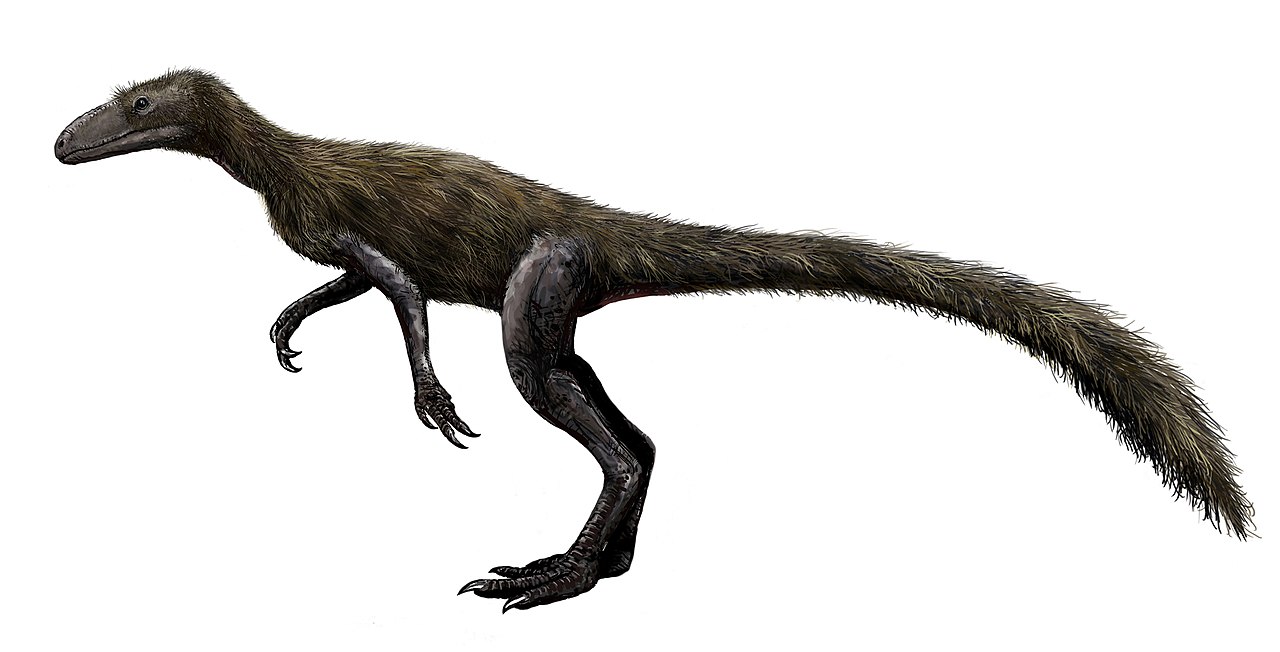
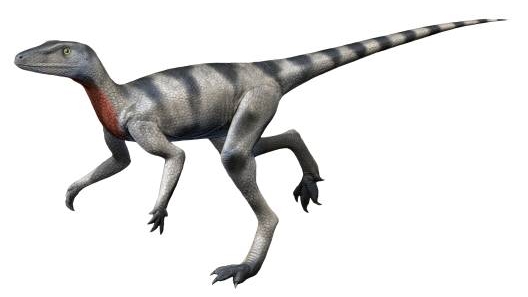
Saltopus (species Saltopus elginensis) is an enigmatic, small-bodied reptile from the Late Triassic. Known from a single, very incomplete specimen, it was lightly built and bipedal, about 60 cm in total length. Because so little material survives, paleontologists have difficulty placing it precisely in the reptile family tree.
Image gallery
7 Images



Characteristics
Surviving bones show a gracile skeleton with proportionally long hind limbs and short forelimbs, consistent with a fleet-footed, active predator. Estimates based on preserved elements suggest a body mass similar to a small mammal or rabbit, and an overall anatomy adapted for running and catching small prey.
- Estimated length: roughly 60 cm (about 2 feet).
- Build: light, slender limbs; likely bipedal locomotion.
- Diet: inferred carnivorous or insectivorous habits from body size and limb proportions.
Discovery and classification
The type specimen was described by Friedrich von Huene after its discovery in Scotland in 1910. The fossil comes from Late Triassic deposits; the discovery site is often cited in older literature in connection with Scottish Triassic localities. Because the material is so fragmentary, scientists have debated whether Saltopus was a true early dinosaur, a close relative within the dinosauriform grade, or another type of small archosaur. Modern studies highlight its importance for understanding early dinosaur evolution while emphasizing the uncertainty caused by the poor preservation.
Paleobiology and importance
Although direct ecological evidence is lacking, Saltopus's proportions suggest an agile predator feeding on insects and small vertebrates. Its small size and morphology make it a useful comparison point for better-known Triassic animals such as Marasuchus and Silesaurus when reconstructing the sequence of features that led to true dinosaurs. Each fragmentary taxon like Saltopus contributes to a broader picture of archosaur diversity in the Triassic.
Notable facts and research
Saltopus's fragmentary status means new discoveries could substantially change interpretations. For summaries of the Late Triassic context and related taxa see Late Triassic overview and for general reptile classifications consult reptile resources. Historical and locality details are discussed in regional studies of Scottish fossils (Scottish fossil localities).
Related articles
Author
AlegsaOnline.com Saltopus — small Late Triassic reptile (Saltopus elginensis) Leandro Alegsa
URL: https://en.alegsaonline.com/art/86563