
Saltwater crocodile (Crocodylus porosus)
An encyclopedic overview of the saltwater crocodile (Crocodylus porosus): appearance, distribution, behavior, evolution, human interactions, conservation, and distinguishing features.
Overview
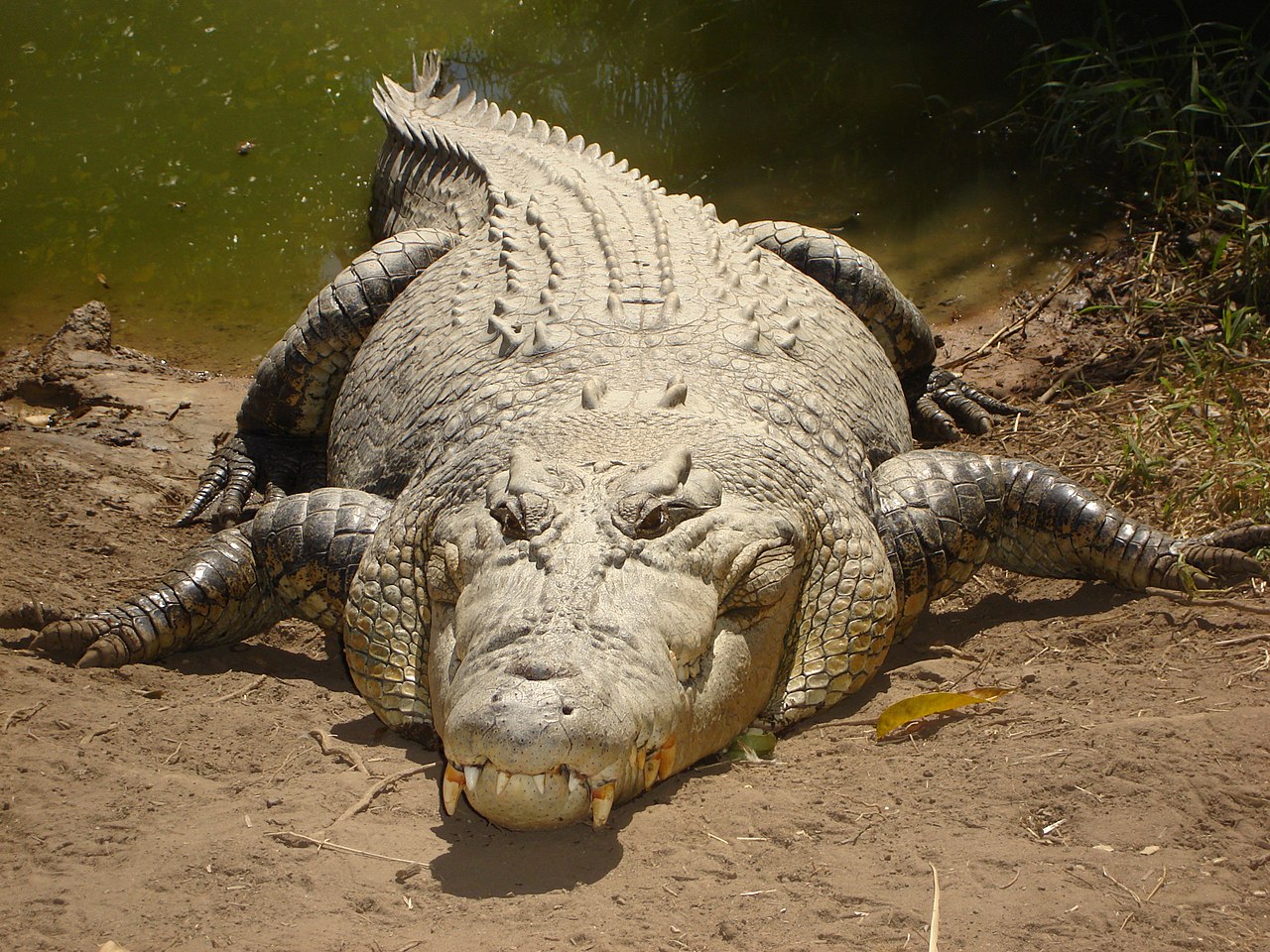
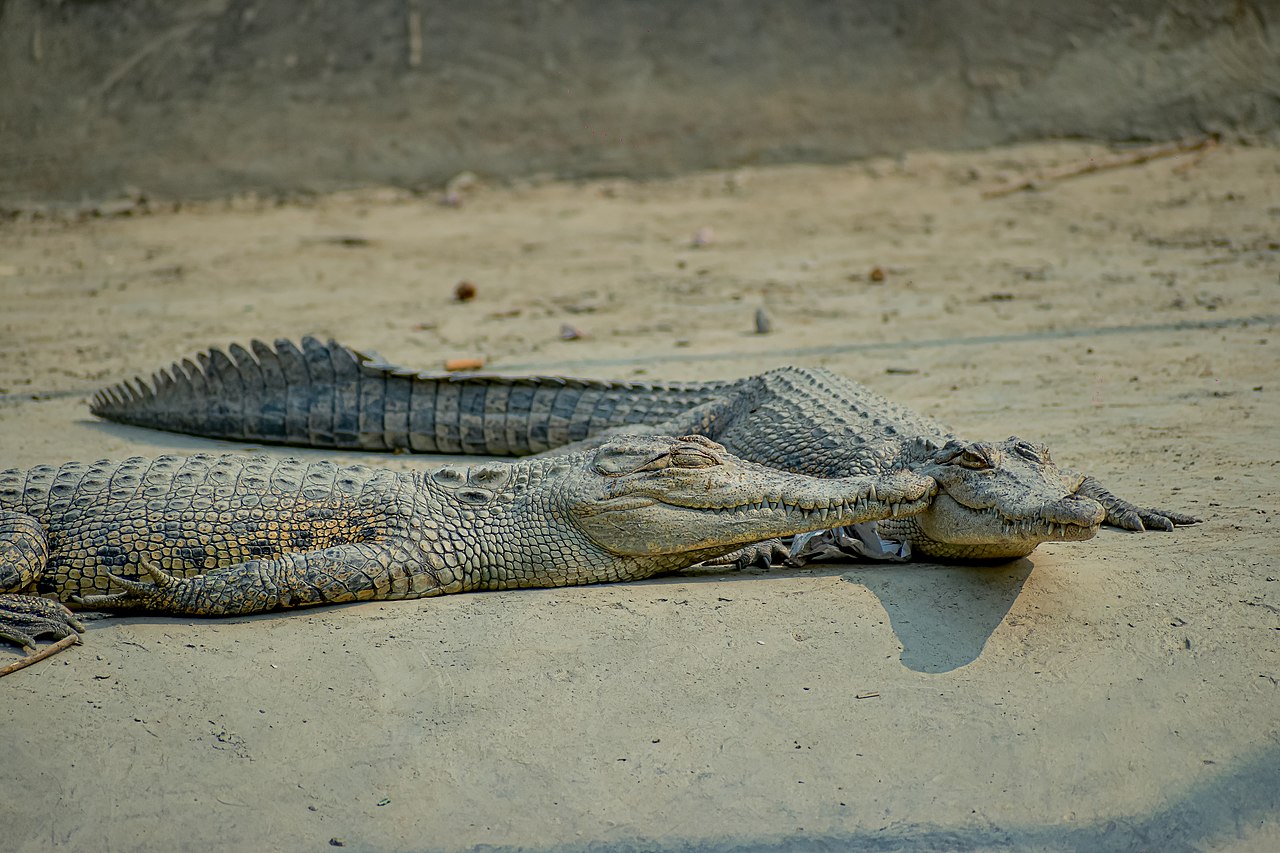
The saltwater crocodile (Crocodylus porosus), often called the "salties," is the largest living crocodilian and the biggest extant reptile. It occupies a broad coastal range across parts of South and Southeast Asia, northern Australia and adjacent islands. Saltwater crocodiles are fully amphibious: they use rivers, estuaries, swamps, coastal beaches and can travel long distances through open ocean currents to colonize new areas.
Image gallery
10 Images




Physical characteristics
These crocodiles are heavily built, with a muscular tail, tough scaly skin, and a powerful bite. Males are substantially larger than females, and large adult males may far exceed the size of females. The head is broad and the snout varies from moderately broad to wide, adapted for capturing a variety of prey. Their body is armored by osteoderms (bony plates) beneath the scales, and they have salt-excreting glands that help tolerate brackish and marine environments.
Habitat, diet and behaviour
Saltwater crocodiles occupy a range of coastal and inland habitats and may move between fresh and saltwater. They are opportunistic apex predators, feeding on fish, mammals, birds and any suitable animal that enters the water or comes within ambush range. Hunting strategies include still ambushes at water edges and short explosive bursts of speed. They are territorial, especially large males that defend stretches of river or estuary. Reproduction is seasonal: females build nests near water, lay clutches of eggs and guard them until hatchlings emerge. Juveniles remain vulnerable to many predators until they grow larger.
Evolution and fossil context
Crocodilians belong to an ancient lineage with fossil relatives dating back well over 100 million years and shared ancestry with other archosaurs. Modern saltwater crocodiles are the result of long evolutionary adaptation to coastal and riverine niches. The general crocodilian body plan has remained effective through deep time, combining aquatic stealth with powerful locomotion.
Human interactions and conservation
Saltwater crocodiles have a complex relationship with people. In some regions they are culturally significant and central to traditional knowledge; in others they are a source of conflict where attacks on livestock or people occur. Historically they were heavily hunted for skins and meat, and many populations declined. Conservation measures, regulated harvesting, protected areas and farming have helped some populations recover, while habitat loss, pollution and illegal hunting remain threats. Management often seeks a balance between human safety and species protection, using monitoring, exclusion structures and public education.
Identification and notable facts
Distinguishing features include large size, a broad snout relative to many other crocodile species, and behavioral tolerance for saline water. They are strong swimmers and capable of long-distance dispersal along coasts. Because of their size and power they hold an important ecological role as top predators, influencing prey communities and ecosystem structure.
Further links
- Species summary and status
- Size and weight information
- Comparative marine mammals
- Walrus and large amphibious species
- Fossil record and evolutionary context
- Northern Australia distribution and habitats
- New Guinea populations
- Southeast Asian range
- Coastal and estuarine habitats
- Swamp and freshwater systems
- Billabongs and inland waterbodies
Questions and answers
Q: What is the saltwater crocodile?
A: The saltwater crocodile is the largest living reptile and is amphibious, inhabiting sea water, rivers, and land.
Q: Where can saltwater crocodiles be found?
A: Saltwater crocodile, also known as 'Salties', can be found in Northern Australia, New Guinea, some parts of Southeast Asia, and the surrounding waters.
Q: What is the habitat of saltwater crocodiles?
A: Saltwater crocodiles live in habitats near the coast, such as rivers, swamps, billabongs, beaches, and sometimes the open sea.
Q: How big can a saltwater crocodile get?
A: Saltwater crocodiles can reach up to 6 meters (20 feet) in length.
Q: What is the weight of a bull elephant seal?
A: The bull elephant seal typically weighs 2700 kg (6000 lb).
Q: Are saltwater crocodiles an ancient form of life?
A: Yes, saltwater crocodiles are an ancient form of life, with fossils dating back to 200 million years ago.
Q: What is the rank of saltwater crocodile in terms of weight and amphibious animals?
A: In terms of weight, saltwater crocodiles are the third largest amphibious animals, after the bull elephant seal and the walrus.
Related articles
Author
AlegsaOnline.com Saltwater crocodile (Crocodylus porosus) Leandro Alegsa
URL: https://en.alegsaonline.com/art/86566
Sources
- species.wikimedia.org : Crocodylus porosus
- perthzoo.wa.gov.au : "Estuarine Crocodile"
- nature.org : "Saltwater Crocodile"
- australiazoo.com.au : "Saltwater Crocodiles"
- outback-crocodile-adventures.com : "Crocodile Attacks"