
Bamyan — historic city in central Afghanistan
Bamyan is the largest town of the Hazarajat in central Afghanistan, known for its archaeological valley, rock-carved Buddhas, Hazara culture, and role as the capital of Bamyan Province.
Overview
Bamyan (Persian: بامیان Bāmyān) is the administrative capital city of Bamyan Province in central Afghanistan. Located in a high valley of the Hazarajat plateau, the town serves as the region's largest population centre. It is situated roughly 240 kilometres northwest of Kabul and is home to a population in the tens of thousands.
Image gallery
10 Images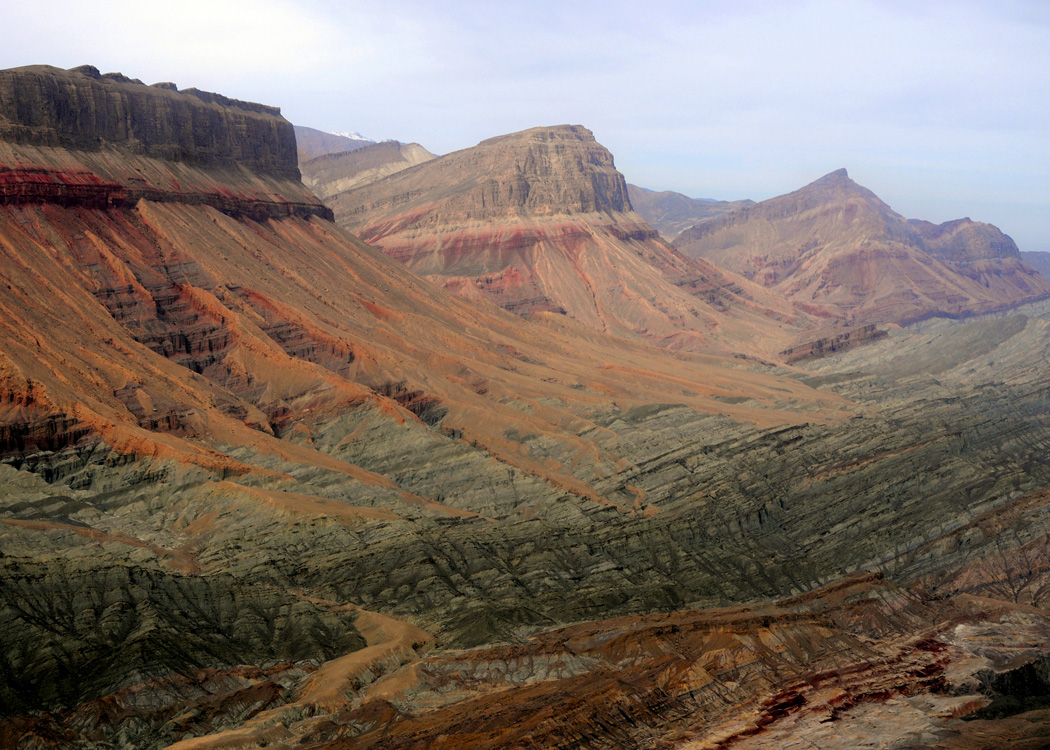




Geography and environment
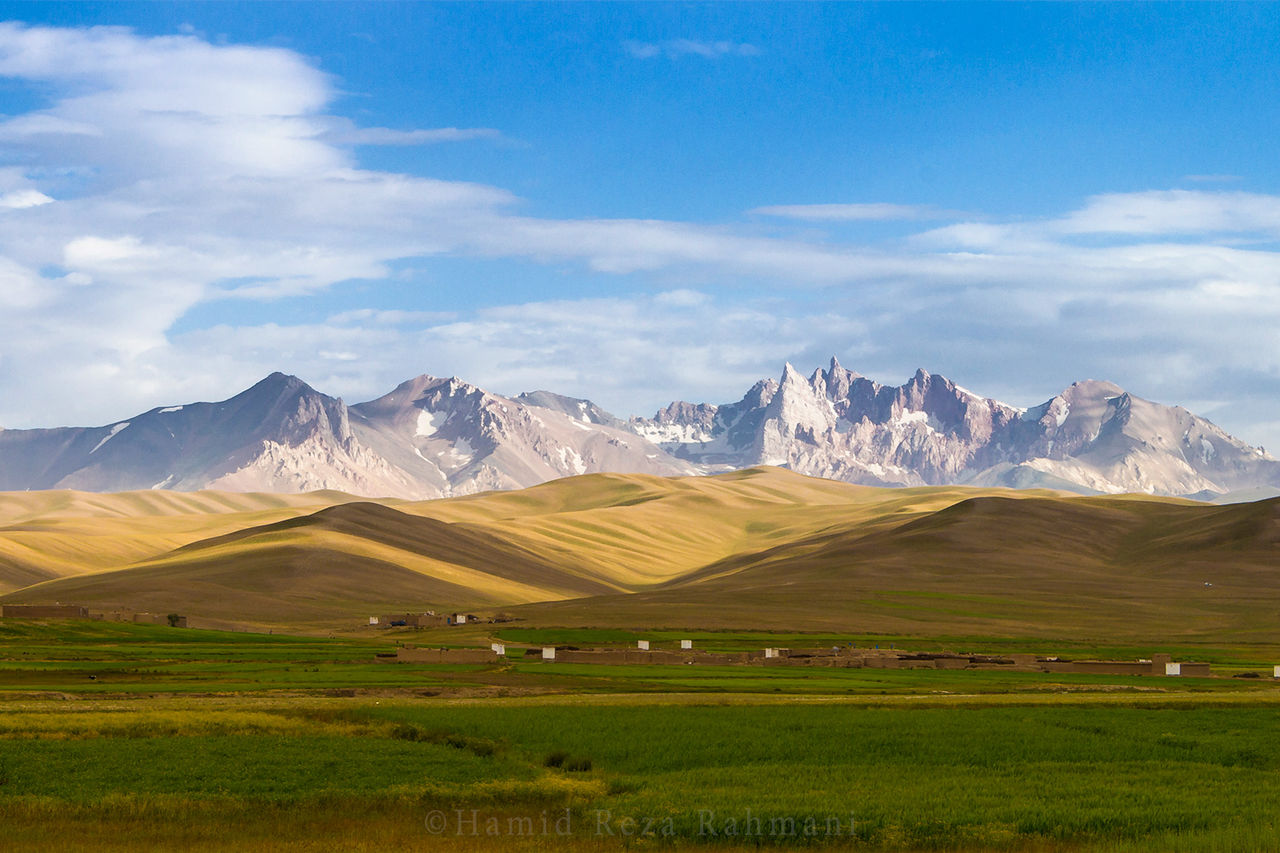
Bamyan sits in an elevated valley framed by rugged mountains. The surrounding landscape includes terraced fields, dry riverbeds and a patchwork of small villages. The climate is continental, with warm summers and long, cold winters; seasonal variations and altitude shape local agriculture and settlement patterns.
History and archaeology
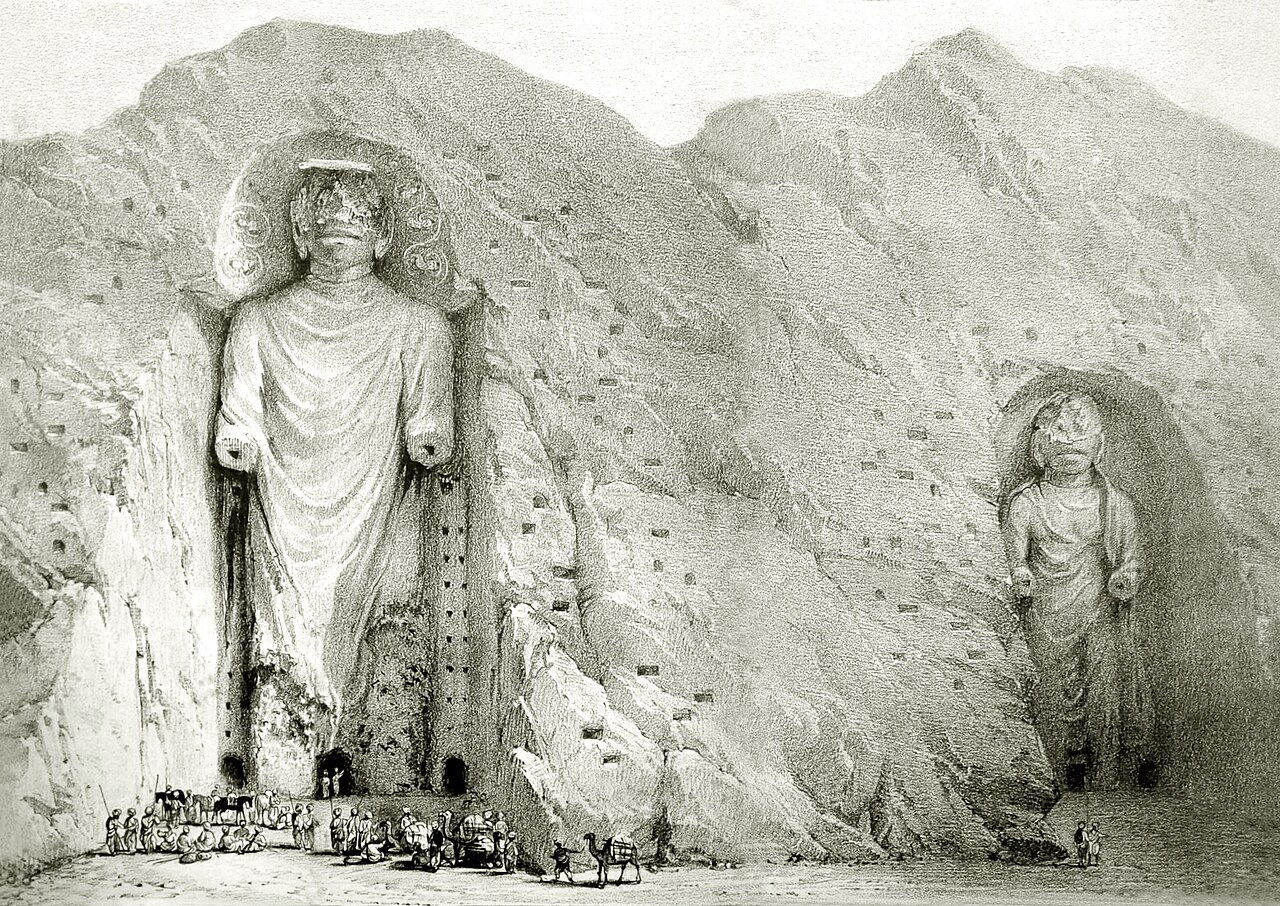
The Bamyan valley has been an important cultural crossroads for centuries. It contains extensive archaeological remains, cave complexes and monumental rock-cut sculptures made during the region's Buddhist period. The most famous monuments were the giant standing Buddhas carved into sandstone cliffs, historically attributed to the early medieval period. Those statues and many related murals and caves drew scholars and visitors for decades, and their destruction in 2001 drew international attention to Bamyan's cultural heritage. Since then, conservation, documentation and limited restoration projects have been undertaken with international support; the valley is recognised for its outstanding historic and archaeological value.
People, culture and economy
Bamyan is the cultural heart of the Hazarajat, a region with a large Hazara population who speak Dari and local Hazaragi dialects. Traditional livelihoods include agriculture, animal husbandry and artisanal crafts such as carpet weaving, pottery and metalwork. Cultural life combines local tribal customs, Islamic observances and a history of multi-religious influences visible in the archaeological record.
Contemporary significance and challenges
The city and its surroundings are important for tourism, historical research and regional administration. Development efforts have aimed to expand infrastructure, promote sustainable tourism and support conservation of archaeological sites. Ongoing challenges include limited local resources, the need for continued preservation work and broader security and economic constraints that affect the pace of reconstruction and investment.
Notable facts
- Largest town of the Hazarajat highlands and the provincial capital of Bamyan Province.
- Home to major archaeological sites, including cave systems and former monumental Buddhas.
- Recognised internationally for its cultural landscape and subject of conservation projects.
- Accessible from the national capital, Kabul, by road and regional transport links.
Bamyan remains a place where ancient history, local culture and contemporary development intersect. Its valleys and ruins continue to attract scholars, travellers and those invested in preserving a complex and layered heritage.
Related articles
Author
AlegsaOnline.com Bamyan — historic city in central Afghanistan Leandro Alegsa
URL: https://en.alegsaonline.com/art/8646
Sources
- whc.unesco.org : Unesco
- news.bbc.co.uk : BBC · webcitation.org
- memory.loc.gov : Library of Congress country study