
Bancigny (Aisne)
Bancigny is a tiny rural commune in the Aisne department of the former Picardie region in northern France. It had about 30 inhabitants in 2012 and exemplifies small-village life and regional history.
Overview
Bancigny is a very small rural commune located in the historical Picardie area, within the Aisne department. Administratively it is one of the many communes that make up the French local government structure and lies in the north of the country northern France. In 2012 the recorded population numbered about thirty inhabitants, reflecting its character as a tiny village rather than an urban centre.
Image gallery
7 Images


Geography and administration
Bancigny is typical of small communes in the region: largely agricultural land, scattered houses, and limited local services. It is governed under the standard French municipal system and is associated with departmental institutions and intercommunal arrangements; relevant records and administrative references appear under the Aisne department entries.
History
The settlement history of villages like Bancigny generally stretches back many centuries, tied to medieval patterns of agriculture and local seigneurial organization. While Bancigny itself is modest in size, its development mirrors regional changes such as the consolidation of farms, rural depopulation, and administrative reforms that have shaped Picardie and the modern Hauts-de-France area.
Economy, landmarks and community life
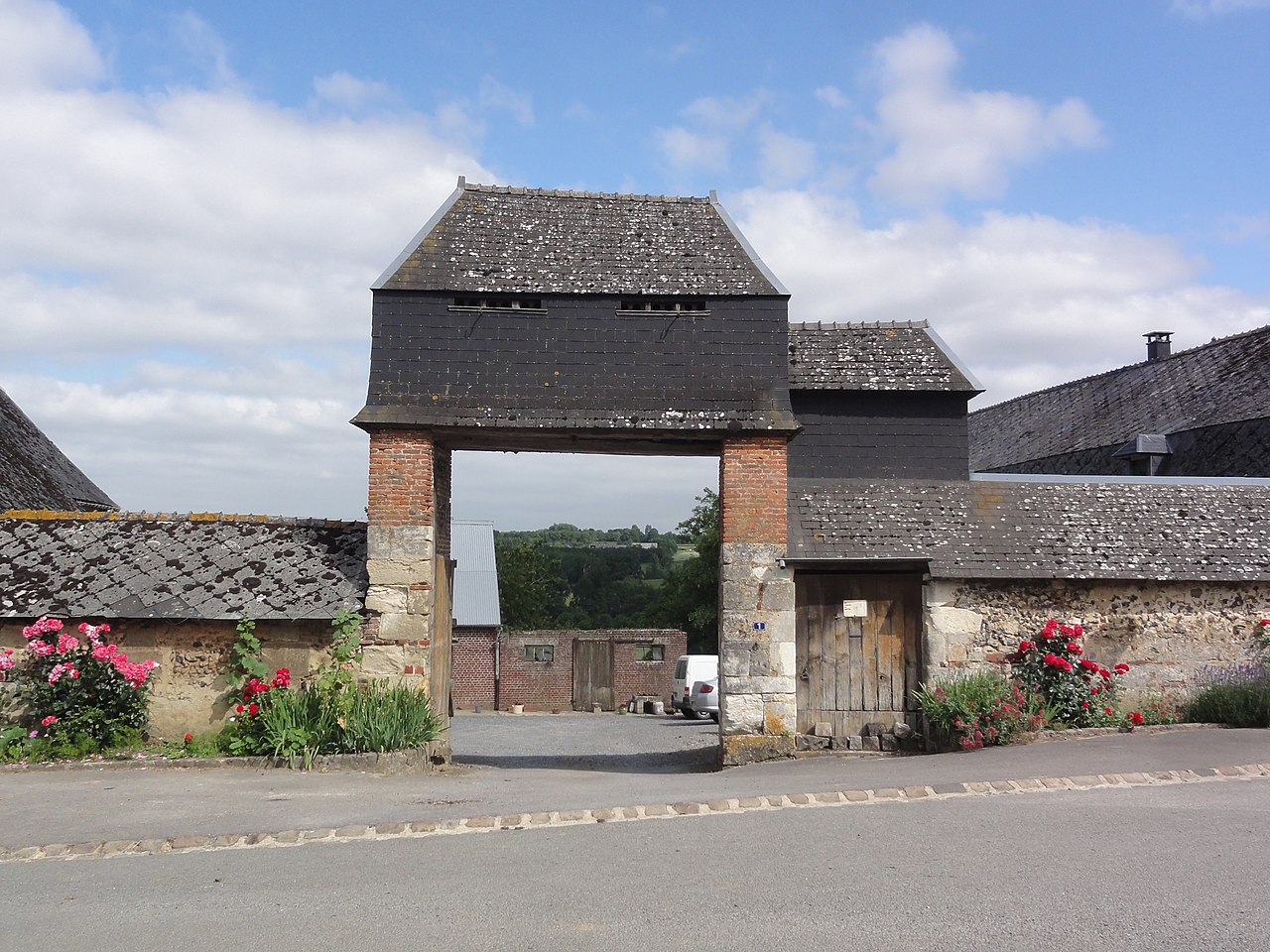
The local economy is dominated by small-scale farming and activities associated with the surrounding countryside. Buildings and landmarks commonly found in similar communes include a parish church, farmhouses, and communal facilities; these elements form the social and cultural core of village life. Community events, local governance meetings and agricultural work mark the rhythm of daily life.
Significance and contemporary issues
Bancigny is notable mainly as an example of France's numerous small rural communes. Such places are important for understanding demographic trends like aging populations and rural exodus, and they illustrate challenges in maintaining services, heritage and local identity. For further administrative or statistical details consult departmental sources and regional guides.
Related articles
Author
AlegsaOnline.com Bancigny (Aisne) Leandro Alegsa
URL: https://en.alegsaonline.com/art/8664