
Banda Aceh — capital of Aceh province, Indonesia
Banda Aceh is the provincial capital at the northern tip of Sumatra, known for its history as an Indonesian port city, the 2004 tsunami, and the 2005 peace agreement ending decades of conflict.
Banda Aceh is the provincial capital of Aceh, located at the northern tip of the island of Sumatra in Indonesia. The city serves as the administrative, economic and cultural center of the province and sits on the western edge of the Strait of Malacca and the Andaman Sea. Its coastal position has long shaped trade, local livelihoods and strategic importance.
Image gallery
10 Images


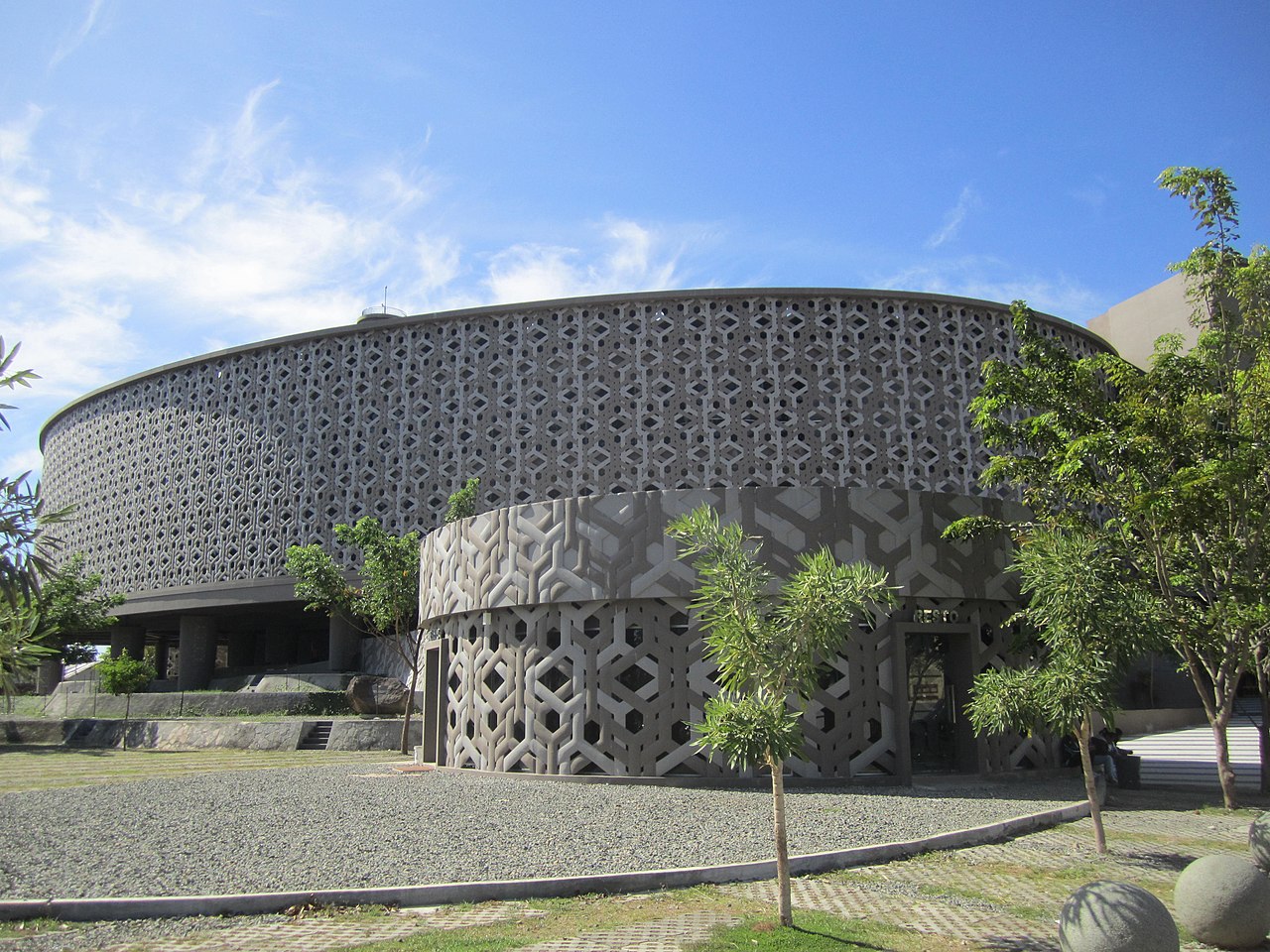
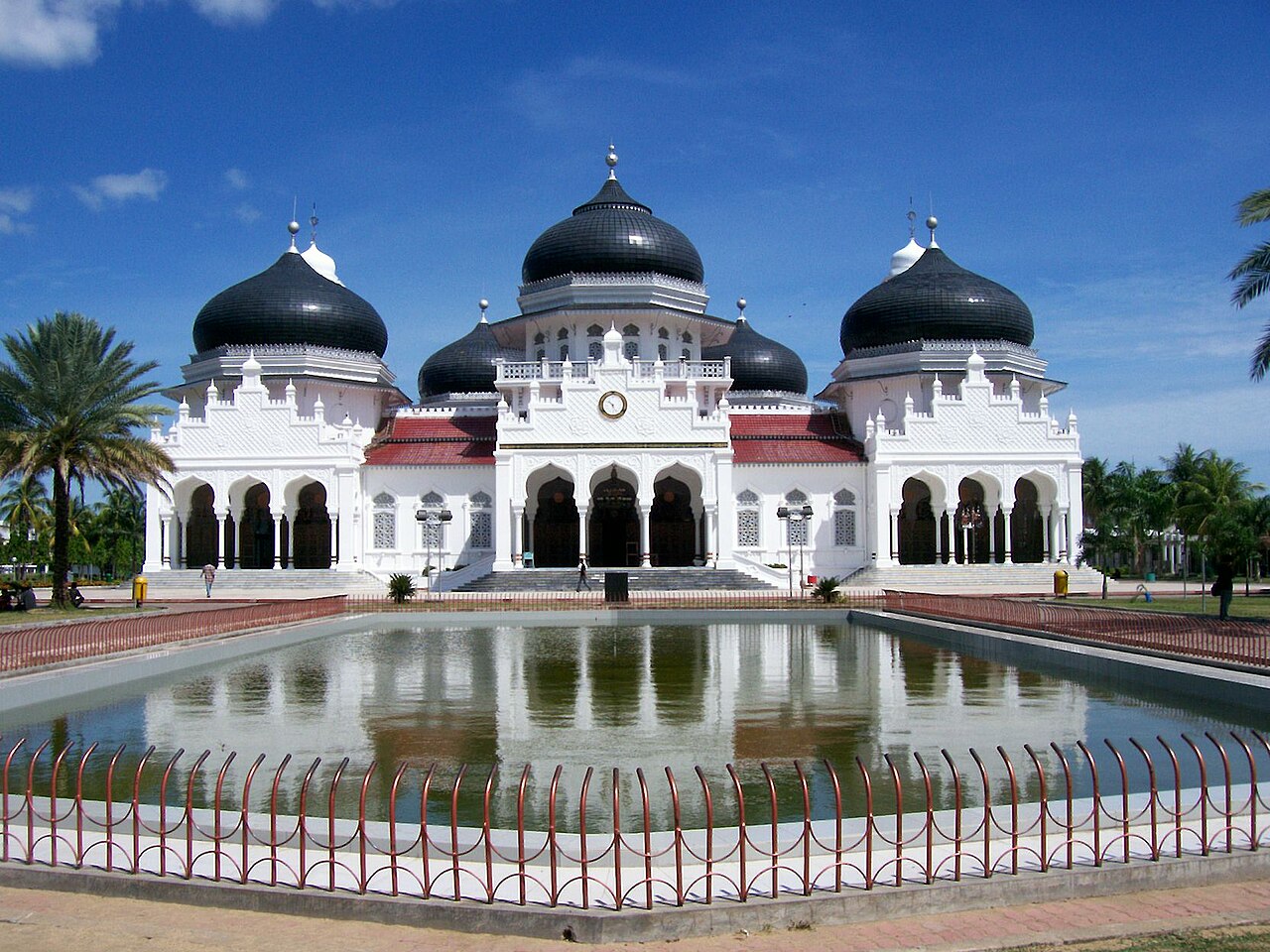

Geography and urban character
Banda Aceh is a coastal city with a tropical monsoon climate. The urban area combines historic neighborhoods, government buildings, mosques and a working port. Traditional livelihoods — fishing, small-scale agriculture and market trade — coexist with modern services, education institutions and NGOs involved in reconstruction and development.
History and development
The area that became Banda Aceh has a long history as part of the Aceh Sultanate, a trading polity influential from the 16th century onward. It later came under Dutch colonial rule and experienced the major political shifts of 20th-century Indonesia, including Japanese occupation during World War II and the national independence movement.
2004 tsunami and recovery
On 26 December 2004 the city and surrounding region were devastated by the Indian Ocean tsunami triggered by a massive earthquake off Sumatra. The disaster caused catastrophic loss of life and damage to infrastructure; large-scale international aid and reconstruction followed. Over the subsequent years Banda Aceh was extensively rebuilt, with repaired roads, schools and waterfronts and efforts to restore livelihoods and housing.
Conflict and peace process
Banda Aceh was affected by a long-running insurgency involving the Free Aceh Movement (GAM) and the Indonesian security forces. A negotiated settlement in August 2005 brought a cessation of large-scale hostilities. The agreement led to the withdrawal of non-local military elements, the decommissioning of armed groups and measures for political and economic autonomy under a special status for the province.
Governance, society and culture
Aceh enjoys special autonomy within Indonesia, which has allowed local implementation of Islamic law alongside national law in certain areas. Banda Aceh is noted for its conservative religious life, prominent mosques, and annual cultural events. Education and civil society organizations are active in post-tsunami reconstruction and in ongoing social development.
Economy and significance
- Economy: fishing, trade, public administration and services.
- Infrastructure: a rebuilt port area, schools and healthcare facilities supported by international and national programs.
- Importance: a regional hub for governance, humanitarian coordination and cultural heritage in northern Sumatra.
Banda Aceh today is a city shaped by maritime trade, religious traditions and the experience of natural disaster and reconciliation. Its recovery and the 2005 peace process remain central to the province's contemporary identity and development trajectory.
Questions and answers
Q: Where is Banda Aceh located?
A: Banda Aceh is located in Sumatra, Indonesia.
Q: What happened in Banda Aceh on 26 December 2004?
A: Around 150,000 people were killed in the Tsunami that hit Banda Aceh on 26 December 2004.
Q: What was the conflict that took place in Banda Aceh?
A: The conflict in Banda Aceh was between the Acehnese independence movement (GAM) and the Indonesian army (TNI).
Q: Has the conflict in Banda Aceh been resolved?
A: Yes, the conflict in Banda Aceh has been solved for the time being by the peace agreement on 15 August 2005.
Q: Has the peace process in Banda Aceh been smooth?
A: Yes, the peace process in Banda Aceh has been smooth since the peace agreement on 15 August 2005.
Q: Have there been any other major events in Banda Aceh besides the Tsunami and conflict?
A: The text does not mention any other major events in Banda Aceh.
Q: What is the population of Banda Aceh?
A: The text does not provide the current population of Banda Aceh.
Related articles
Author
AlegsaOnline.com Banda Aceh — capital of Aceh province, Indonesia Leandro Alegsa
URL: https://en.alegsaonline.com/art/8677
Sources
- sp2010.bps.go.id : sp2010.bps.go.id/index.php/site/tabel?tid=321&wid=8100000000