
Samael — Archangel, Accuser, and Angel of Death
Samael is a complex figure in Jewish, Christian, and esoteric traditions: an archangel sometimes identified with Satan, a prosecuting angel and destroyer, often associated with the Angel of Death and with demonic lore.
Overview
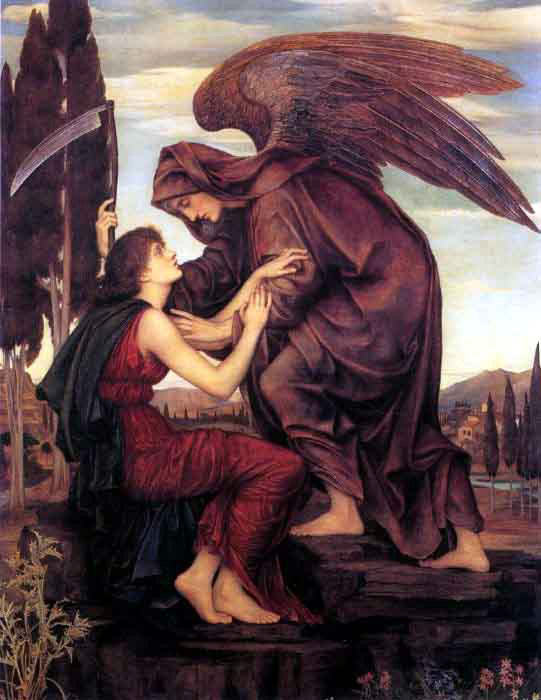
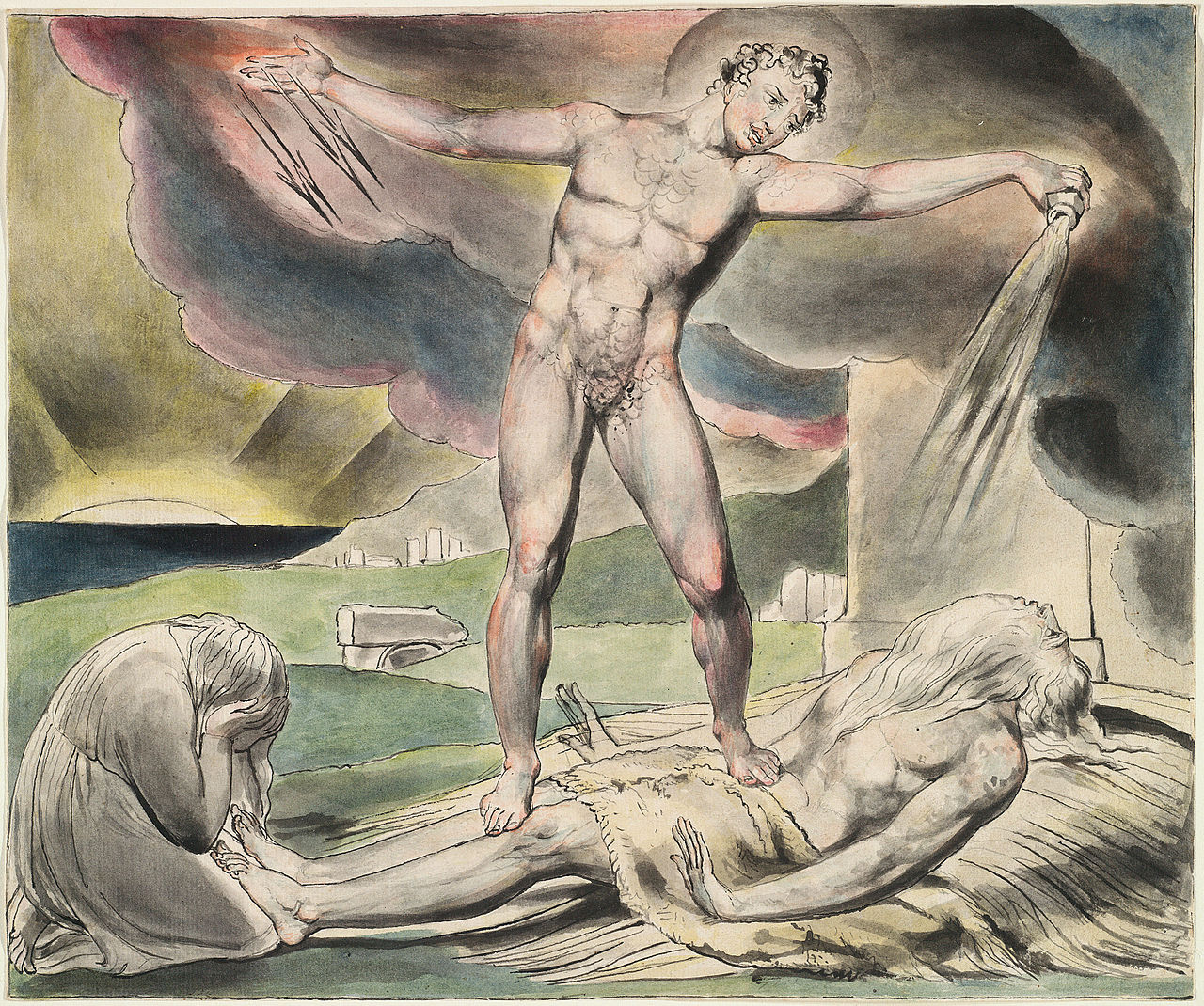
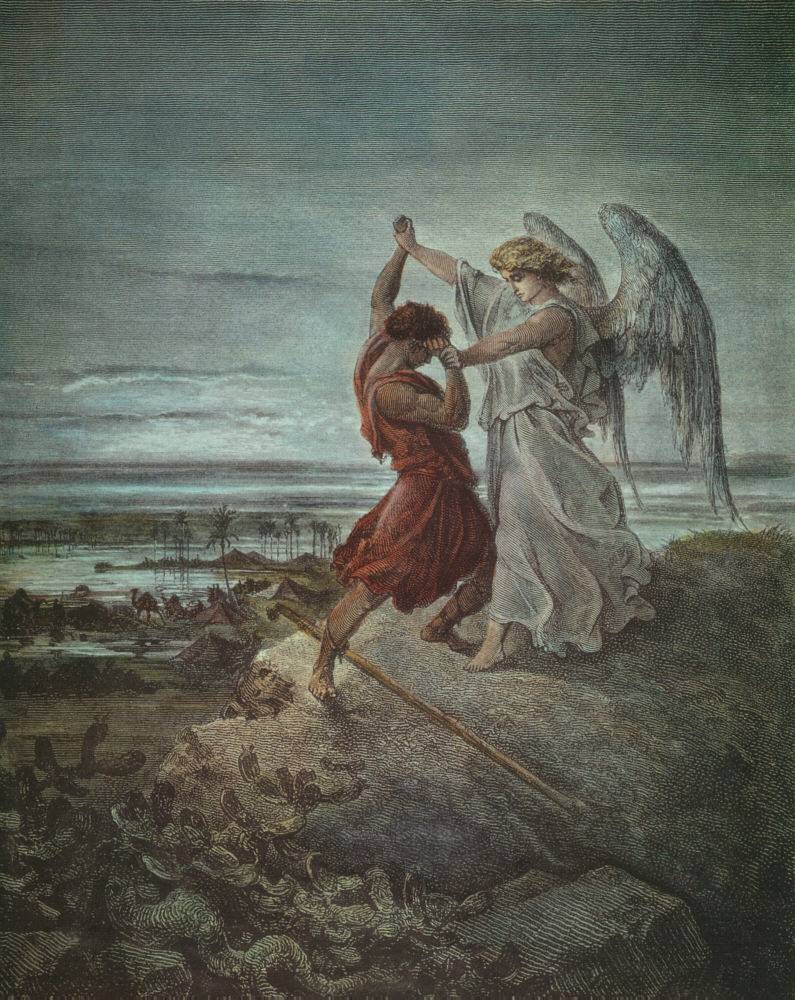
Samael (Hebrew: סמאל) appears across a range of religious and mystical writings as a morally ambiguous celestial being. In rabbinic, midrashic and later Kabbalistic sources he is variously an accuser, a seducer, the Angel of Death, and in some accounts the adversary whose duties bring destruction and punishment. Christian medieval demonology and later occult traditions often inherited or reinterpreted these motifs, portraying Samael as a fallen or demonic figure.
Image gallery
6 Images

Names and etymology
The name Samael is commonly rendered in English as Samael, Sammael or Şamil. Scholars and traditional interpreters derive the name from Hebrew roots and commonly translate it as "venom of God," "poison of God," or relate it to severity and adversarial functions. The precise nuance varies among commentators and traditions; some emphasize the hostile sense implicit in the name, others stress that even destructive acts are carried out under divine commission.
Roles and characteristics
Accounts differ, but several recurring roles and traits are associated with Samael:
- Accuser and prosecutor: a heavenly figure who acts as an accuser against humans in court-like motifs.
- Angel of Death: invoked in traditions that assign him duties over death and execution of divine judgment.
- Seducer or tempter: in some stories he is implicated in the temptation of humans, sometimes linked with demonic feminine figures such as Lilith.
- Military or destructive force: portrayed as a power that brings calamity or tests the righteous.
Jewish sources and development
In Talmudic and post-Talmudic literature Samael appears in diverse roles rather than a single consistent biography. Midrashic narratives may present him as the guardian angel of Esau or as associated with foreign imperial powers like Rome. Kabbalistic writings, including passages in the Zohar and later mystical commentaries, elaborate a more systematic pairing of Samael with Lilith and describe him as ruling or dwelling in specific heavenly spheres; some texts place him in higher heavens even while labeling him the chief of hostile angels. These layers reflect evolving theological efforts to explain evil, divine justice, and metaphysical opposition without denying divine sovereignty.
Christian, demonological, and esoteric reception
Medieval Christian scholars and occult writers often absorbed Jewish motifs and reinterpreted Samael within a demonic taxonomy, at times equating him with Satan or ranking him among infernal princes. Renaissance magical texts and later grimoires sometimes list Samael among demons with specific attributes. Modern occult and popular culture references continue to draw on these associations, treating Samael as a symbol of judicial severity, death, or rebellion against divine order.
Notable themes and distinctions
Two important distinctions recur in scholarship and tradition. First, Samael's destructive functions are frequently described as carrying out divine will rather than acting wholly independently — a nuance that preserves a monotheistic framework in which even adversarial forces operate under God. Second, portrayals range from an ambivalent heavenly official to an outright fallen angel; the same name may carry different moral valences across genres and eras. For further reading on textual references and interpretations see Jewish, rabbinic and mystical studies, as well as comparative works in demonology Hebrew sources, Talmudic passages, Christian reception, and demonological catalogues.
Examples and cultural presence
Samael appears in literary, musical and visual arts from medieval allegory to modern fantasy and film, often as a shorthand for a morally complex antagonist. Academic treatments typically distinguish primary textual witnesses from later myth-making and popular adaptations; for cross-disciplinary perspectives consult studies of Jewish mysticism, medieval theology, and modern esotericism midrash, Kabbalah, comparative demonology, and summaries in contemporary reference works encyclopedic entries. For textual editions and translations see specialist bibliographies textual guides and annotated commentaries scholarly introductions.
Questions and answers
Q: Who is Samael?
A: Samael is an archangel in Talmudic and post-Talmudic beliefs and stories, as well as Christian tradition and demonology. He is often considered a fallen angel, like Satan and the chief of the evil spirits.
Q: In what religions are there stories of Samael?
A: There are stories of Samael in Talmudic, post-Talmudic, Christian, and other religions.
Q: What role does Samael have in Jewish beliefs?
A: In Jewish beliefs, one of Samael's roles is that of the Angel of Death.
Q: Is Samael a good or bad angel?
A: Although he has grim and destructive duties associated with him, he is still considered to be one of the Lord's servants so he can be seen as both good and bad depending on perspective.
Q: Where does Samael live according to Jewish beliefs?
A: According to Jewish beliefs, Samael lives in the seventh heaven although he is said to be the chief angel of the fifth heaven.
Tags
Related articles
Author
AlegsaOnline.com Samael — Archangel, Accuser, and Angel of Death Leandro Alegsa
URL: https://en.alegsaonline.com/art/86629