
Matthew C. Perry (1794–1858)
U.S. Navy commodore who promoted steam propulsion, reformed naval education, and led the 1853–54 expedition that opened Japan with the Convention of Kanagawa.
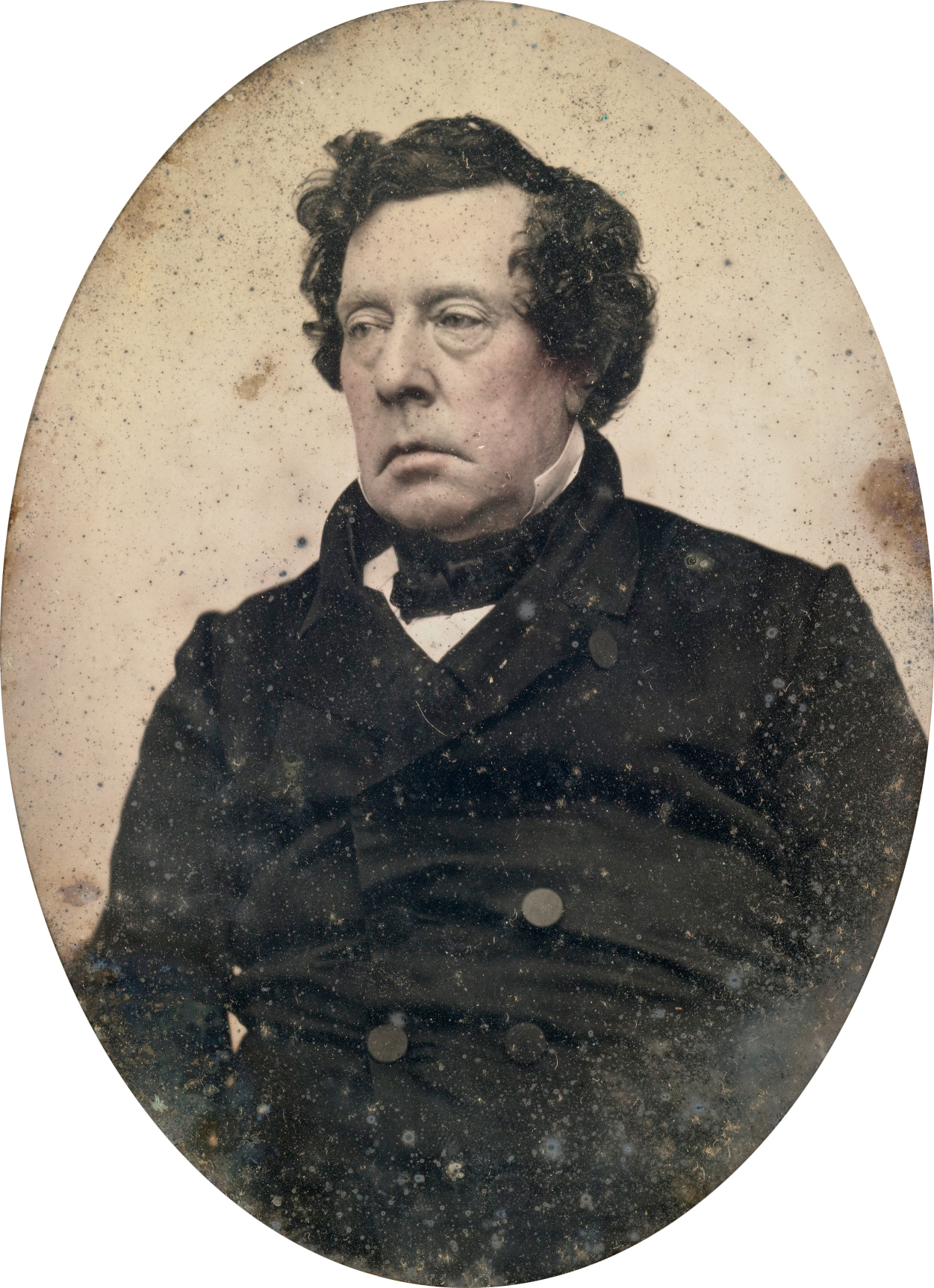
Matthew Calbraith Perry was a senior officer of the United States Navy whose long career combined operational command, institutional reform, and advocacy for new technologies. Born in Newport, Rhode Island, in 1794, he served during an era when sail gave way to steam and when the United States expanded its diplomatic and commercial reach. Perry is best known for leading an American naval squadron to Tokugawa Japan in 1853–1854 and securing the Convention of Kanagawa, which opened limited ports and initiated formal relations between Japan and the United States (Convention of Kanagawa).
Image gallery
10 Images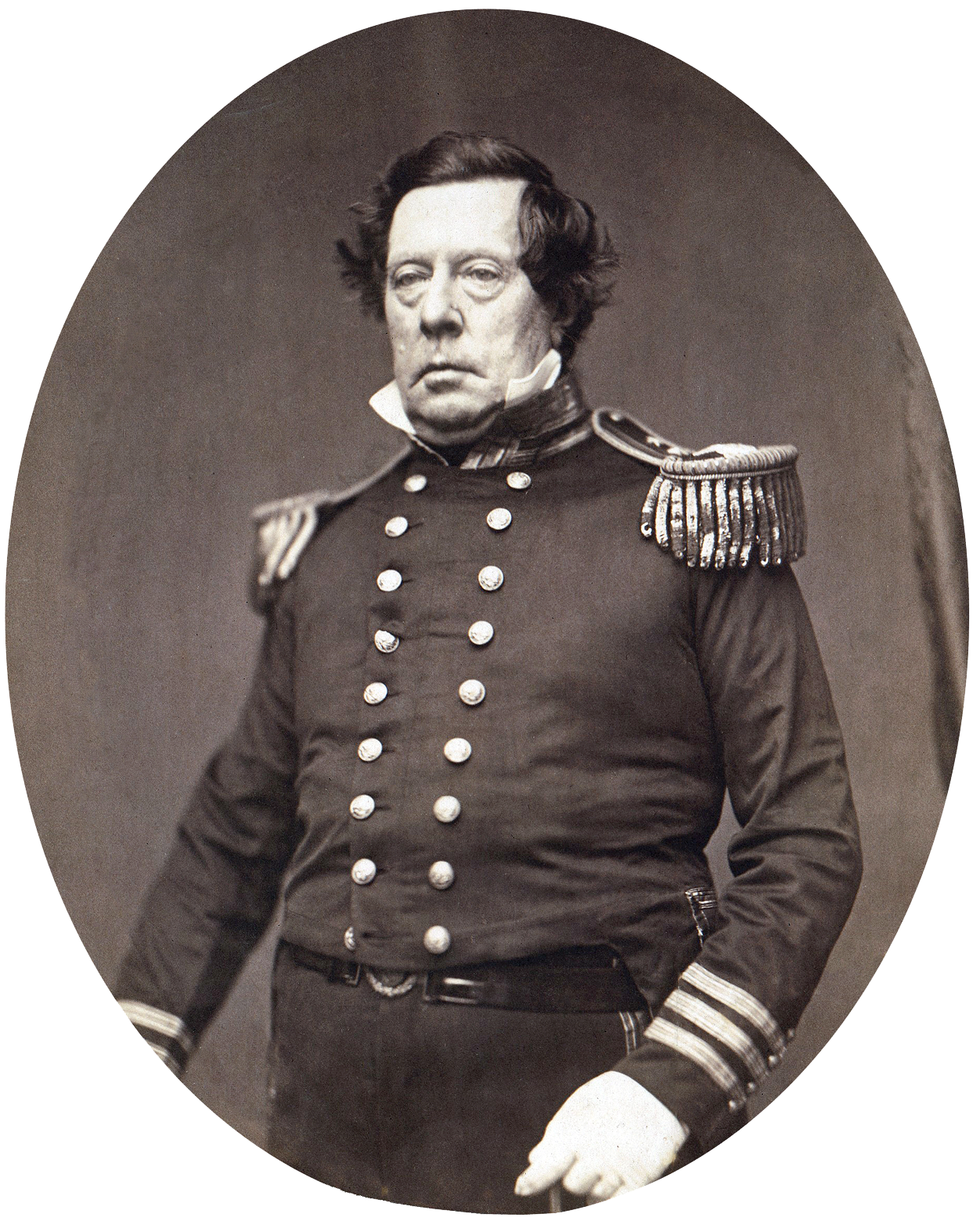


Early life and naval beginnings
Perry came from a seafaring family and entered naval service as a young man. His elder brother, Oliver Hazard Perry, was also a noted naval officer. Throughout his career Matthew Perry held a series of commands and staff positions; he saw active service in conflicts of the era including actions associated with the War of 1812 and later operations during the period of American expansion. He remained unmarried and had no children, and he cultivated a reputation for rigorous planning and attention to detail.
Advocate of steam and professional reform
During the 1840s and 1850s Perry became one of the most prominent American advocates for adopting steam propulsion and modernizing naval practice. The arrival of the steam engine transformed naval strategy and logistics, and Perry argued for changes in ship design, training, and shore facilities to make the fleet more effective. He played a role in efforts to improve officer education and professional standards that helped shape institutions such as the United States Naval Academy and the broader culture of naval instruction.
The expedition to Japan
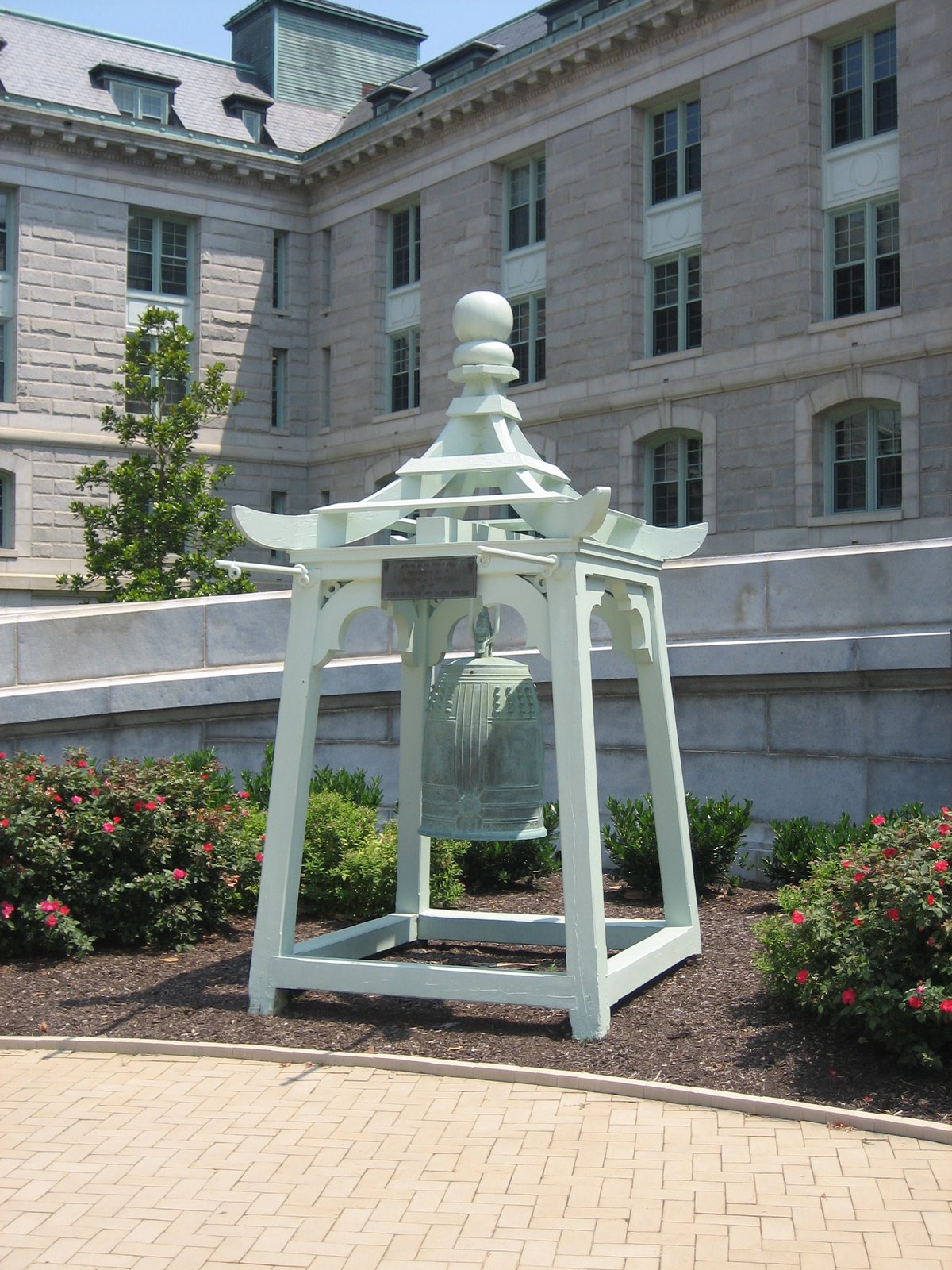
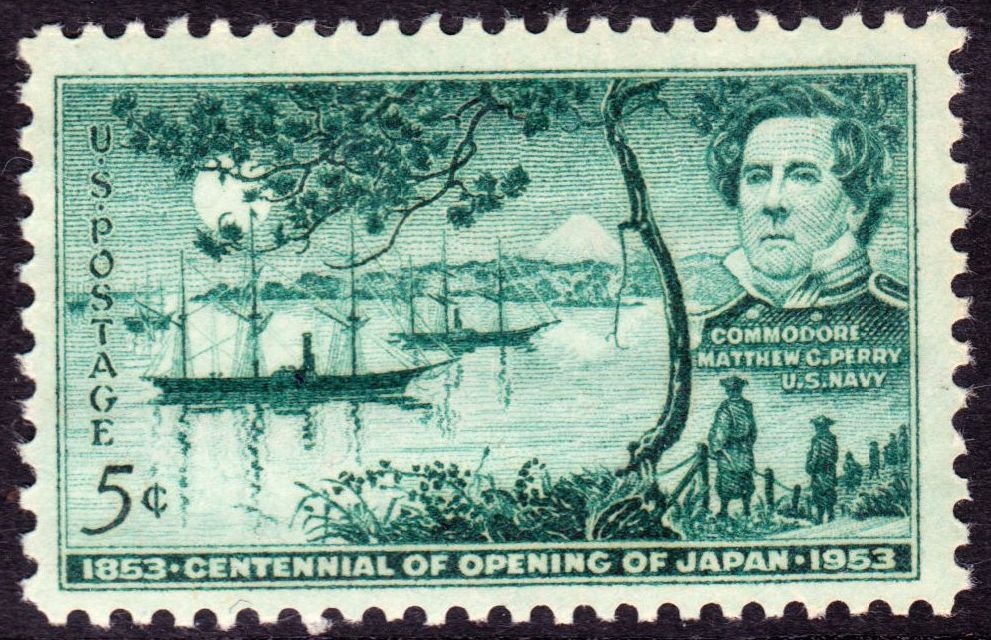
Perry's expedition to Japan is often remembered both for its dramatic diplomacy and for the forceful display of naval power that accompanied it. Arriving with a squadron of modern warships in 1853, he presented Japanese authorities with requests to open ports for provisioning and to arrange humane treatment for shipwrecked sailors. Japanese observers described the Western flotilla with a term that translates as "Black Ships," reflecting the impression created by the steam-powered vessels and their black smoke. Through a sequence of negotiations and a second visit the following year, Perry secured terms that ended aspects of Japan's long isolation and permitted limited access for American vessels.
Later years and death
Perry continued to serve in the navy after the Japan mission, remaining engaged in technical and administrative matters. He died in 1858 in New York City, New York, and was buried in his native Newport. Contemporary accounts and later histories recognize him both for his energy in pushing technological and institutional change and for the controversial nature of coercive diplomacy in which military presence was used to obtain commercial and political concessions.
Legacy and historical assessment
Perry is remembered for several overlapping contributions: promoting the modernization of naval forces, encouraging systematic officer education, and executing a diplomatic mission that had major consequences for Japan and for American engagement in the Pacific. His proponents credit him with practical reforms that anticipated a more professional and technologically capable navy. Critics and modern scholars emphasize the unequal power dynamics of mid-19th-century diplomacy and note how the opening of Japan helped to precipitate rapid and often disruptive change within Japanese society. In U.S. naval history Perry is often called a key figure in the transition to steam and in the projection of seapower to advance national interests.
- Birth: Newport, Rhode Island; brother of Oliver Hazard Perry.
- Service: active in early 19th-century conflicts and in peacetime reforms.
- Technology: advocate for steam propulsion and fleet modernization.
- Diplomacy: commanded the expedition that resulted in the Convention of Kanagawa, opening Japan.
- Education: influenced professional training and the development of the U.S. Naval Academy and officer instruction.
- Death: 1858, in New York City, New York.
Perry's life illustrates the interplay of technology, institutions, and diplomacy in a formative period for the U.S. Navy. His actions had immediate strategic and commercial aims and longer-term effects on international relations and on the modernization of both Western and Japanese maritime practice.
Related articles
Author
AlegsaOnline.com Matthew C. Perry (1794–1858) Leandro Alegsa
URL: https://en.alegsaonline.com/art/62888
Sources
- findagrave.com : "Matthew Calbraith Perry (1794-1858) - Find a Grave Memorial"