
Saint Martin — Franco–Dutch island in the Caribbean
Saint Martin is a small Caribbean island divided between France and the Netherlands, noted for its dual administration, tourism economy, multicultural society and the historic Treaty of Concordia.
Overview
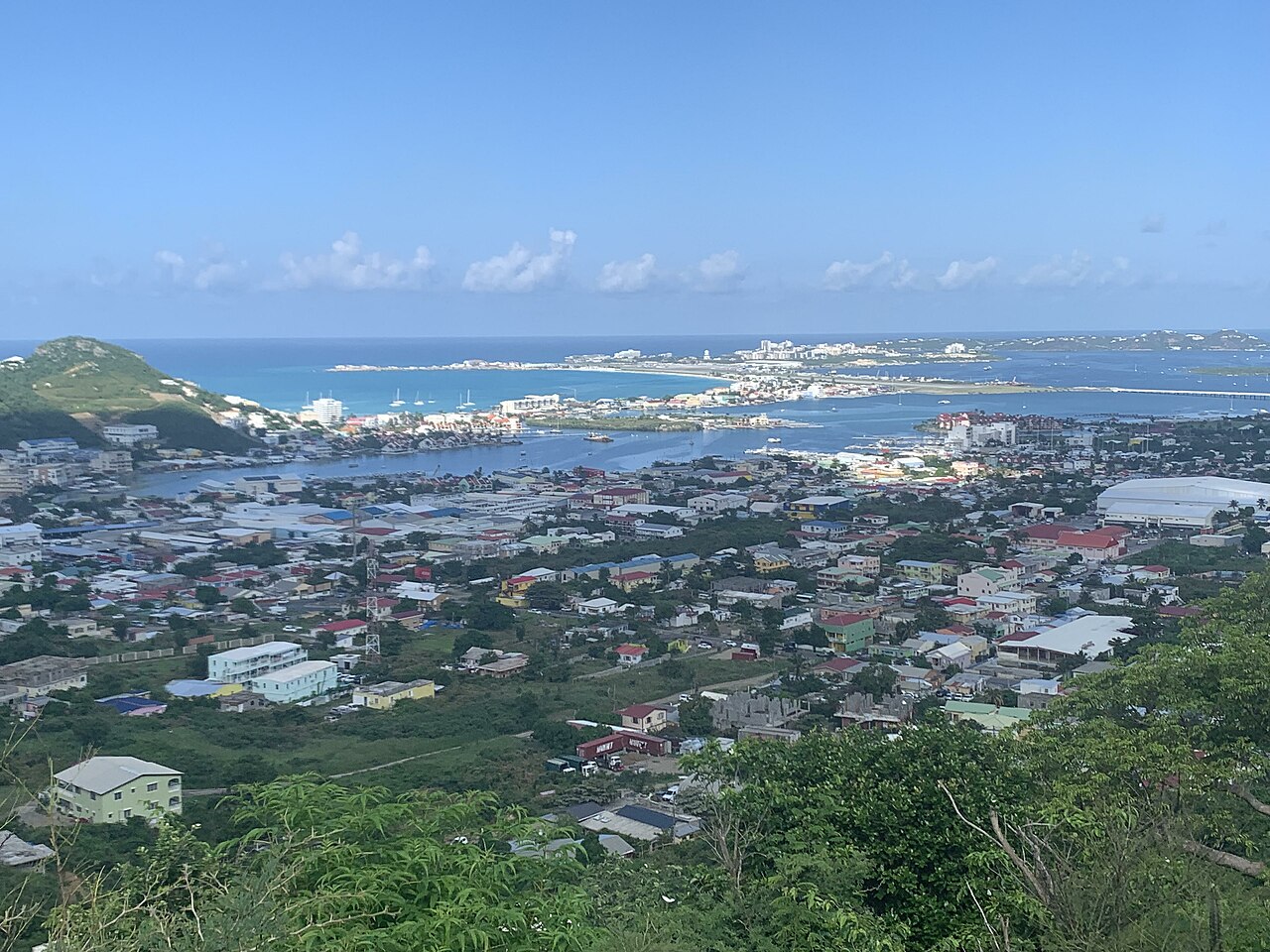
Saint Martin is a small, densely populated island in the northeastern Caribbean, located roughly 300 km southeast of Puerto Rico. With a land area of about 87 km², it is distinctive for being divided between two states. The island’s population is about 60,000, and its economy is dominated by tourism, retail and services that cater to international visitors.
Image gallery
10 Images




Territory and administration
The island is split roughly in half. The southern portion, commonly called Sint Maarten, is a constituent country within the Kingdom of the Netherlands. Sint Maarten was formerly part of the Netherlands Antilles until that entity’s dissolution in 2010. The northern sector is the Collectivity of Saint-Martin, an overseas collectivity of France. Administrative arrangements differ on each side: the Dutch kingdom handles defence and foreign affairs for Sint Maarten, while the French side is administered under French institutions and law.
History and boundary
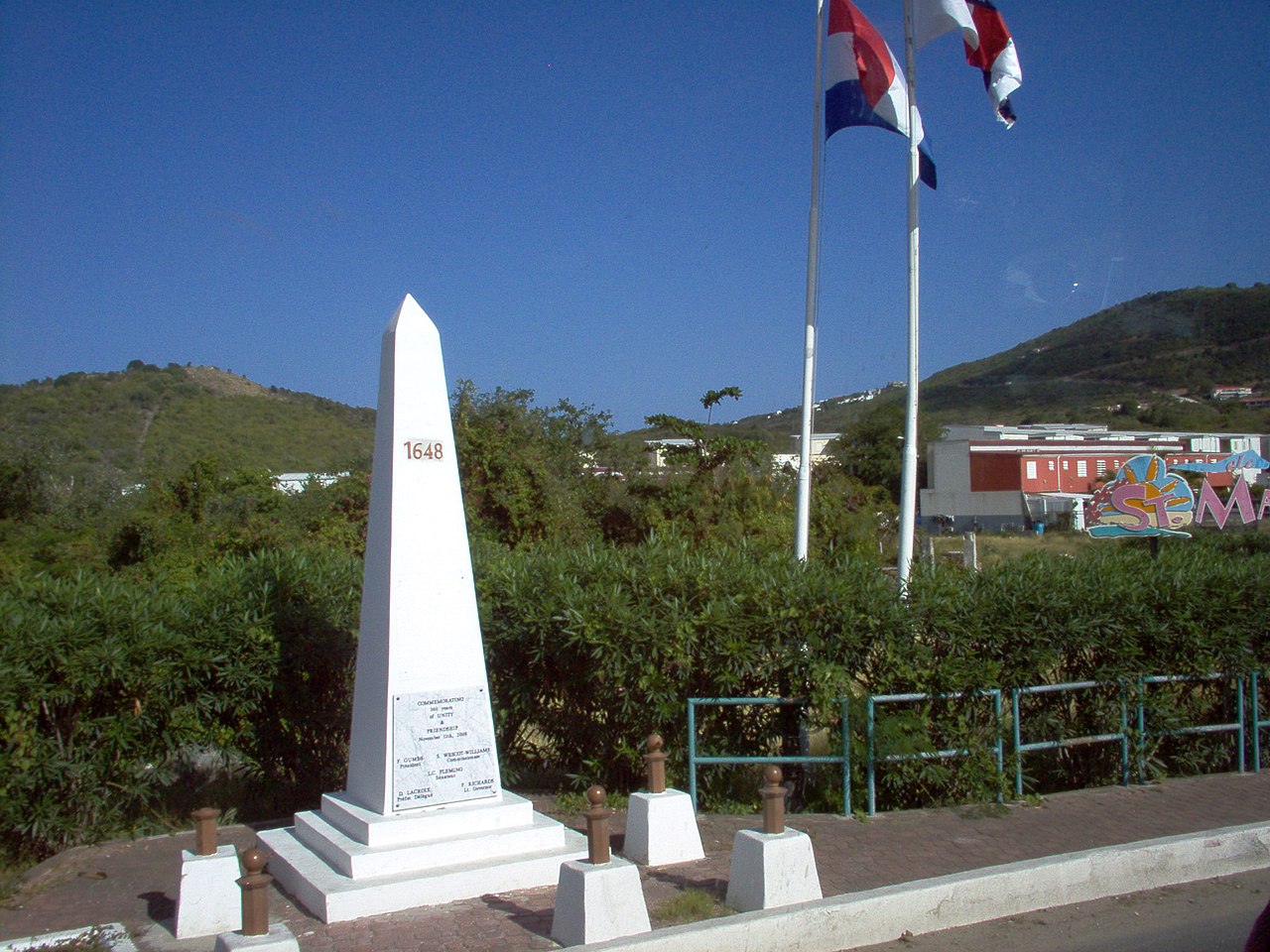
European settlement and rivalry in the Caribbean led to the island’s partition in the colonial era. The division is traditionally traced to the Treaty of Concordia of the 17th century (commonly dated to 1648), a local agreement between French and Dutch settlers that established the shared boundary. Over centuries the two sides evolved separate administrations while maintaining extensive everyday contact and cross-border economic ties.
Geography and environment
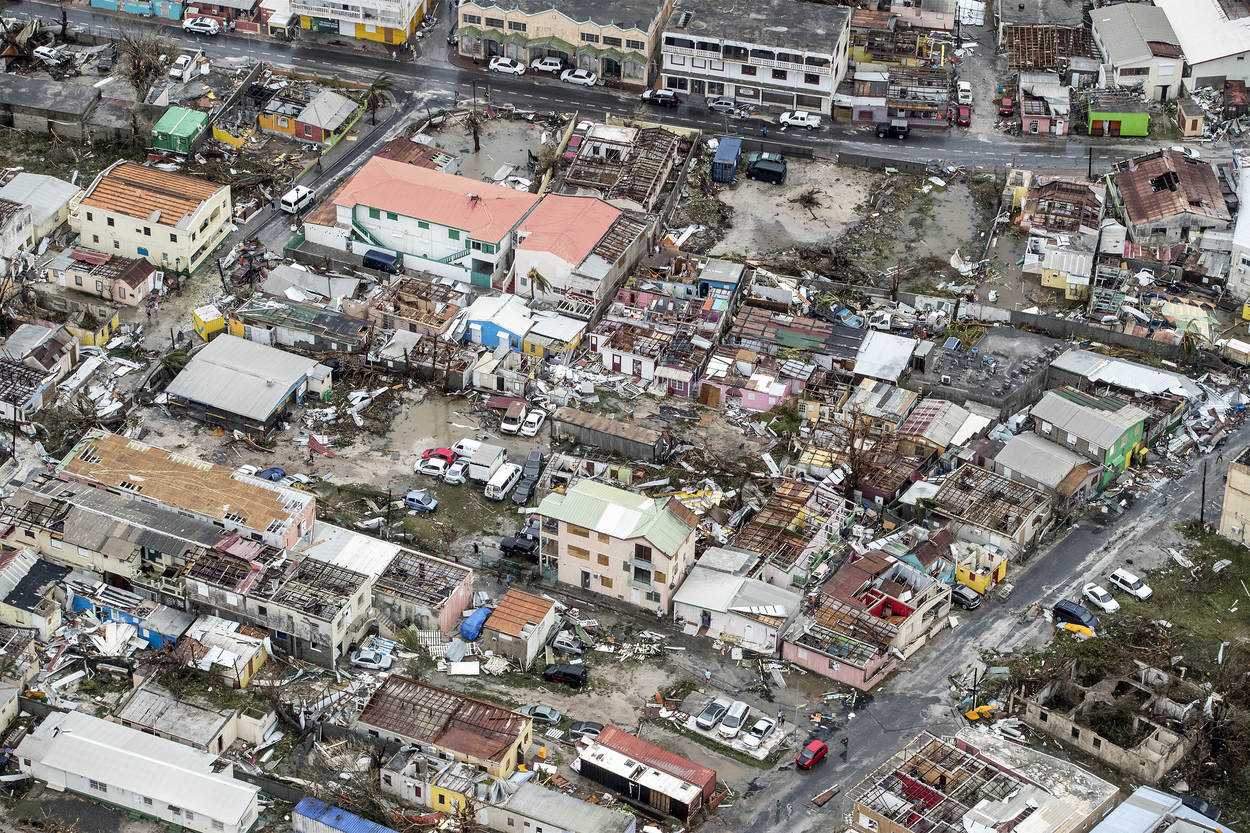
Saint Martin’s terrain is hilly with a coastline of beaches, coves and reefs that support a variety of coastal ecosystems. Coral reefs, seagrass beds and coastal wetlands are important for fisheries and tourism. The island has a tropical maritime climate with a wet season and a hurricane season; it suffered severe damage from Hurricane Irma in 2017, an event that highlighted vulnerabilities in infrastructure and coastal habitats.
Economy and transport
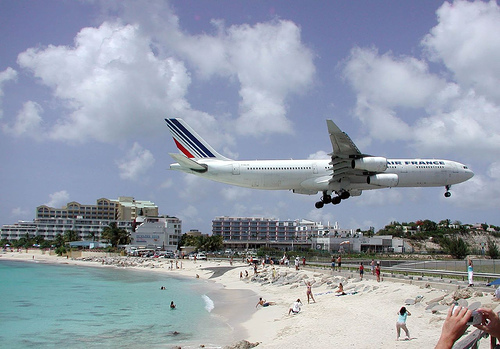
Tourism is the primary economic driver. Beaches, diving and duty-free shopping attract cruise passengers and air travellers; the Dutch side hosts Princess Juliana International Airport, known for its low-altitude approaches over a public beach. The French side’s main town is Marigot, while the Dutch capital is Philipsburg. Currency usage differs: the French side uses the euro, and the Dutch side traditionally uses the Netherlands Antillean guilder, with the US dollar widely accepted in both sectors. Ferry and boat connections serve nearby islands and regional markets.
Culture, language and society
Saint Martin is culturally diverse. French and Dutch are official on their respective sides, while English is widely used as a lingua franca in business and daily life; Spanish and local creole languages are also common. Culinary traditions, music and festivals reflect African, European and Caribbean influences. Education, health services and social programs follow distinct systems on each side, yet many residents cross the internal border for work, education and shopping.
Governance and cross-border cooperation
Although two different legal systems operate on the island, cross-border cooperation is essential for everyday life. Local authorities coordinate on issues such as emergency response, customs and public health. Relations with metropolitan France and the wider European Union differ from the ties the island maintains with the Netherlands and other parts of the Caribbean, shaping trade, travel and regulatory arrangements.
Travel, risks and research interest
Visitors come for beaches, watersports and the contrast between two administrative and cultural zones in a compact area. The island is a case study for scholars of colonial history, comparative governance and tourism economics. It also illustrates coastal resilience challenges: hurricane risk, coastal erosion and the need to balance development with habitat protection are ongoing policy priorities.
Further information
- For general island information see Saint Martin overview.
- Regional geography and context are available through Caribbean resources and guides.
- Historical and legal background for the French side is provided by France-based official sources.
- Constitutional and constitutional relations for the Dutch side are described in materials from the Netherlands and the Kingdom of the Netherlands.
- Broader Kingdom and former colonial arrangements can be explored via references to the Netherlands Antilles.
- Practical travel and administrative details can be found through local portals and town pages such as Marigot and government sites.
- For international relations and economic ties consult summaries on European Union relations and regional cooperation pages.
- Further reading and official contacts for crown or state matters are available from the Kingdom and relevant local authorities.
Related articles
Author
AlegsaOnline.com Saint Martin — Franco–Dutch island in the Caribbean Leandro Alegsa
URL: https://en.alegsaonline.com/art/85951