
Netherlands Antilles — geography, history, and constitutional change
Former constituent country within the Kingdom of the Netherlands in the Caribbean; its composition, history, dissolution in 2010, and the status of the successor islands.
Overview
The Netherlands Antilles was a constituent country within the Kingdom of the Netherlands that comprised a group of islands in the Caribbean Sea. Historically a Dutch-administered territory, it brought together several distinct islands under a single political structure until a series of constitutional changes altered their status toward the end of the 20th and start of the 21st century. The association combined shared legal ties with local autonomy for the islands' own governments.
Image gallery
10 Images


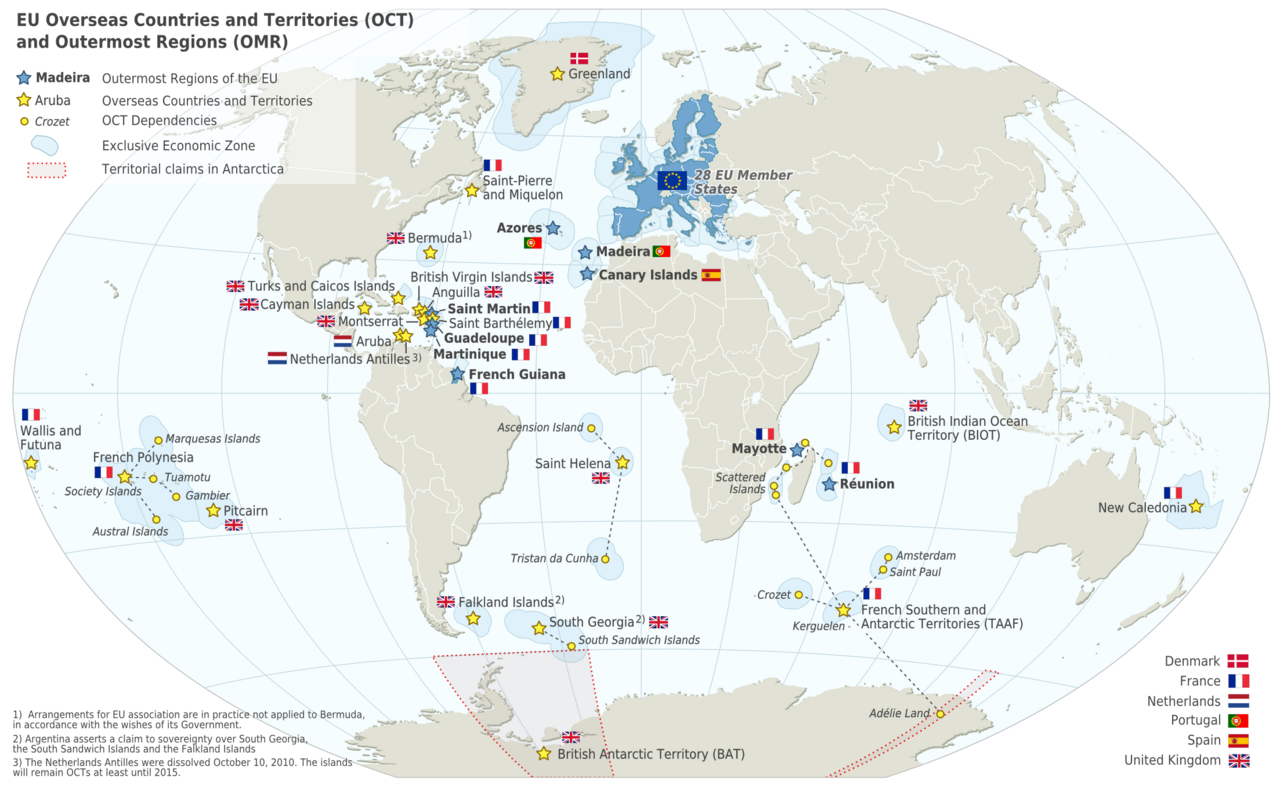


Geography and composition
The country originally consisted of a group of six islands located in two different island groups: some belonged to the southern Antilles off the coast of South America, while others sit farther north in the eastern Caribbean. European explorers made early contact with the islands; some were visited by Christopher Columbus and other navigators in the late 15th century.
- Aruba — an island with its own distinct identity and later constitutional path.
- Bonaire, Curaçao — larger Dutch-speaking islands with different economic profiles.
- Saint Martin (the island divided between France and the Netherlands), Sint Eustatius, and Saba — the northeastern group that is geographically closer to islands such as Puerto Rico and the Virgin Islands.
Geographically, Aruba, Bonaire and Curaçao are often associated with the Leeward Islands in local usage and lie near the coast of Venezuela, while Sint Eustatius and Saba are usually grouped with the Windward Islands in the northeastern Caribbean.
History and constitutional development
European arrival in the late 15th century set the stage for colonial settlement and trade. Over the centuries the islands came under Dutch control and were administered in varying forms. Aruba chose a separate status in 1986, leaving the remaining five islands as the Netherlands Antilles. Subsequent negotiations and differing local preferences led to further changes: on 10 October 2010 the Netherlands Antilles as a country was dissolved and the constituent islands received new constitutional arrangements.
Post-dissolution status and governance
After 2010 the islands followed distinct paths. Curaçao and the Dutch portion of Sint Maarten became separate countries within the Kingdom, enjoying internal autonomy while remaining part of the kingdom’s constitutional framework. The three smaller islands—Bonaire, Sint Eustatius and Saba—became special municipalities of the Netherlands, often referred to collectively as the BES islands or the Dutch Caribbean islands.
Because the islands were part of the Kingdom, they shared the same monarch: historically that included Queen Beatrix, and today the head of state is King Willem-Alexander. Local administration was handled by island governments and representatives; the office of the Governor represented the kingdom on each autonomous island. The last Prime Minister of the Netherlands Antilles before dissolution was Emily de Jongh-Elhage, and Frits Goedgedrag served as the final Governor, later becoming the first Governor of Curaçao.
Legacy and notable distinctions
The dissolution reshaped legal, fiscal and administrative arrangements for the islands and affected citizenship, travel, and public services. The shared colonial history, multilingual populations (Dutch, Papiamentu, English and others), and the islands' tropical tourism economies continue to link them culturally and economically. The division of the island of Saint Martin remains a widely noted example of a territory split between two sovereign states, with the southern part administered by the Netherlands and the northern part by France.
Questions and answers
Q: What islands were part of the Netherlands Antilles?
A: The Netherlands Antilles was originally a group of six islands in the Caribbean Sea. These included Aruba, Bonaire, Curaçao, Saint Martin, Sint Eustatius and Saba.
Q: When did Aruba leave the Netherlands Antilles?
A: Aruba left the Netherlands Antilles in 1986.
Q: Who was the last Prime Minister of the Netherlands Antilles?
A: The last Prime Minister of the Netherlands Antilles was Emily de Jongh-Elhage.
Q: Who is King Willem-Alexander today?
A: King Willem-Alexander is still today monarch over all these places including Aruba, Curaçao and Sint Maarten which are now separate countries within the Kingdom.
Q: What are the BES Islands now called?
A: The remaining BES Islands of Bonaire, Sint Eustatius and Saba now belong to the Netherlands and are called Dutch Caribbean islands.
Q: Who discovered some of these islands first?
A: Some of these islands were discovered in 1493 by Christopher Columbus, and some were discovered in 1499 by Alonso de Ojeda.
Q: Where are they located geographically?
A:Aruba, Bonaire and Curaçao are part of the Leeward Islands near Venezuela while Saint Martin, Sint Eustatius and Saba are part of Windward Islands near Puerto Rico and Virgin Islands.
Related articles
Author
AlegsaOnline.com Netherlands Antilles — geography, history, and constitutional change Leandro Alegsa
URL: https://en.alegsaonline.com/art/69261