
Ballista: ancient torsion artillery and its role in siege warfare
A detailed overview of the ballista: design, operation, historical development from Greek origins to Roman use, tactical roles, and distinctions from other ancient siege engines.
Overview
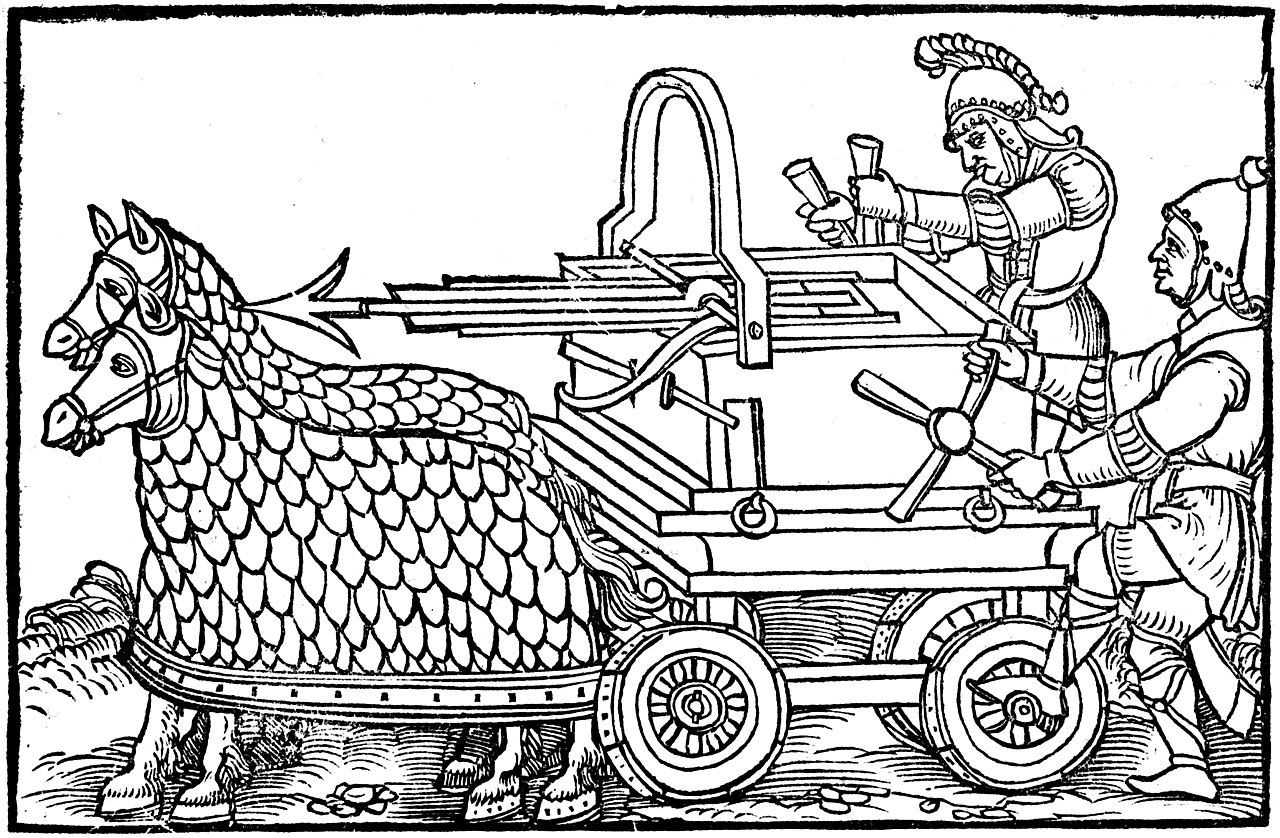
The ballista was an early form of artillery used in the ancient Mediterranean and beyond. Resembling an oversized crossbow, it launched long, narrow projectiles—typically large bolts or darts—by storing mechanical energy and releasing it to hurl missiles at distant targets. The term appears in classical sources and the plural is often written as ballistae. As one member of the broader family of artillery, the ballista is frequently grouped with other ancient engines such as the catapults, though it had distinct construction and tactical uses.
Image gallery
10 Images




Design and main components
Unlike stone-throwing engines, the ballista was optimized for firing elongated, aerodynamic projectiles. Its core features include a rigid wooden frame, two projecting arms, a projectile trough or slider, a draw mechanism, and a power source based on torsion springs. Torsion bundles—made from twisted sinew, hair, or rope—were placed in frames called skeins; the arms were inserted into these skeins so that twisting tension provided the stored energy. The front of the frame supported the arms and the projectile guide, while the rear included a winch or windlass and a catch or trigger for controlled release.
Operation and ammunition
- Wind the winch or operate the windlass to draw the string or slider back and load the arms under tension.
- Place a bolt, dart, or other narrow missile into the trough and align the aim using elevation and traverse adjustments.
- Release the catch to let the torsion bundles unwind rapidly, projecting the missile toward the target.
Ballistae fired metal-tipped bolts or large arrows for penetrating personnel, wooden shields, or siege works. Smaller variants shot scaled-up arrows and darts and could be reloaded and fired relatively quickly, making them effective against troops and for suppressing defenders on walls.
History and development
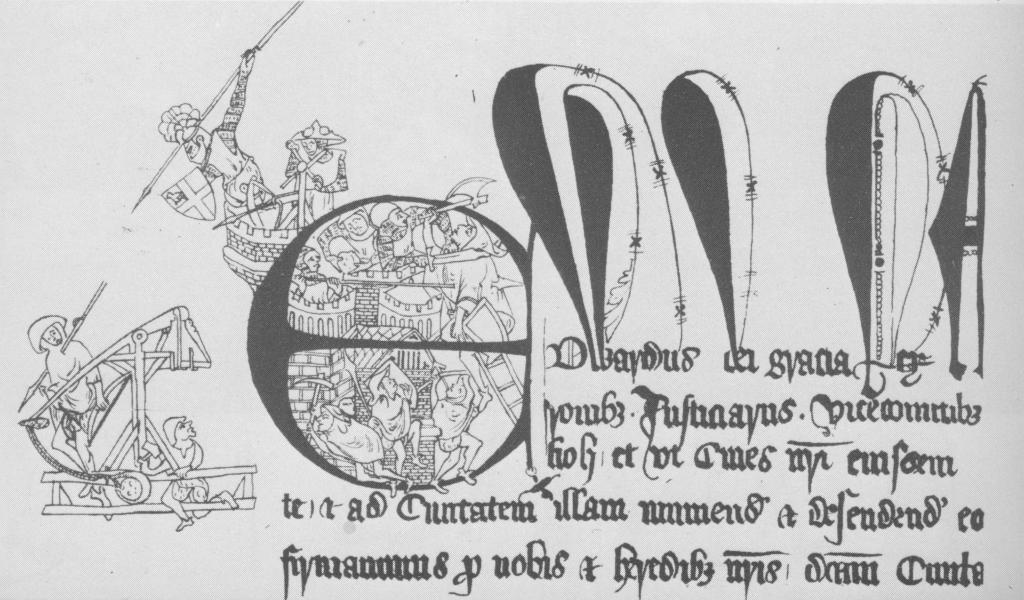
Evidence suggests that variants of the ballista were developed in the Greek world during the classical period; some sources place early experiments and improvements in Sicily around the 4th century BCE, associated with engineers in cities such as Syracuse. The Romans adopted and refined the design, standardizing components and producing mobile and siege-scale examples. Roman engineers developed lighter, more portable torsion engines (for example the cheiroballistra), adapted mounts for use on fortifications or in the field, and made the device a regular part of legionary siegecraft.
Uses, tactical role, and legacy
Ballistae were principally siege weapons used to attack defenders on walls, to disrupt massed troops, or to target high-value positions with precise fire. Because their projectiles were narrow and fast, ballistae were valued for accuracy compared with stone-throwing engines. They could be mounted on towers, platforms, or ships in some cases, extending their tactical flexibility. Over time, as metallurgy, engineering, and military doctrine evolved, other machines (such as trebuchets and later gunpowder artillery) displaced torsion engines, but the ballista’s principles influenced later mechanical projectile launchers and the conceptual lineage of large crossbow-like devices.
Distinctions and notable facts
- Ballistae differ from onagers or mangonels primarily in projectile type and powering: ballistae favor bolts and darts and use torsion bundles; onagers used a single arm and threw stones by a different mechanism.
- Construction relied heavily on organic materials—wood, sinew, and rope—so few complete examples survive; knowledge comes from texts, reliefs, and archaeological fragments.
- The device’s accuracy made it as useful for counter-personnel roles as for destroying masonry, complementing heavier stone-throwers in siege arsenals.
For further general background or reconstructions see resources on ancient military technology and classical engineering, and consult specialized studies for technical reconstructions and experimental archaeology. Additional reading and visual material can be found through introductory collections on ancient siegecraft and mechanical weapons, including comparative pages on Greek engineers and Roman adaptations (Ancient Greeks) and summaries of projectile types like spears and bolts.
Note: modern reconstructions and demonstrations often rely on archaeological context and experimentation to estimate ranges and forces; surviving literary descriptions provide the primary historical record for how ballistae were built and used.
Related articles
Author
AlegsaOnline.com Ballista: ancient torsion artillery and its role in siege warfare Leandro Alegsa
URL: https://en.alegsaonline.com/art/8546
Sources
- study.com : "Ballista: Definition, History & Facts"
- britannica.com : "Ballista ANCIENT MISSILE LAUNCHER"