
Ballistic trauma (gunshot wounds): causes, effects and management
Ballistic trauma, or gunshot wounds, are injuries from projectiles. This article covers mechanisms of injury, wound patterns, clinical care, historical context, forensic uses, and prevention approaches.
Ballistic trauma, commonly called a gunshot wound (GSW), describes physical injury caused by the discharge of a projectile from a weapon. These injuries arise in many settings: armed conflict, law enforcement actions, hunting and sports, accidental discharges, and criminal events. Severity ranges from superficial soft‑tissue wounds to catastrophic injury or death, depending on the weapon, projectile, range, and tissues involved. Treatment and outcomes depend on rapid assessment and appropriate medical care.
Image gallery
6 Images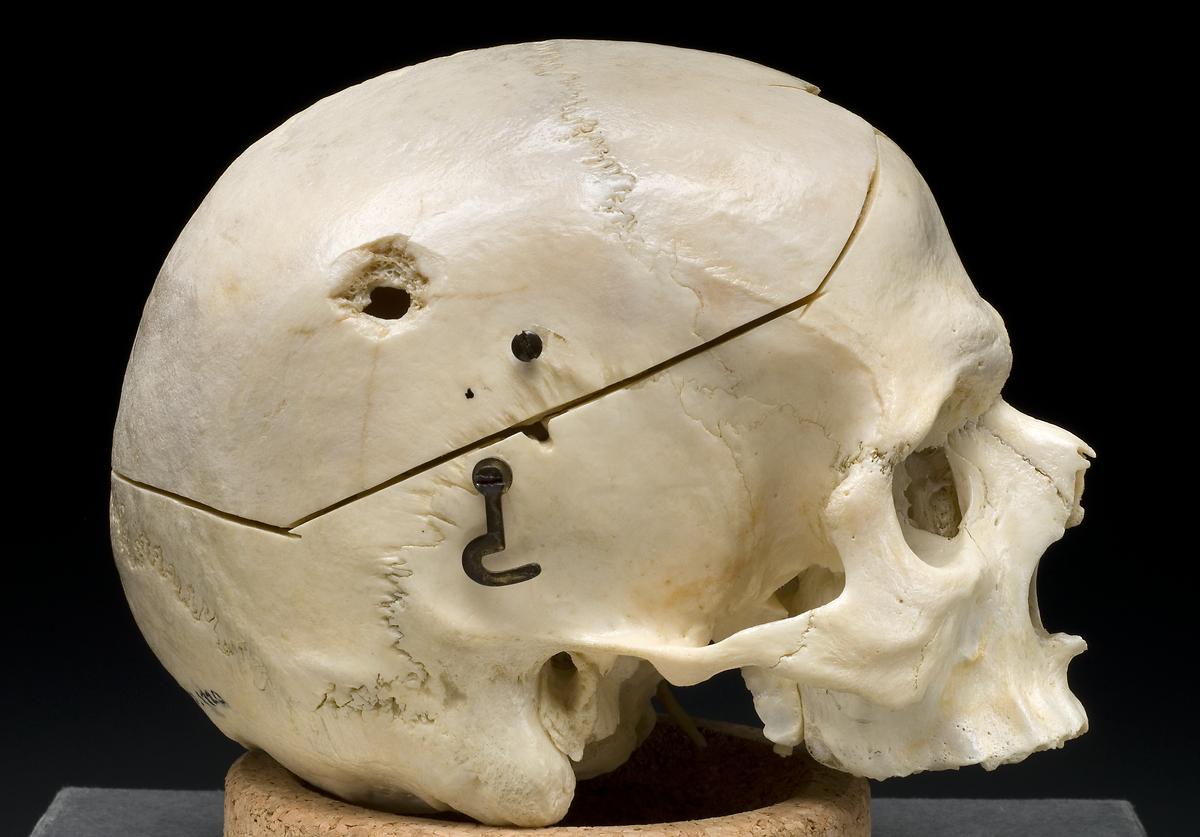


Mechanism and characteristics
Damage is produced by the projectile’s kinetic energy, its shape and velocity, and by secondary effects such as fragmentation or bone fracture. High‑velocity rounds tend to create larger temporary cavities and more extensive tissue disruption; low‑velocity projectiles usually cause narrower tracts but can still inflict serious harm. Typical wound features include an entry site, possible exit wound, and a wound channel that may injure vessels, nerves, organs, and bone. Secondary problems include hemorrhage, infection, and the physiological cascade leading to shock.
Common presentations
- Soft‑tissue wounds: swelling, bleeding, contamination.
- Orthopaedic injury: fractures, comminution, joint involvement.
- Thoracic and abdominal wounds: risk of organ perforation and internal bleeding.
- Head and neck injuries: often carry the highest risk of mortality or severe disability.
Entry wounds may be deceptively small; the internal damage can be far more extensive than external appearance suggests. Projectile fragmentation and secondary bone fragments increase the complexity of the injury.
Clinical management and recovery
Initial care emphasizes airway, breathing and circulation, control of external hemorrhage, and rapid transport to definitive care. Imaging (X‑ray, CT) defines projectile location and organ injury. Surgical approaches range from debridement and wound closure to laparotomy or thoracotomy for internal bleeding. Antibiotics and tetanus prophylaxis are commonly used. Long‑term consequences include chronic pain, reduced function, nerve damage, limb loss and psychological trauma; rehabilitation and reconstructive surgery may be required.
History, forensics and prevention
As firearms evolved, so did the patterns of ballistic injury; advances in medical and battlefield care have improved survival but also left many survivors with long‑term disability. Forensic ballistics examines projectiles and wound characteristics to help reconstruct events and identify weapons. Public health measures—safe storage, regulation, training, and violence‑reduction programs—aim to reduce incidence. Information on weapons types and munitions can be found through specialist sources such as firearms and munitions resources.
Notable distinctions include the difference between penetrating wounds (projectile remains in the body) and perforating wounds (projectile passes through), and the differing management priorities for extremity versus torso injuries. Understanding ballistic trauma requires integrating knowledge of ballistics, anatomy, emergency medicine, surgery and rehabilitation to reduce mortality and improve functional outcomes.
Questions and answers
Q: What is ballistic trauma?
A: Ballistic trauma, also known as gunshot wound (GSW), refers to a type of physical trauma that occurs due to the discharge of arms or munitions.
Q: What are some common causes of ballistic trauma?
A: Ballistic trauma can result from the use of firearms in various contexts, including armed conflicts, civilian sporting, recreational pursuits, and criminal activity.
Q: Can ballistic trauma be fatal?
A: Yes, ballistic trauma can sometimes be fatal for the individual who sustains it.
Q: What are some long-term consequences of ballistic trauma?
A: Ballistic trauma can cause various long-term negative consequences, such as chronic pain, disability, and psychological trauma.
Q: How does ballistic trauma differ from other types of physical trauma?
A: Ballistic trauma specifically results from the discharge of arms or munitions, whereas other types of physical trauma may result from a variety of causes, such as falls, accidents, and assaults.
Q: What are some ways to prevent ballistic trauma?
A: Some ways to prevent ballistic trauma include practicing gun safety, avoiding violence and conflict, and promoting peaceful resolutions to conflicts.
Q: What should someone do if they sustain ballistic trauma?
A: If someone sustains ballistic trauma, they should seek immediate medical attention and follow the recommended treatment plan to minimize the risk of complications and promote recovery.
Tags
Related articles
Author
AlegsaOnline.com Ballistic trauma (gunshot wounds): causes, effects and management Leandro Alegsa
URL: https://en.alegsaonline.com/art/8548