
Sahiwal District, Punjab, Pakistan
Sahiwal District is a central Punjab district in Pakistan, noted for its canal-irrigated plains, agricultural economy, the Sahiwal cattle breed and its location on the Grand Trunk Road.
Overview
Sahiwal District lies in central Punjab, in the province of Pakistan. The district is administratively centred on the city of Sahiwal and occupies part of the alluvial plains that make central Punjab one of the country's most productive agricultural regions. The Grand Trunk Road (GT Road) passes through the area and the city is commonly cited as being about 167 km from Lahore by road.
Image gallery
5 Images


Geography and climate
The district consists of flat, fertile plains served by an extensive canal irrigation network developed during the colonial era and expanded after independence. Soils are generally alluvial, supporting cereals, fibre and cash crops. The climate is characteristic of central Punjab: hot summers with monsoon rains and cool, relatively dry winters. Seasonal variations influence sowing and harvest cycles and the district's cropping patterns.
Administration
Sahiwal District is divided into administrative tehsils and further into union councils. Major subdistricts include Sahiwal Tehsil and Chichawatni Tehsil, each containing urban wards and surrounding rural councils. Local government institutions manage municipal services, education and development programmes, while district-level offices coordinate agriculture, health and infrastructure.
Agriculture and livestock
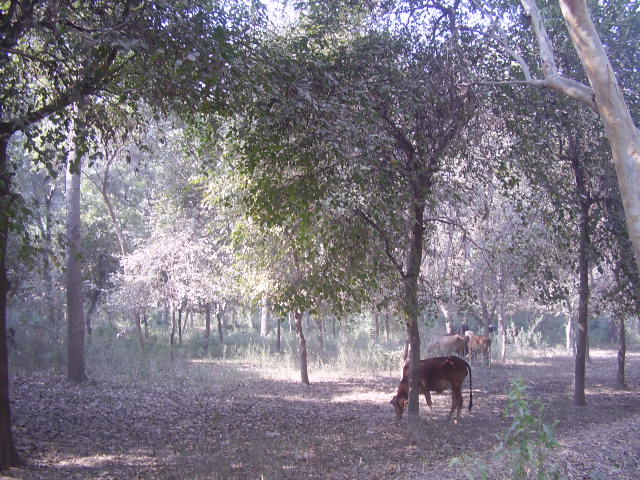
Agriculture dominates the local economy. Wheat, cotton, rice and sugarcane are among the principal crops, cultivated in irrigated rotations. The district is also notable for livestock and dairy farming: the Sahiwal breed of zebu cattle, named for the area, is prized regionally for heat tolerance and dairy qualities and has been used in cross-breeding programmes beyond Pakistan.
Transport and economy
Road and rail connections link Sahiwal with larger urban centres such as Lahore and Multan, facilitating the movement of agricultural produce and goods. The presence of markets, collection centres and agro-processing units supports the rural economy. Small-scale manufacturing, retail and service sectors provide employment in urban areas.
History and settlement
The district's modern transformation followed the extension of canal irrigation and transport routes during the British period, which allowed previously arid tracts to be settled and farmed. Towns and villages expanded along watercourses and roads. The city now known as Sahiwal adopted its present name in the twentieth century, reflecting local identity and administrative changes after independence.
Society and culture
The population of the district is predominantly Punjabi-speaking and Muslim, with cultural life reflecting Punjabi traditions, rural festivals and agricultural fairs. Local markets, religious observances and seasonal events are focal points for community life. Educational and health facilities vary between urban and rural areas, with continuing efforts to expand services.
Notable features
- The Sahiwal cattle breed, important for dairy and draft use.
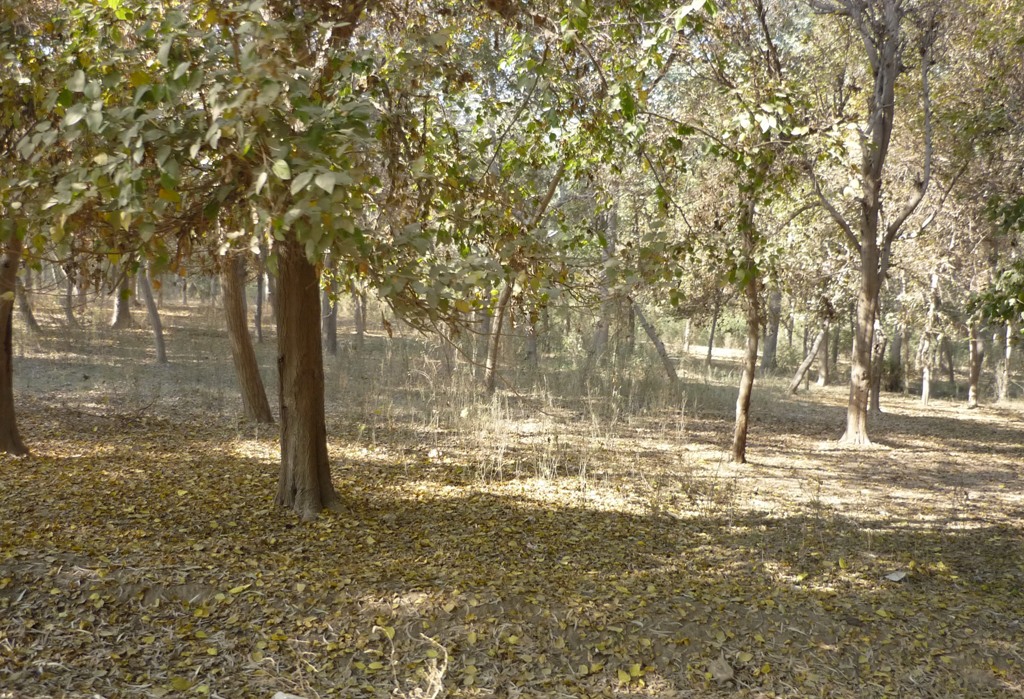
- Chichawatni plantation areas and managed tree cover interspersed with farmland.
- Role of canal irrigation in shaping land use and settlement.
For official statistics, administrative details and development plans consult district and provincial publications or the linked resources above. Additional local information can be found through government portals and regional studies.
Related articles
Author
AlegsaOnline.com Sahiwal District, Punjab, Pakistan Leandro Alegsa
URL: https://en.alegsaonline.com/art/85280