
Sable (Martes zibellina): forest marten and source of prized fur
The sable (Martes zibellina) is a medium-sized marten native to northern Asia. Known for its dense, lustrous fur, it inhabits boreal and mixed forests and figures in ecology, history and the fur trade.
Overview
The sable (Martes zibellina) is a medium-sized mustelid of the genus Martes. It lives mainly in the taiga and mixed woodlands of northern and central Asia. Valued for its soft, insulating pelt, the sable has been an important species for local economies and trade for centuries.
Image gallery
8 Images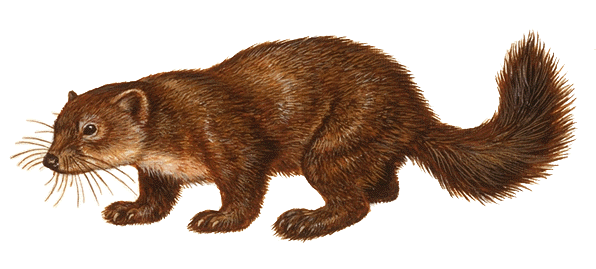




Physical characteristics
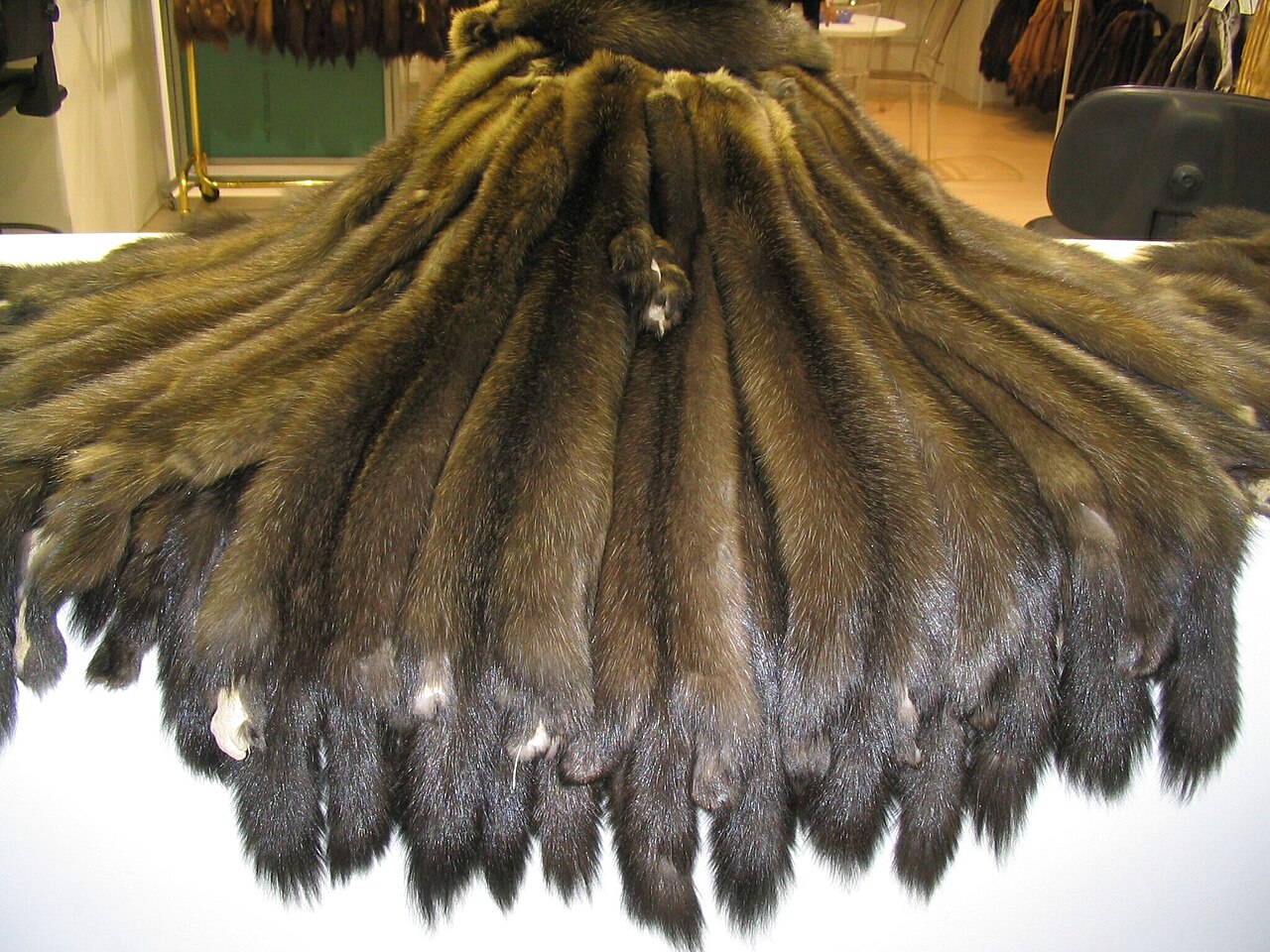
Sables typically have a slender body, short rounded ears and a bushy tail. Fur color ranges from rich brown to nearly black, often with a lighter throat patch. Their dense underfur and longer guard hairs create a glossy coat prized in the fur market. Adults are similar in size to other martens and are adapted for agile movement through trees and on the forest floor.
Distribution and habitat
The species occupies large tracts of boreal and mixed forest across Siberia, parts of the Russian Far East, Mongolia, northeastern China and the Korean peninsula. It prefers mature forests with abundant prey and den sites, but occupies a variety of forested environments and altitudes where cover and food are sufficient. See general habitat information at forest resources.
Behavior and diet
Sables are largely solitary and most active at dawn and dusk. Their diet is opportunistic: small mammals, birds and eggs make up much of their intake, supplemented by insects, fruit and carrion when available. They are efficient climbers and hunters, using trees to escape predators and search for prey.
Reproduction and lifecycle
Breeding occurs seasonally, followed by a period of delayed implantation typical of many mustelids. Litters commonly contain several young, which develop in nests or cavities until able to forage independently. Juveniles disperse to establish territories when mature.
Human relationships and conservation
Sable fur has long held cultural and economic significance, notably in Russian history where pelts once functioned as valuable trade goods. Intensive trapping reduced populations in some regions, and habitat loss continues to affect local groups. While many populations remain stable, conservation measures, regulated harvest and habitat protection are important to prevent declines. For further reading on related species and management, consult links above.
Notable distinctions
- Often darker and more lustrous than some other martens.
- Historically central to northern Asian fur economies.
- Shares many behavioral traits with other members of the genus Martes but is adapted to a broad northern range.
Related articles
Author
AlegsaOnline.com Sable (Martes zibellina): forest marten and source of prized fur Leandro Alegsa
URL: https://en.alegsaonline.com/art/85108
Sources
- iucnredlist.org : "Martes zibellina"