
Balearic Islands
Mediterranean archipelago and autonomous community of Spain comprising Mallorca, Menorca, Ibiza and Formentera; known for diverse landscapes, Catalan culture, tourism and maritime heritage.
The Balearic Islands, officially known in Catalan as Illes Balears, are an archipelago in the western Mediterranean that form an autonomous community of Spain (España). The group is organised as a single province and is centred on four larger inhabited islands and numerous smaller islets. The regional capital is Palma de Mallorca, often shortened to Palma.
Image gallery
10 Images





Principal islands and towns
- Mallorca (Majorca) – the largest island, home to Palma and a mix of beaches, farmland and mountains.
- Menorca (Minorca) – quieter, with a reputation for unspoilt bays and a strong local identity.
- Eivissa (Ibiza) – internationally known for nightlife, but also for rural villages and protected coasts.
- Formentera – the smallest of the main islands, prized for its clear waters and low-rise landscape.
The archipelago includes many smaller islets and coastal features. Important towns beyond Palma include Mahón (Maó) in Menorca, Ibiza town on Eivissa, Inca and Ciutadella; each island has its own municipal centres and cultural traditions.
History and cultural identity
The Balearics have a long human presence and a layered history influenced by Mediterranean seafaring cultures: prehistoric communities, classical Mediterranean powers, medieval Mediterranean kingdoms and integration into the modern Spanish state. A strong local culture survives, based on variations of Catalan (often labelled Balearic dialects), Spanish, maritime craft traditions and island festivals.
Economy, tourism and uses
Today the islands' economy depends heavily on tourism, which shapes infrastructure, services and seasonal population patterns. Agriculture (olives, almonds, vineyards, horticulture), fishing, small-scale industry and maritime services also contribute. Each island offers different visitor experiences: Mallorca mixes mountain and resort tourism, Menorca emphasizes nature and archaeology, Ibiza combines nightlife with quiet rural areas, and Formentera is known for low-density beaches.
Landscape, conservation and transport
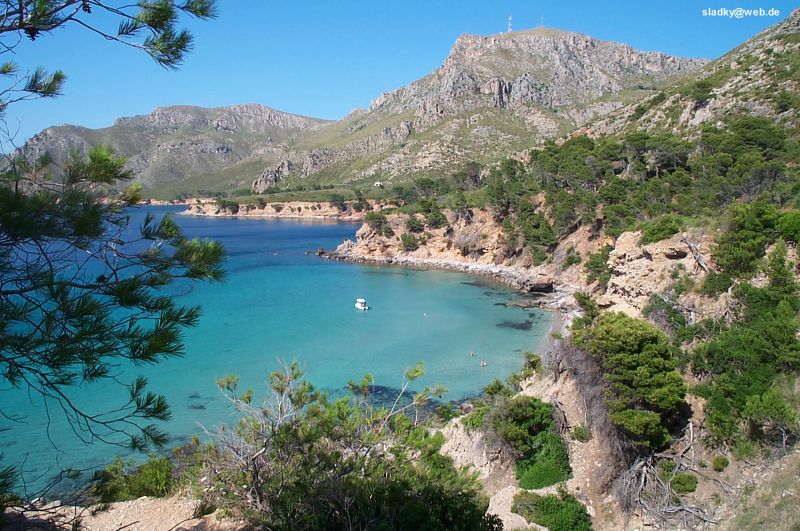
Geographically the islands display Mediterranean climate and diverse terrain: Mallorca's Serra de Tramuntana mountains, Menorca's coastline of coves and cliffs, and the sandy flats of Formentera. The region contains protected areas and endemic species, such as island reptiles and specialised plant communities, and faces conservation challenges from development and tourism pressure. Transport links include airports on the main islands and regular ferry services connecting them and the Spanish mainland.
For deeper information about administration, culture and travel, consult regional sources and official guides that cover language policy, environmental protection and local festivals.
Related articles
Author
AlegsaOnline.com Balearic Islands Leandro Alegsa
URL: https://en.alegsaonline.com/art/8485