
Palma de Mallorca — capital and principal city of Mallorca
Palma de Mallorca is the capital of the Balearic Islands on the island of Mallorca. A Mediterranean port city known for its historic center, Gothic cathedral, tourism, and transport links including an international airport.
Palma de Mallorca is the capital of the Balearic Islands and the largest population center on the island of Mallorca. It sits on the coast of the Mediterranean Sea, west of the Iberian Peninsula. The city functions as the political and economic hub of the region and has a metropolitan population of roughly 400,000.

Image gallery
10 Images



Overview and urban character
Palma combines a medieval old town with modern waterfront development. Narrow lanes, historic palaces and a dramatic seafront promenade coexist with marinas, shopping streets and contemporary cultural venues. The skyline is dominated by the Gothic cathedral often called La Seu and by the circular Bellver Castle, while the Paseo Marítimo and the harbour give the city a strong maritime identity.
Principal sights and cultural life
- La Seu (Cathedral): notable Gothic architecture and visible from the harbour.
- Bellver Castle: a hilltop fortress with panoramic views.
- Old Town: plazas, palaces and winding streets with historic buildings.
- Museums and galleries: contemporary art, regional history and maritime collections.

History and development
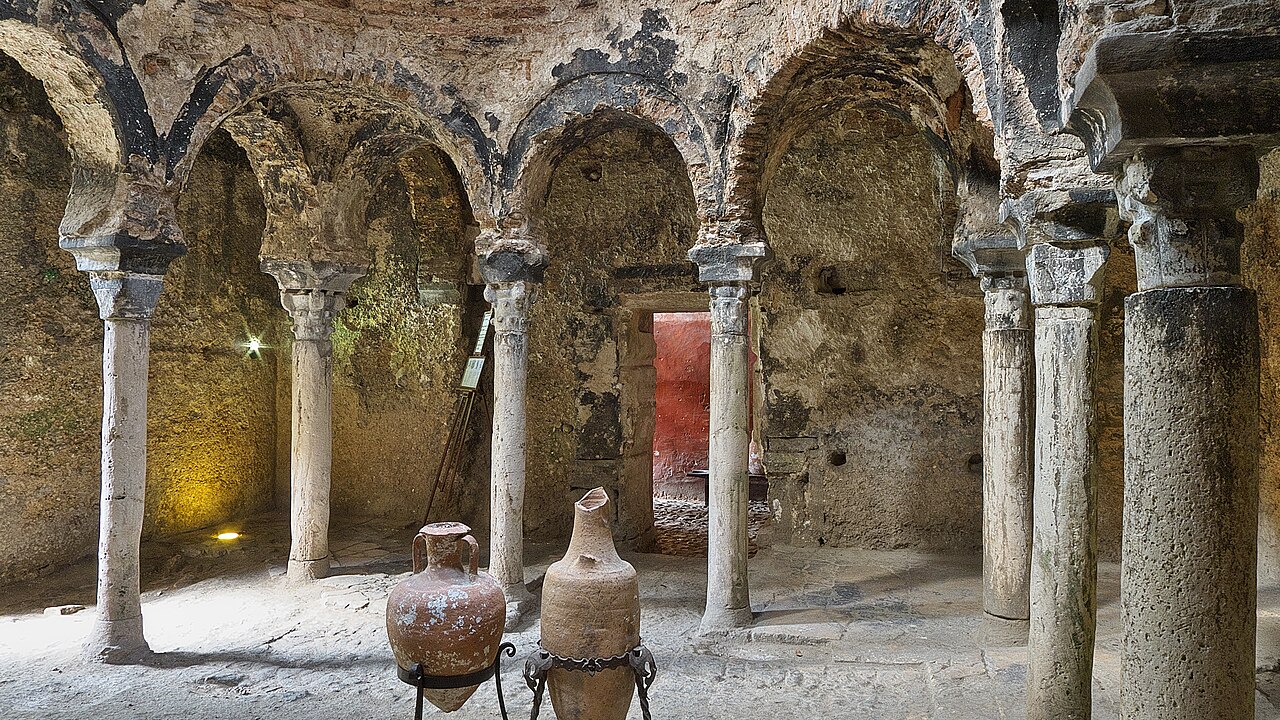
Palma has a layered history shaped by Roman, Byzantine and Islamic periods, followed by Christian rule. Its strategic harbour made it an important node for Mediterranean trade and naval activity. Over centuries the city expanded from an enclosed medieval core to a broader urban area with port and industrial quarters.
Economy and transport
Tourism is the dominant economic sector, supported by hotels, restaurants and maritime services; the city is a frequent destination for cruise ships and seasonal visitors. Local commerce, public administration and education also contribute to the economy. The international airport lies just southwest of the urban area and links Palma to Europe and beyond. Public transport includes buses, a light metro and suburban rail, while ferries connect the island to the mainland and other Balearic islands.
Notable facts and contemporary issues
As a major Mediterranean destination, Palma faces challenges common to tourist cities: balancing visitor numbers with resident quality of life, managing seasonal pressures on housing and services, and protecting cultural heritage and coastal environments. At the same time it remains valued for its architectural heritage, climate and role as the administrative centre of the Spain region it serves.
For practical visitor information on transport, events and municipal services see local guides and official resources: Balearic government, Mallorca tourism, and port or airport pages provide schedules and planning tools.
Related articles
Author
AlegsaOnline.com Palma de Mallorca — capital and principal city of Mallorca Leandro Alegsa
URL: https://en.alegsaonline.com/art/74231