
Menorca (Spanish Balearic Island)
Menorca is the easternmost of Spain's Balearic Islands, known for sheltered harbors, prehistoric megaliths, a protected coastline, traditional cuisine and a quieter, nature-focused tourist experience.
Overview
Menorca is the easternmost island of the Balearic Islands and forms part of Spain. It is known for a low-rise, rural character that contrasts with some larger Mediterranean resorts. Catalan (in a local Menorquí variety) and Spanish are spoken. Two towns, Maó (Mahón) and Ciutadella, supply most administrative, commercial and cultural life.
Image gallery
10 Images




Geography and natural features
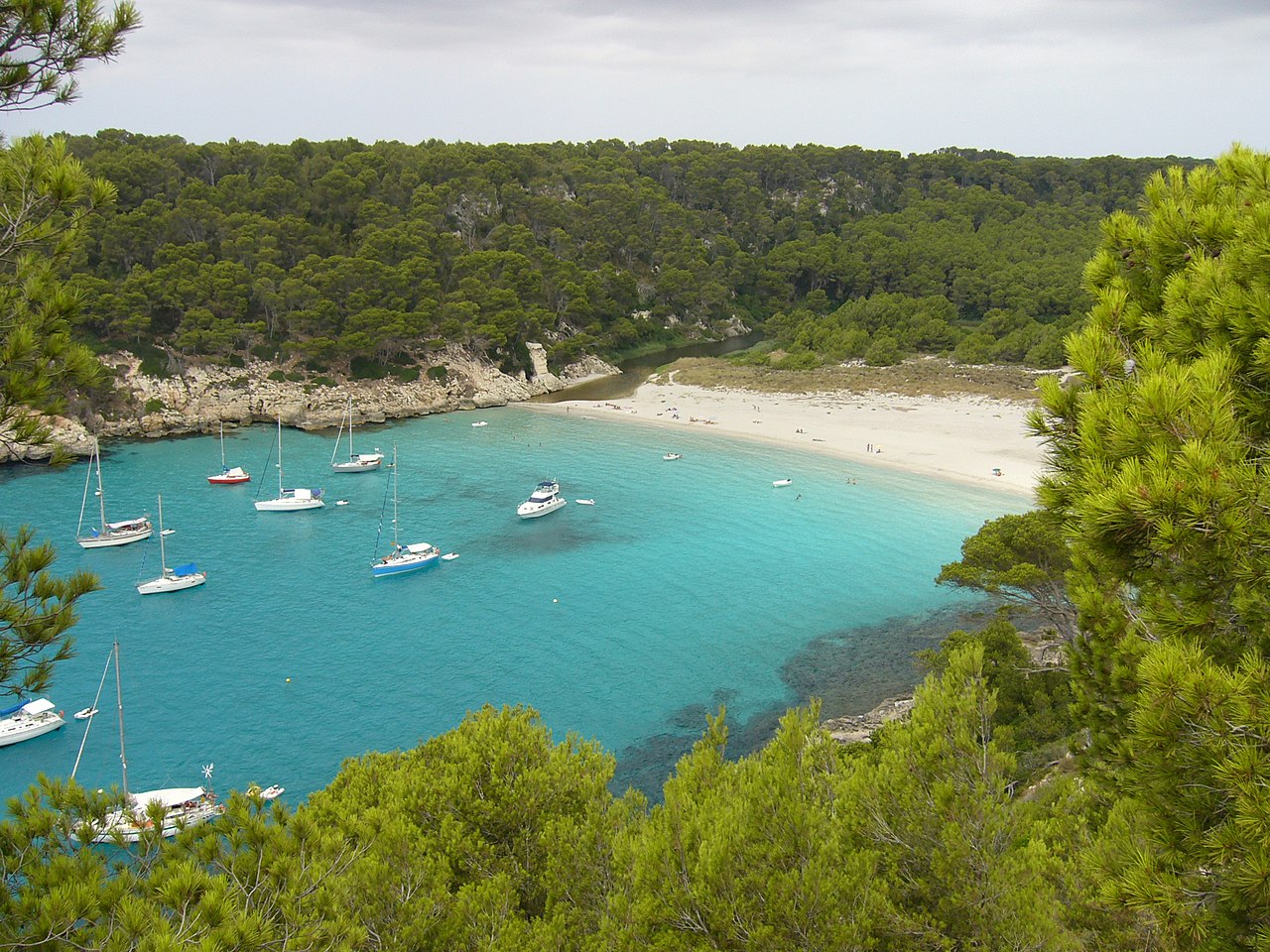
The island combines rocky headlands, sandy coves and shallow bays with a largely undeveloped interior. Much of Menorca's coastline is protected and it has a long coastal trail, the Camí de Cavalls, which circles the island. Menorca also supports distinctive wildlife, including local lizard species, and preserves wetlands and marine habitats valued for biodiversity.
History and archaeology
Human occupation on Menorca reaches back to prehistoric times; the island is notable for megalithic monuments such as navetas and talayots that reflect the ancient Talayotic culture. Over centuries it was influenced by Mediterranean civilizations and later by medieval and early modern powers that used its excellent natural harbors for trade and defence. Fortifications and period architecture in Maó and Ciutadella recall that layered past.
Culture, economy and uses
Traditional activities include farming, fishing and artisanal food production. Menorca is famed for Mahón-Menorca cheese and a local gin-based drink often served with lemonade called pomada. Tourism is important but the island emphasizes sustainable, low-density approaches: many visitors come for beaches, walking, birdwatching and cultural festivals rather than mass nightlife.
Notable facts and visitor highlights
Menorca is often recommended for travelers seeking calmer landscapes and preserved nature. Highlights include the deep natural harbor of Maó, the historic streets of Ciutadella, prehistoric sites, secluded beaches and the island-wide coastal path. Practical travel notes: services concentrate around the main towns and ports, while much of the interior and shoreline remain protected for ecological and cultural preservation.
- Key towns: Maó (Mahón), Ciutadella
- Distinctive sites: navetas, talayots, La Mola and old harbour areas
- Local products: Mahón cheese, gin and traditional dishes
Related articles
Author
AlegsaOnline.com Menorca (Spanish Balearic Island) Leandro Alegsa
URL: https://en.alegsaonline.com/art/63824