
Mallorca (Majorca): geography, history, cities and culture
Mallorca (Majorca) is the largest Balearic Island off Spain's Mediterranean coast, known for its varied landscape, historic towns, tourism economy and cultural heritage centered on Palma.
Overview
Mallorca is a Spanish island located in the Mediterranean Sea. It is the largest member of the Balearic Islands archipelago and serves as a major destination for visitors to Spain. The island's capital, Palma de Mallorca, is the administrative and cultural centre and hosts a large share of the island's population. Overall population figures have varied over time; earlier counts put the island at roughly 869,000 inhabitants (2010), with Palma accounting for several hundred thousand people — see local sources for the latest data and detailed population statistics.
Image gallery
10 Images




Landscape and environment
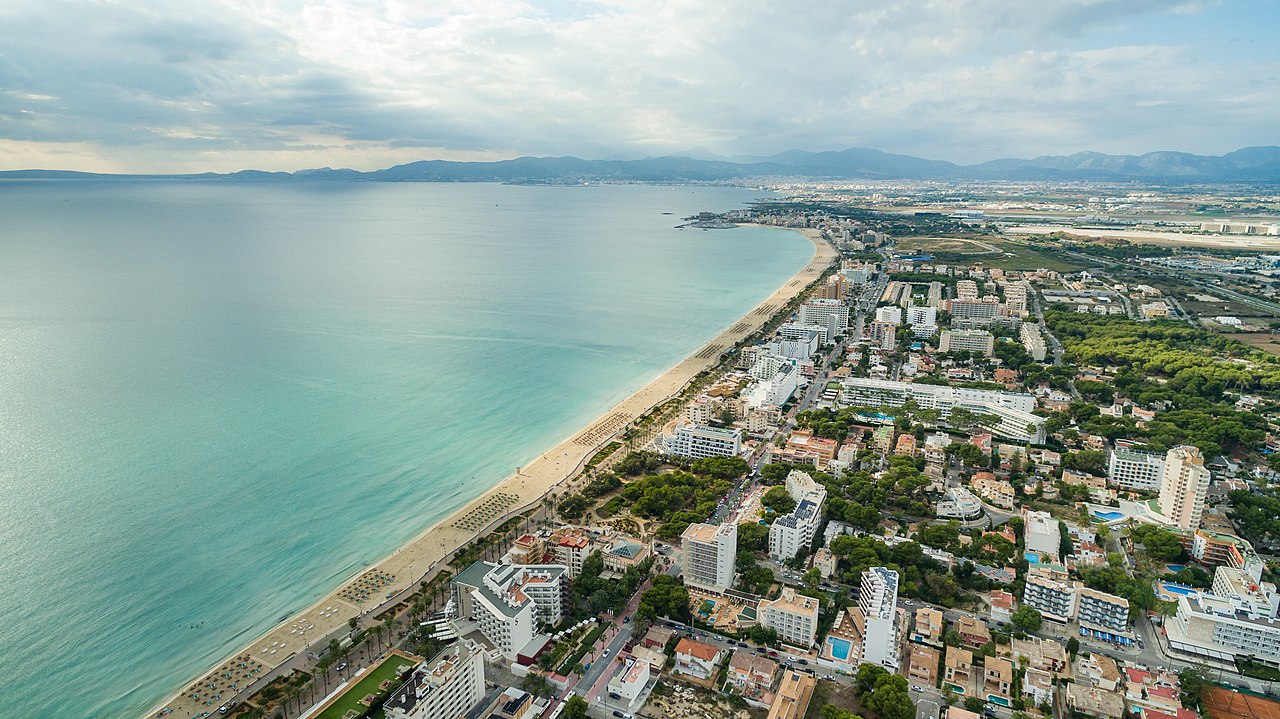
Mallorca's topography ranges from long sandy beaches and sheltered coves to rugged mountains. The Serra de Tramuntana, a limestone range along the northwest coast, contains the island's highest points and attracts hikers and cyclists. Inland plains support agriculture — historically olives, almonds and vines — while coastal zones are prime areas for tourism and marine activities. The island has a Mediterranean climate with warm, dry summers and mild winters, which shapes both natural ecosystems and seasonal visitor patterns.
History and cultural notes
The island has a long human presence, with prehistoric megalithic sites and a distinctive prehistoric Talaiotic culture. Over centuries it was settled and ruled by a succession of peoples including Romans, Moors and later integration into the Crown of Aragon and the modern Spanish state. This layered history is visible in Mallorca's architecture, languages and traditions: Catalan (in its Mallorquí variant) and Spanish are commonly used, and towns preserve churches, fortifications and rural estates that reflect diverse influences.
Economy and infrastructure
Tourism is the dominant economic sector, drawing visitors for beaches, nightlife, gastronomy and outdoor recreation; the tourism industry shapes employment and development across the island. Palma hosts the main international airport and maritime links; the city also hosts higher education institutions such as the local university and urban transit connecting airport and suburbs. Local transport includes road networks, regional rail and light-rail connections linking Palma with nearby towns and ports.
Cities and towns
Besides Palma, the island includes a number of important municipalities and market towns. A non-exhaustive list of notable places includes:
- Calvià — a municipality with coastal resorts and residential areas.
- Manacor — known for industry, crafts and nearby rural communities.
- Llucmajor — a large town occupying territory to the south of Palma.
- Marratxí and Inca — inland towns with markets, manufacturing and services.
- Felanitx — a traditional agricultural and winemaking area.
- Alcúdia — featuring a well-preserved old town and archaeological sites.
- Pollença and other important cities such as Sóller — towns with distinct cultural identities and tourist appeal.
Contemporary issues and distinctions
Mallorca faces common island challenges: balancing tourism with environmental protection, managing seasonal population fluxes, and maintaining cultural and economic diversity beyond resort economies. The island is also noted for its cycling routes, traditional festivals, artisanal food production and several nature-protection initiatives. For updated practical information about travel, governance and local services consult current guides and official sources linked from local authorities and visitor information centres.
For further reading and official resources, follow municipal and regional portals referenced for Palma and the other municipalities.
Related articles
Author
AlegsaOnline.com Mallorca (Majorca): geography, history, cities and culture Leandro Alegsa
URL: https://en.alegsaonline.com/art/61048