
Russian Provisional Government (1917)
Interim government formed after Tsar Nicholas II's abdication in 1917 that aimed to organize a constituent assembly; it struggled with war, land reform and dual power and was overthrown by the Bolsheviks.
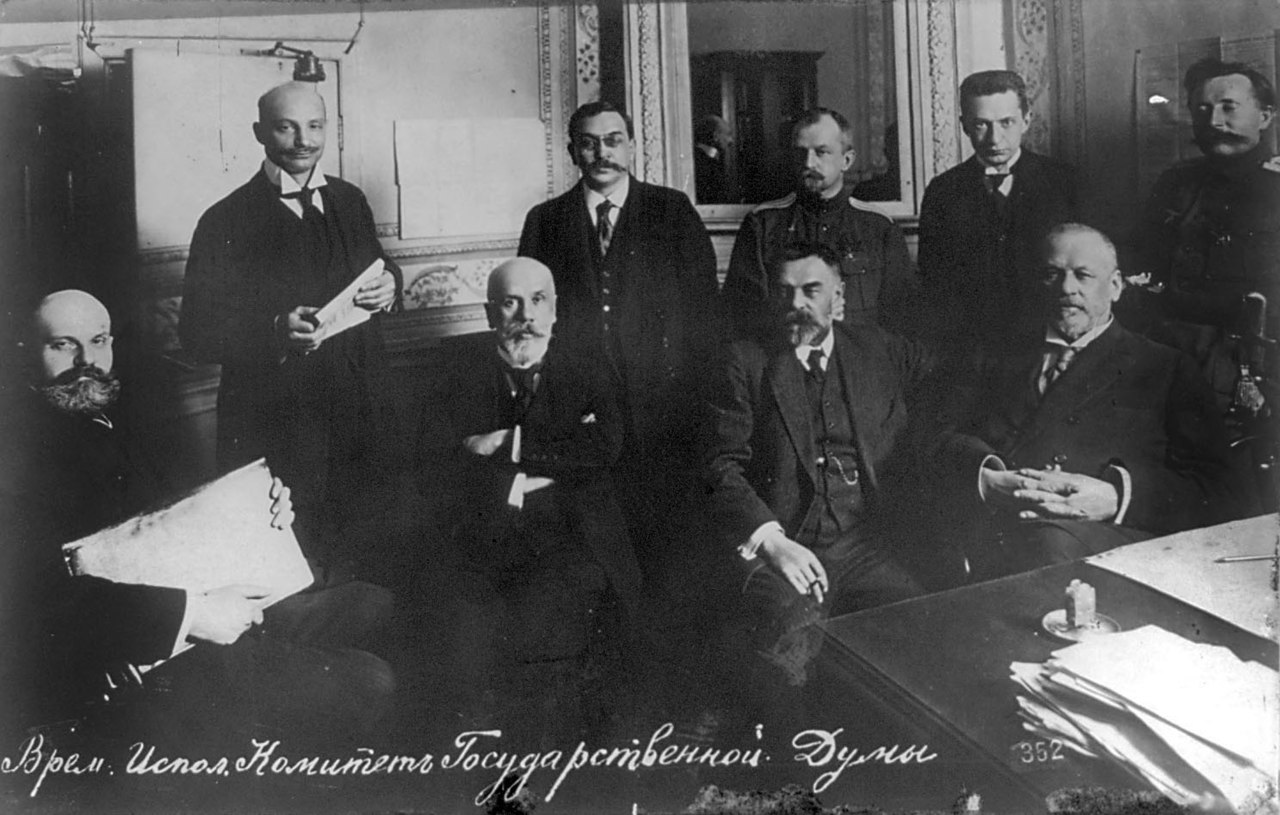
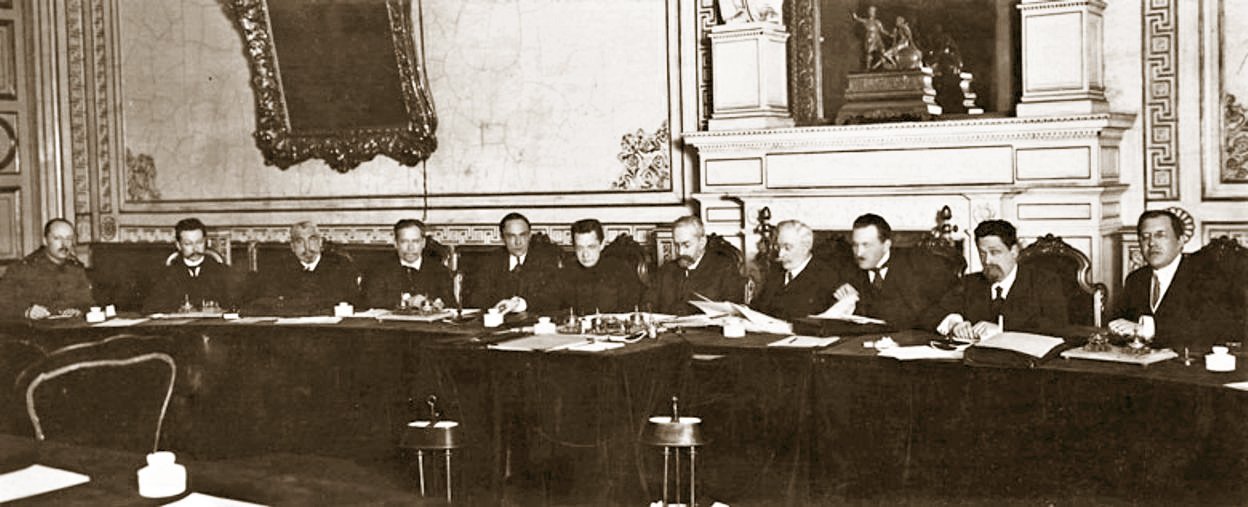
The Russian Provisional Government arose in the chaotic months following the abdication of Tsar Nicholas II. Created in March 1917, its declared task was to prepare and hold elections to a Constituent Assembly that would determine Russia’s future political order. The body was an interim executive intended to replace autocratic rule and to steer the country until a democratically mandated assembly could convene.
Image gallery
10 Images



Composition and aims
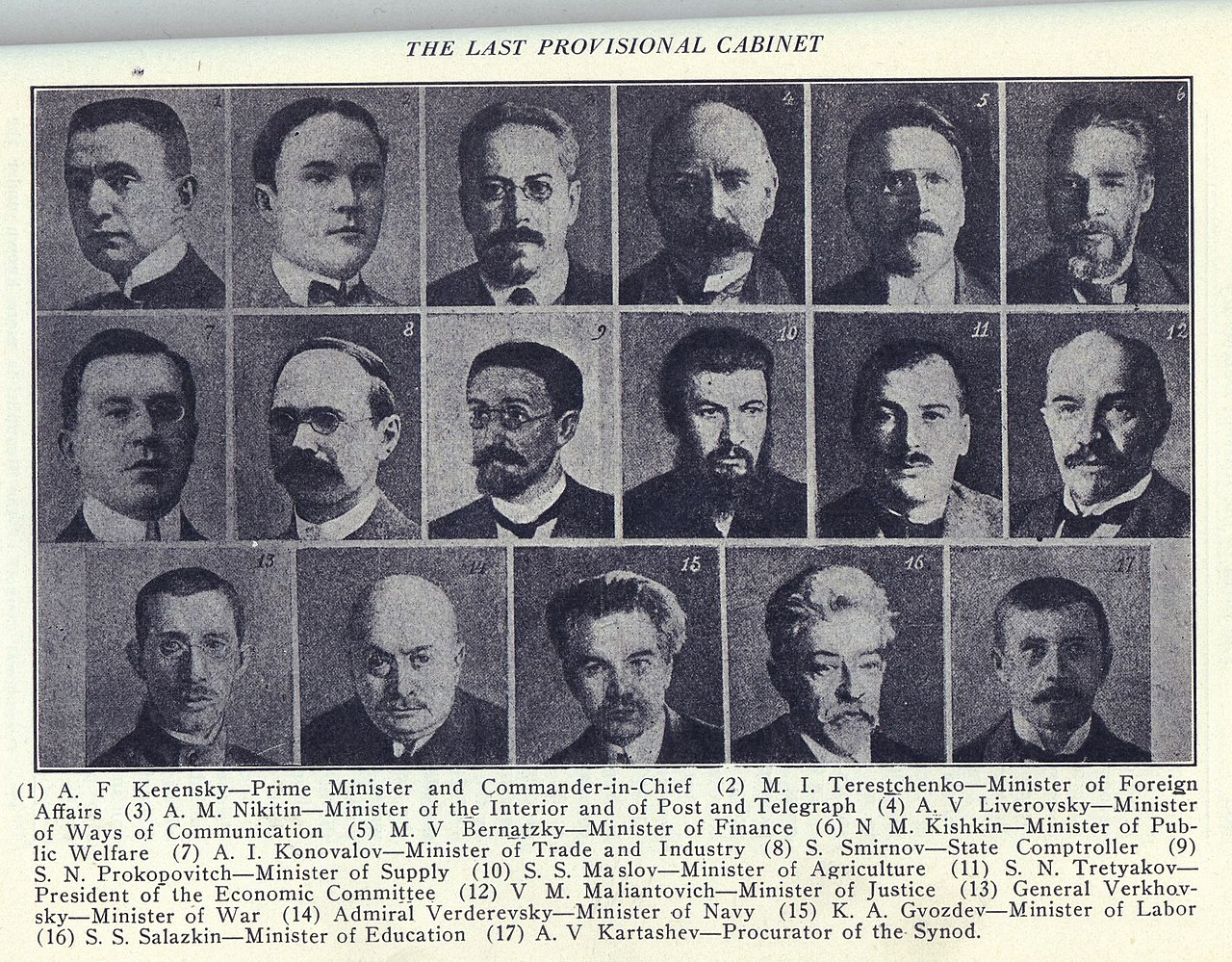
Members were drawn from the State Duma, liberal parties and moderate socialists. Early leaders included Prince Georgy Lvov and, later, Alexander Kerensky. The government implemented immediate liberal measures such as freedom of speech and assembly, amnesty for political prisoners, and efforts to modernize administration. Its principal stated objective was organizing the Constituent Assembly and introducing civil liberties while maintaining state functions.
Challenges and political structure
The Provisional Government operated alongside the Petrograd Soviet in a situation often called "dual power." While the government claimed formal authority, the Soviet — representing workers and soldiers — exercised strong influence over urban councils and military units. This balance weakened centralized control, particularly in the armed forces: orders from the Soviet, including limits on officers’ authority, contributed to breakdowns in discipline and a disorganized army.
Major crises and policies
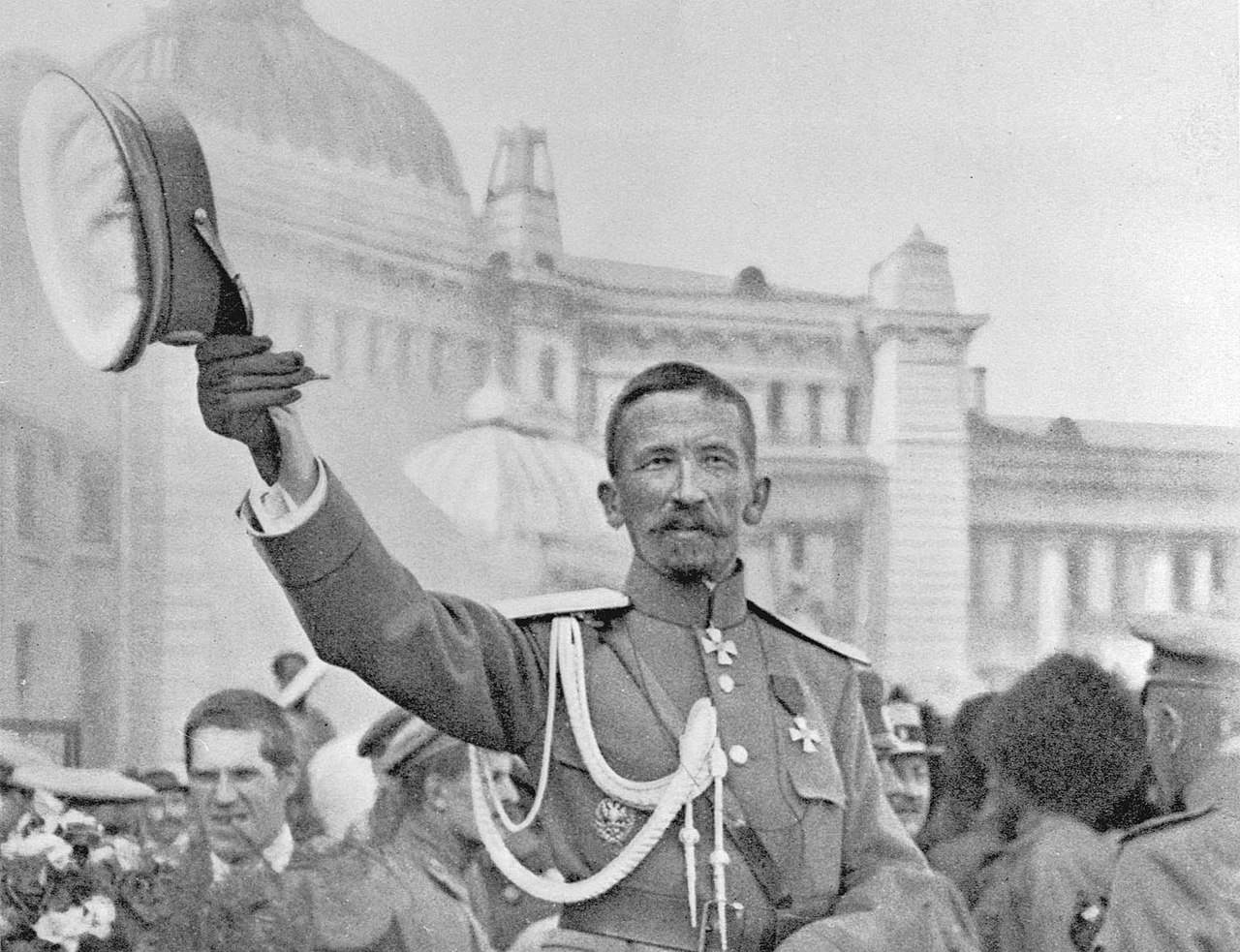
Key decisions that shaped its fate included the choice to continue fighting in World War I and the slow, contested handling of land reform for peasants. The period saw repeated crises: mass demonstrations, the so-called July unrest, and an attempted military coup known as the Kornilov affair. These events exposed the government’s limited capacity to restore order or to deliver swift social and economic reforms.
Collapse and legacy
In October 1917 the Bolsheviks seized power in Petrograd, effectively replacing the Provisional Government and ending its authority. Its fall accelerated Russia’s path to civil war and radical political change. Historians view the Provisional Government as a transitional administration that advanced liberal reforms but failed to consolidate control or reconcile competing demands from soldiers, workers and peasants.
Notable facts
- Official name in Russian: Vremennoye pravitel'stvo Rossii.
- Formed after the abdication (abdication) of the monarch in Russia.
- Operated within the historical context of the Russian Empire collapsing and revolutionary change.
- Seen as both a liberal reforming effort and a government that could not prevent radical alternatives from seizing power.
For summaries and primary-source collections, see general historical overviews and archival compilations of the 1917 revolutions and the Constituent Assembly period (provisional government resources).
Related articles
Author
AlegsaOnline.com Russian Provisional Government (1917) Leandro Alegsa
URL: https://en.alegsaonline.com/art/84842
Sources
- hrono.ru : Manifest of abdication
- firstworldwar.com : "Announcement of the First Provisional Government, 13 March 1917"