
Russian literature: history, themes, and notable authors
Survey of literature written in Russian or by Russian writers, covering origins, major movements, characteristic themes, and prominent authors from the 18th century to the present.
Russian literature refers to works composed in the Russian language or produced by writers of Russian cultural background. It encompasses poetry, prose, drama, and essays and ranges from medieval chronicles to contemporary fiction. The tradition is known for its philosophical depth, social critique, and strong narrative novels.
Image gallery
10 Images


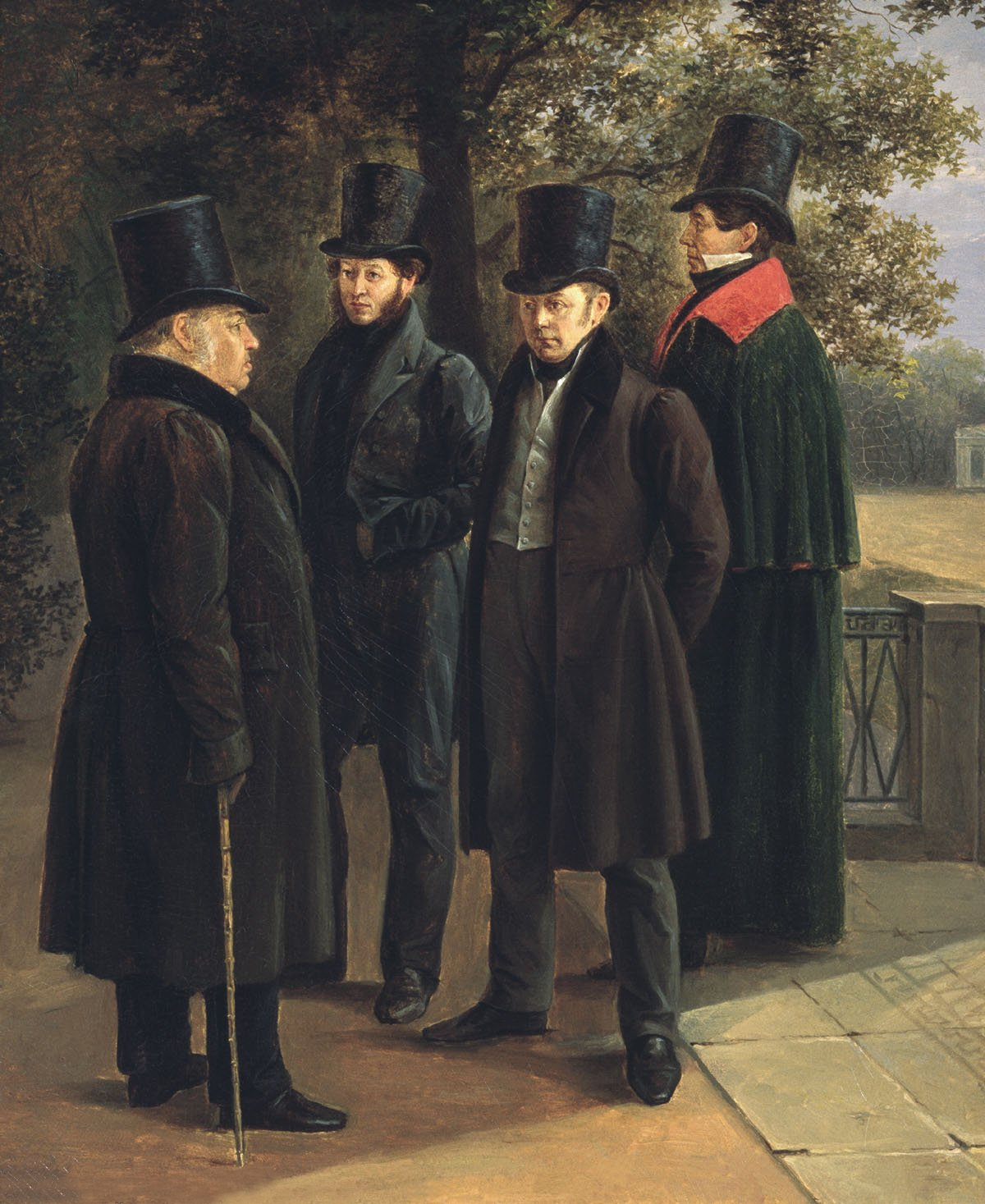

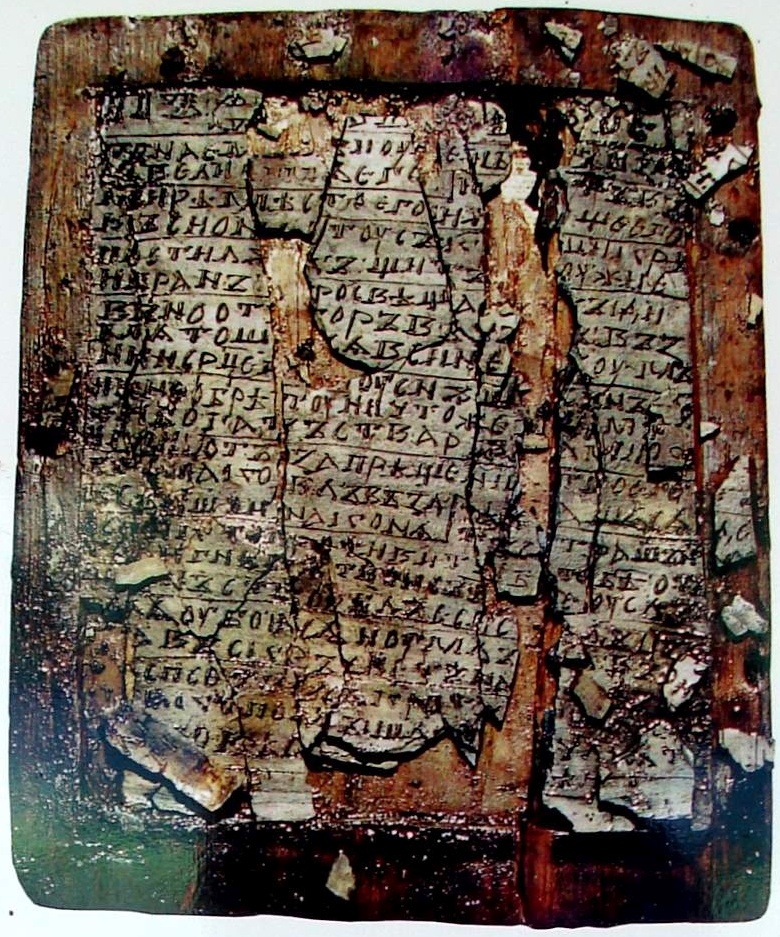
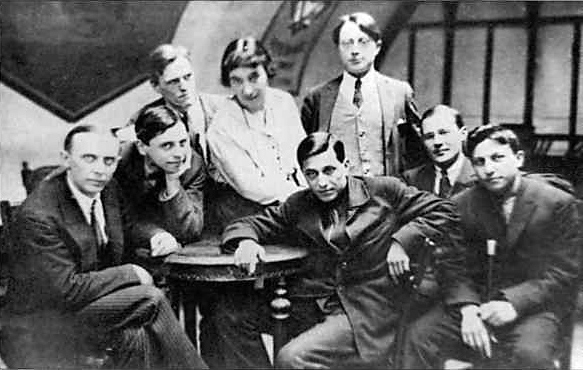

Characteristics and themes
Distinctive features include psychological realism, moral inquiry, and attention to social contexts. Writers often combine detailed character study with broad social canvases, blending personal conscience with questions about history, faith, and justice. Genres vary from lyric poetry to long realist novels and experimental modernist prose.
Historical development
The literary language developed from earlier Slavic texts into a modern Russian idiom by the 18th century, when writers began producing secular poetry and prose. The 19th century is often called a peak period, with novelists and poets shaping both national identity and international literary trends. The 20th century brought avant-garde movements, Soviet-era constraints and official themes, and a vigorous émigré and dissident culture.
Major authors and representative works
- Leo Tolstoy — known for epic realist novels that explore ethics and society.
- Fyodor Dostoevsky — famed for psychological novels that probe moral and existential dilemmas.
- Ivan Turgenev — noted for social novels and nuanced portrayals of Russian life.
- Nikolai Gogol — whose satirical prose influenced realism and the grotesque.
- Vladimir Nabokov — a novelist and stylist who worked in Russian and later English.
- Mikhail Sholokhov — associated with historical novels of rural life and war.
- Alexander Solzhenitsyn — known for exposing the Soviet labour-camp system and moral courage in fiction and nonfiction.
- Other important figures include poets, dramatists and contemporary authors who continue to expand the tradition.
Legacy and influence
Russian literature has had a profound global impact, influencing narrative techniques, philosophical fiction, and political discourse. Translations have made many works world classics; at the same time, historical censorship, exile, and ideological pressures shaped authors' choices and themes. Today Russian writing remains diverse, reflecting historical memory, social change, and international engagement.
Note: Readers seeking more detailed biographies, bibliographies, or critical studies can follow the linked placeholders for introductory resources on language, individual authors, and historical periods.
Related articles
Author
AlegsaOnline.com Russian literature: history, themes, and notable authors Leandro Alegsa
URL: https://en.alegsaonline.com/art/84836