
Ivan Turgenev (1818–1883)
Russian novelist, playwright and short‑story writer whose realistic prose and social insight—notably in Fathers and Sons—shaped 19th‑century literature and public debate.
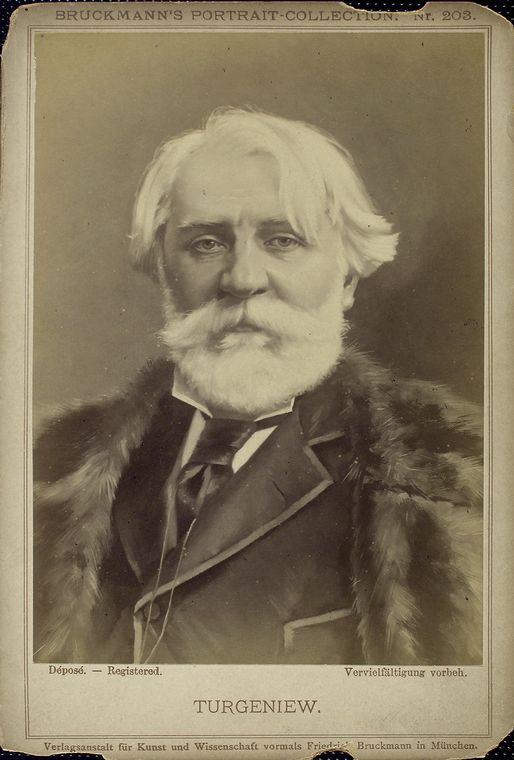
Ivan Sergeyevich Turgenev (9 November 1818 – 3 September 1883) was a Russian writer best known for the novel Fathers and Sons. He produced novels, plays and short stories that combined careful psychological observation with lyrical description of landscape and rural life. His work helped define Russian literary realism and reached wide audiences in both Russia and Western Europe.
Image gallery
9 Images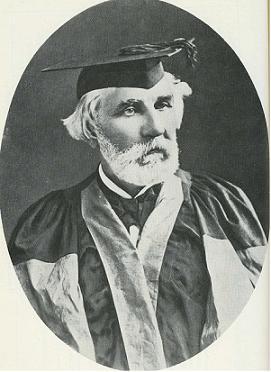


Life and career
Born into a landed family, Turgenev trained in the humanities and law, then began publishing fiction in the 1840s. He spent substantial periods abroad and often lived in Western Europe while maintaining close ties to Russian literary circles. Political censorship and differing artistic views pushed him toward a cosmopolitan life, though he remained engaged in debates on reform and social change.
Major works
- A Sportsman's Sketches (also translated as Sketches from a Hunter's Album) — a collection of short pieces that drew attention to peasant life and social conditions.
- Rudin and Home of the Gentry (A Nest of Gentlefolk) — early novels examining the intelligentsia and provincial society.
- Fathers and Sons — a defining 1860s novel that introduced the character Bazarov and the term "nihilist" into public conversation.
- Plays and shorter fiction, including the well‑known short story "First Love" and theatrical pieces such as A Month in the Country.
Style and themes
Turgenev's prose is noted for its elegant clarity, melodic sentences and acute portraits of character. He combined social observation with intimate psychological insight, often contrasting generations, social classes and urban and rural worlds. Nature and landscape figure prominently, serving both as setting and as a means to evoke mood and moral reflection.
Reception and legacy
Contemporaries admired Turgenev for his craftsmanship and European sensibility. His writings influenced readers and writers across Europe and contributed to Russian discussions about serfdom, reform and modernity. He maintained complex relationships with fellow authors such as Dostoevsky and Tolstoy, reflecting broader tensions in Russian letters. Today he is studied for his role in the development of the modern novel and for works that bridge Russian and Western literary traditions.
Notable facts include his long association with musical and artistic figures of 19th‑century Europe and the lasting presence of his characters and phrases in critical debates about society and literature.
Related articles
Author
AlegsaOnline.com Ivan Turgenev (1818–1883) Leandro Alegsa
URL: https://en.alegsaonline.com/art/48695