
Nikolai Gogol (1809–1852): life, works and influence
Nikolai Gogol, born in present‑day Ukraine, wrote in Russian and produced major satirical and grotesque works—The Overcoat, The Government Inspector and Dead Souls—that reshaped 19th‑century fiction and drama.
Overview
Nikolai Vasilievich Gogol was born on April 1, 1809 and died on March 4, 1852. He came from a family of Ukrainian background and wrote in the Russian language, becoming a central figure in the tradition of Russian literature. His early fiction draws on Ukrainian folklore, dialect and village life, while his mature work turns to satirical treatment of bureaucracy, social pretension and spiritual themes.
Image gallery
10 Images


Early life
Born in a region long associated with Ukrainian culture, Gogol's formative years were shaped by local song, stories and Cossack reminiscence. He later moved to Saint Petersburg to pursue a literary career and to seek wider recognition. The contrast between provincial origins and the imperial capital informed much of his imaginative energy and critical eye.
Career and major works
- Evenings on a Farm Near Dikanka — early collection of tales set in Ukrainian villages, marked by folkloric color and comic incident.
- The Government Inspector (Revizor) (1836) — a satirical play that lampoons official corruption and panic-stricken provincial elites.
- The Overcoat (short story) — a concise, influential tale often cited for its mixture of realism, pathos and bitter social observation.
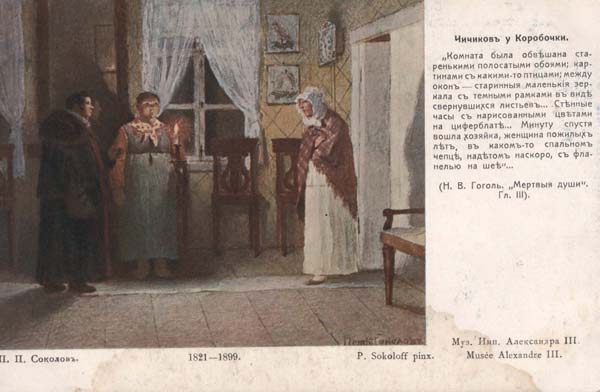
- Dead Souls (first part published 1842) — a large-scale satirical project that combines comic episodes with moral and social critique; the work remained incomplete and controversial in its intentions.
- Other notable shorter pieces include The Nose and various sketches that experiment with grotesque and absurdist elements.
Style and themes
Gogol's writing is notable for its blend of vivid descriptive detail, grotesque comedy and melancholy. He often exposes the absurdities of bureaucracy, social climbing and hypocrisy while preserving sympathy for human vulnerability. His narrative voice can shift from lyrical folklore to satirical ridicule, and his use of vivid character types and memorable episodes influenced later realists and modernists.
Later life, religion and reception
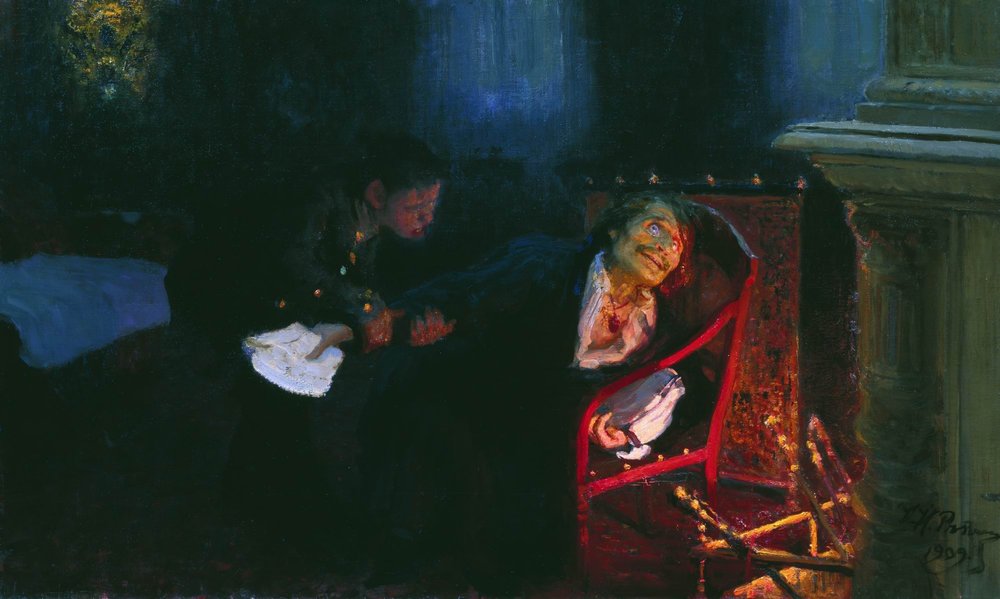
In later years Gogol became increasingly preoccupied with religious and moral questions; this change affected his tone and led to tensions over unfinished manuscripts and revisions. His death and subsequent reception have been the subject of much scholarly discussion and debate about authorial intent, identity and influence.
Legacy
Gogol's impact extends to prose, drama and the short story form. Critics and writers across Europe and Russia have acknowledged his role in shaping narrative technique, psychological observation and satirical edge. Questions of Gogol's dual cultural background—Ukrainian origins and Russian literary practice—remain a topic of interest in literary history.
Further resources
For pronunciation and name forms see pronunciation and variants; for the Ukrainian form of his name see Ukrainian name. General biographical timelines and reference material may be consulted at biographical timelines, and discussions of his posthumous reception appear at posthumous reception. For the regional context of his upbringing see Ukraine and cultural roots, and for work in context consult materials on the history of Russian literature and the language.


Works
- Evenings on the hamlet near Dikanka (1831/1832)
- Part One:
- Preface
- The fair in Sorochinzy
- The Night of St John
- A May Night or The Drowned
- The missing letter
- Part Two:
- Preface
- The Night Before Christmas
- The Sundance Kid
- Ivan Fyodorovich Shponka and his aunt
- The bewitched place
- Mirgorod (1835)
- Part One:
- old time landowner
- Taras Bulba
- Part Two:
- The Wij
- The story of the great scramble between Ivan Ivanovich and Ivan Nikiforovich
- Master Novels
- The Nevsky Prospect (1835)
- The nose (1836)
- The Portrait (1842)
- The Coat (1842)
- The Calash (1836)
- Notes of a Madman (1835)
- Rome (1842)
- Comedies
- The Revisor (premiere 1836)
- The Morning of a Busy Man (1836)
- The Marriage (premiere 1842)
- The Players (premiere 1843)
- The Trial (premiere 1844)
- Dramatic fragments (published in 1842)
- The servant's room
- Fragment
- The Dead Souls (1842)
- Selected passages from the correspondence with friends (1847)

Reception
See also: GogolFest
Related articles
Author
AlegsaOnline.com Nikolai Gogol (1809–1852): life, works and influence Leandro Alegsa
URL: https://en.alegsaonline.com/art/70196
Sources
- britannica.com : "Nikolay Gogol"