
Scouting for Boys — the handbook that launched the Scout Movement
Scouting for Boys (1908) by Robert Baden-Powell is the foundational handbook of the Scout Movement, describing outdoor skills, citizenship and character training and influencing global youth organizations.
Overview
Scouting for Boys, first published in 1908 by Robert Baden‑Powell, is the best‑known handbook created for the early Scout Movement. Written as a practical guide to outdoor skills, observation and good citizenship, the book served as the starting point for what became a worldwide youth movement. It is widely reported as one of the most widely distributed books of the 20th century and remains a reference work for historians of education and youth culture.
Image gallery
1 Image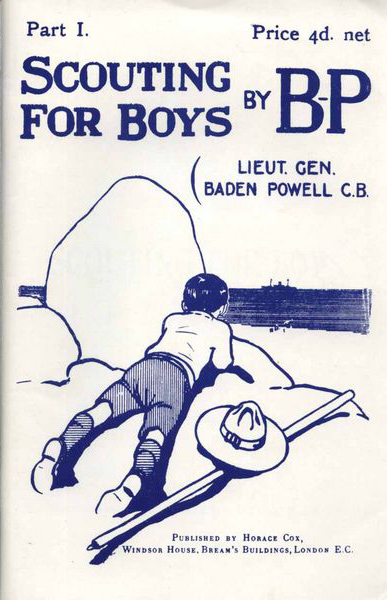
Contents and approach
The book mixes practical instruction with moral guidance. Chapters cover topics such as tracking, woodcraft, signalling, camping, knotting, first aid and patrol organisation. Baden‑Powell presented techniques through clear instructions and sketches, together with short stories and maxims designed to teach self‑reliance, teamwork and responsibility.
Publication and early reception
Baden‑Powell drew on his earlier military manual and his experiences in the field to shape the handbook. Its practical tone and the appeal of organised patrol life attracted boys in Britain and abroad; within a few years local scout groups and national organisations had formed. The success of the handbook helped formalise the Boy Scout programme and inspired parallel groups, including early organisations for girls.
Influence and legacy
Scouting for Boys influenced youth education by promoting outdoor learning, civic instruction and voluntary service. Its emphasis on small‑unit leadership, earned badges and a code of conduct shaped subsequent scouting movements and other youth organisations. The book also contributed to debates about character formation, citizenship and the role of informal education.
Criticism and later revisions
Modern readers note the book's imperial and military language, which reflected early 20th‑century attitudes. Over time, scouting programmes revised or reinterpreted many passages to reflect changing social values and to become more inclusive. Successive editions and national associations adapted the original lessons to different cultures and contemporary educational goals.
Further reading
- Primary source: original and later editions of Scouting for Boys.
- Background on the wider movement and history: Scout Movement resources.
Related articles
Author
AlegsaOnline.com Scouting for Boys — the handbook that launched the Scout Movement Leandro Alegsa
URL: https://en.alegsaonline.com/art/88168
Sources
- history.com : "Boy Scouts movement begins"