
Rush (Canadian rock band)
Canadian rock trio formed in Toronto in the late 1960s, celebrated for technical musicianship, progressive compositions, and a long career led by Geddy Lee, Alex Lifeson and Neil Peart.
Overview
Rush was a Canadian rock band that rose from the Toronto music scene in the late 1960s. Best known as a power trio, the group combined high-level instrumental skill with ambitious song structures and lyrical themes drawn from literature, philosophy and science fiction. Over several decades Rush developed a reputation for precise live performances, lengthy compositions and a blend of hard rock and progressive rock approaches. Fans and critics often cite the band for its influence on later musicians in rock and metal genres.
Image gallery
10 Images






Members and roles
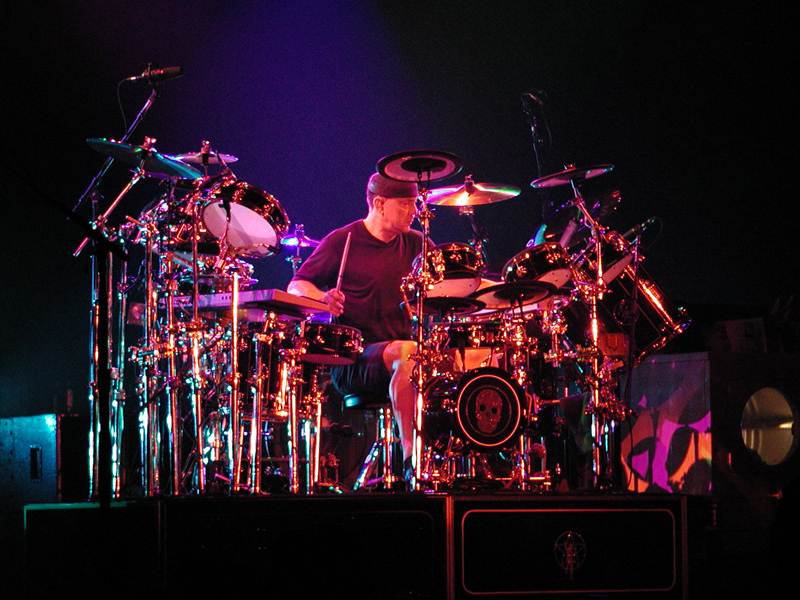
The classic and longest-serving lineup featured three core musicians: Geddy Lee (lead vocals, bass and keyboards), Alex Lifeson (guitar), and Neil Peart (drums and principal lyricist). Earlier formations included other players before the trio became permanent, but Lee, Lifeson and Peart are most often associated with the band's identity and sound.
Musical style and characteristics
Rush combined elements of hard rock, progressive rock and later synthesizer-based textures. Their music is notable for complex time signatures, extended instrumental passages, and shifts between heavy riffing and melodic sections. The band's arrangements frequently featured layered keyboards, intricate bass lines, and dynamic drumming. Listeners often recognize Rush for technical proficiency, tight ensemble playing, and songs that challenge conventional pop structures.
History and milestones
Formed in Toronto, the band evolved through the late 1960s and into the 1970s, during which it released albums that expanded its musical ambitions. Landmark records include the epic, concept-oriented work 2112 and the commercially successful Moving Pictures. In the mid-1970s the group's sound shifted toward more elaborate compositions, and later incorporated synthesizers and modern production techniques.
Impact, tours and recognition
Rush toured extensively and built a dedicated global following through energetic live shows and long-running concert tours. The band earned numerous awards in Canada and internationally, and received formal recognition when they were inducted into the Rock and Roll Hall of Fame in 2013. Critics and musicians frequently cite Rush as an important influence on progressive metal and other rock subgenres.
Legacy and notable facts
Beyond recordings and concerts, Rush is often discussed as a cultural touchstone in Canadian music history. They won multiple national awards, inspired generations of players, and are remembered for a consistent artistic identity across decades. After the death of their drummer and lyricist Neil Peart in 2020, the band ceased regular activity; members pursued separate projects and occasional collaborations. The group's catalogue continues to be rediscovered by new listeners and serves as a reference point for technical rock bands.
Selected characteristics and recordings
- Notable albums: 2112, Moving Pictures, and many later works that explored synth-driven textures.
- Musical traits: complex meters, extended instrumental sections, literate lyrics, strong live dynamics.
- Recognition: multiple national awards and international acclaim for musicianship and songwriting; induction into the Rock and Roll Hall of Fame.
For further reading, explore biographies, album analyses and concert histories that document the band’s evolving sound, stagecraft and cultural influence over more than four decades.
Related articles
Author
AlegsaOnline.com Rush (Canadian rock band) Leandro Alegsa
URL: https://en.alegsaonline.com/art/84780