
Rust in Peace — Megadeth (1990 album)
Rust in Peace is Megadeth's fourth studio album (1990), celebrated for its technical thrash style, the debut of Marty Friedman and Nick Menza, and lasting critical acclaim.
Rust in Peace is the fourth studio album by the American thrash metal band Megadeth. Released on September 24, 1990 by Capitol Records, the record marked a key moment in the band's development and is often cited as a high point of the late‑1980s/early‑1990s metal scene. The album itself is documented as Rust in Peace in discographies and remains a frequent subject of retrospectives and reissues.
Image gallery
3 Images

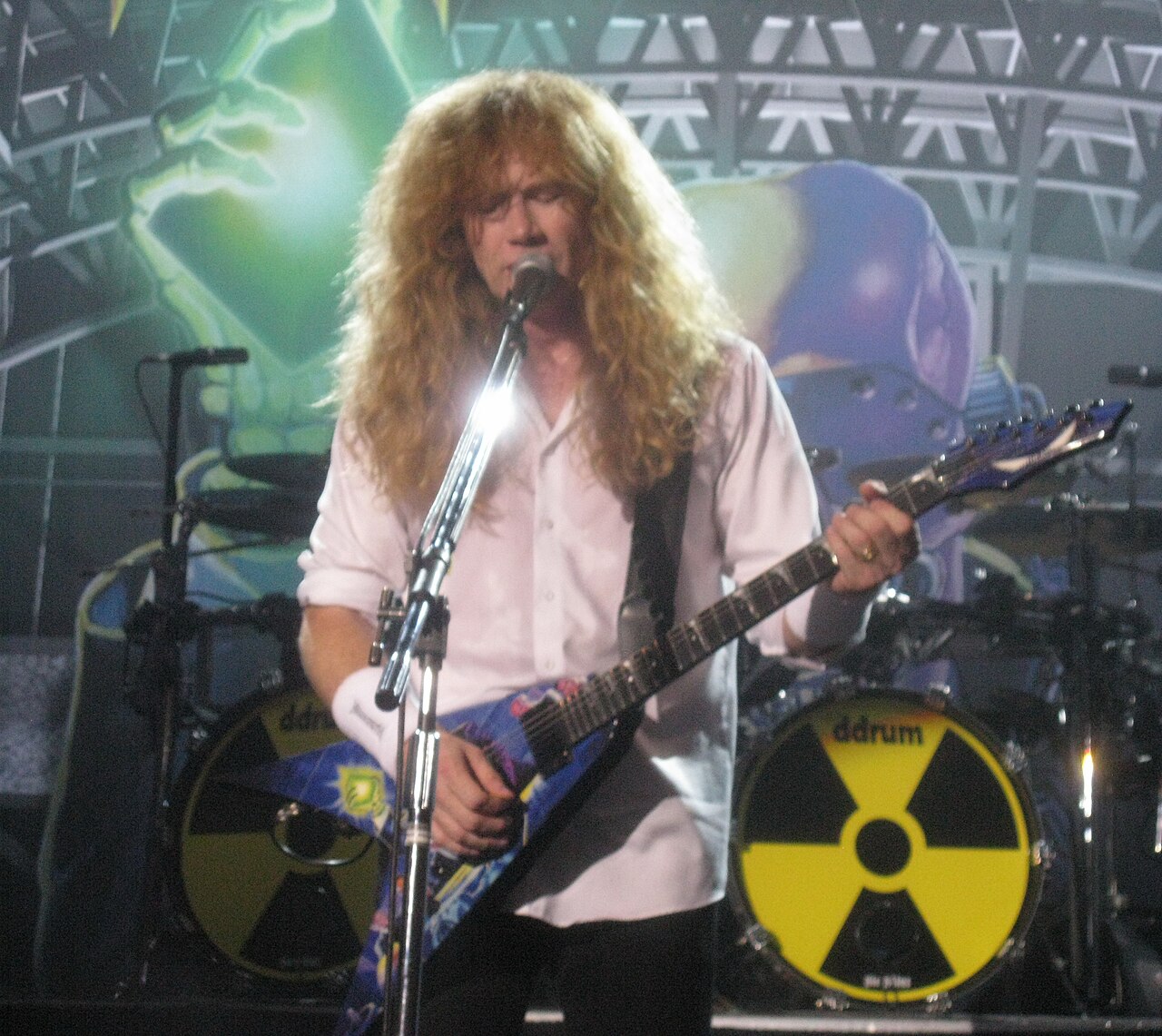
Lineup and recording context
Rust in Peace was the first Megadeth release to feature guitarist Marty Friedman and drummer Nick Menza, who joined founding member Dave Mustaine and bassist David Ellefson in shaping a new band chemistry. The change in personnel coincided with a shift toward more technically ambitious songwriting, with greater emphasis on harmonized leads, complex arrangements and precise rhythmic interplay. The new lineup helped the group move beyond straightforward aggression toward compositions that rewarded repeated listening.
Musical characteristics and notable tracks
The album blends rapid tempos, tight riffing and sophisticated guitar solos with lyrically darker themes—politics, war and personal struggle are frequent subjects. Several tracks became enduring staples in the band's live shows and among fans, including "Holy Wars... The Punishment Due," "Hangar 18," "Tornado of Souls" and the title piece "Rust in Peace... Polaris." These songs demonstrate the record's combination of melody and technical prowess, unusual for contemporaneous mainstream metal.
Reception and legacy
Upon release the album received strong praise from critics and continues to appear on many best‑of lists; publications such as Decibel and Kerrang! have included it among the most significant thrash metal records. Rust in Peace earned Megadeth a Grammy Award nomination for Best Metal Performance in 1991, reflecting both industry and fan recognition. Over time it has been lauded for influencing later metal musicians and for helping broaden the technical possibilities of the genre.
Notable facts and distinctions
- The album is often singled out for its precise musicianship and memorable melodies alongside aggressive playing.
- Its songs remain common choices in Megadeth live sets and in best‑of compilations.
- Fans and critics frequently point to the Friedman/Menza era as defining for the band's sound during this period; biographical sources and music guides reference this lineup change as pivotal (Marty Friedman & Nick Menza).
- Rust in Peace is regularly cited in album guides and genre histories as a landmark release (album entry).
Today the album is studied by guitarists and metal enthusiasts for its combination of technical skill and songwriting craft, and it remains a touchstone in discussions of how thrash metal evolved into more intricate, melody‑driven forms at the end of the 20th century.
Related articles
Author
AlegsaOnline.com Rust in Peace — Megadeth (1990 album) Leandro Alegsa
URL: https://en.alegsaonline.com/art/84864
Sources
- decibelmagazine.com : "Hall Of Fame Countdown: Megadeth's Rust In Peace"