
Rudi Dutschke: German student leader and advocate of institutional change
Rudi Dutschke (1940–1979) was a prominent spokesman of West Germany’s 1960s student movement. He promoted long-term institutional change, rejected terrorism, survived a 1968 shooting, and shaped later left-wing debates.
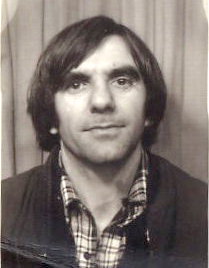
Rudi Dutschke became one of the best-known figures of the West German student movement in the 1960s. As a public spokesperson and organizer, he argued for radical social change without embracing armed struggle. Dutschke’s approach emphasized cultural and political transformation from within institutions rather than immediate violent revolution. His speeches and interviews helped popularize debates about democracy, authority and political participation among young people in postwar Germany.
Image gallery
2 Images
Views and strategy
Dutschke drew on the ideas of earlier theorists such as Antonio Gramsci and on currents of critical social theory to argue for a slow, sustained effort to transform politics and culture. He often described political change as a "long march through the institutions": encouraging activists to enter universities, media, trade unions and political parties to shift the balance of power over time. This strategy set him apart from contemporaries who later turned to urban guerrilla tactics and clandestine violence.
Role in the 1960s and the split with militants
During the late 1960s Dutschke was closely associated with student organizations and public demonstrations that challenged conservative authority, militarism and social inequality. While he inspired militant younger activists, he publicly opposed the formation of underground terrorist groups and criticized the use of indiscriminate violence. As debates within the left radicalized, a clear division emerged between those pursuing extra‑legal armed struggle and those preferring mass politics and cultural engagement.
Assassination attempt, health effects and death
In 1968 Dutschke survived an assassination attempt that severely injured him. The attack caused lasting brain injury: he needed extensive rehabilitation, including relearning speech, and developed chronic health problems that commentators have linked to later epileptic seizures. He spent the final years of his life living and working outside Germany. In 1979 Dutschke died after an epileptic seizure while at home; contemporary accounts indicate the seizure led to drowning.
Legacy and scholarly interest
Dutschke remains a contested but influential figure in the history of European radicalism. He is remembered for combining critique of capitalist society with a pragmatic insistence on building long‑term, democratic capacities within existing institutions. Historians, political theorists and activists still debate the feasibility and ethics of his "long march" strategy, and his life is often cited when discussing the moral limits of protest and the turn from mass movements to clandestine violence in the 1970s.
Further reading and resources
- Selected biography and chronology
- Collected speeches and essays
- Academic studies on the 1968 movement
- Analysis of the "long march through the institutions"
- Contemporary press coverage and archival material
- Accounts of student organizations
- Histories of European student protests
- Studies comparing non‑violent and violent leftist currents
- Texts discussing Gramsci and cultural strategy
- Reports on the 1968 assassination attempt
- Medical and biographical discussions of his injuries
- Interpretations of his influence on later activism
Related articles
Author
AlegsaOnline.com Rudi Dutschke: German student leader and advocate of institutional change Leandro Alegsa
URL: https://en.alegsaonline.com/art/84604
Sources
- baader-meinhof.com : "The Limits of Violence"
- themidnightsun.org : "Gramsci: A Method to the Madness"