
Rudolf Anderson Jr.: U-2 pilot killed during the Cuban Missile Crisis
Rudolf Anderson Jr., a USAF pilot and U-2 reconnaissance aviator, was the only combat fatality of the Cuban Missile Crisis after his aircraft was downed over Cuba on October 27, 1962.
Rudolf Anderson Jr. (September 15, 1927 – October 27, 1962) was a pilot and commissioned officer who flew high-altitude reconnaissance missions for the United States Air Force. He is widely remembered for being the only person killed by enemy action during the Cuban Missile Crisis, a confrontation between the United States and the Soviet Union in October 1962 that brought the world close to nuclear war. His death underscored the dangers of aerial reconnaissance and helped shape subsequent rules of engagement and reconnaissance procedures.
Image gallery
9 Images



Background and career
Anderson served as a U-2 pilot, flying the specialized single-seat, high-altitude spy plane used for photographic and electronic intelligence collection. The U-2's performance at extreme altitudes made it a central tool for Cold War surveillance. Over the late 1950s and early 1960s, pilots like Anderson conducted missions that provided strategic information on Soviet and allied activities. The aircraft type he flew on his final mission is often referenced as the U-2; contemporary accounts and records identify his specific aircraft as a U-2F with a noted service number and prior CIA designation.
Mission of October 27, 1962 and loss
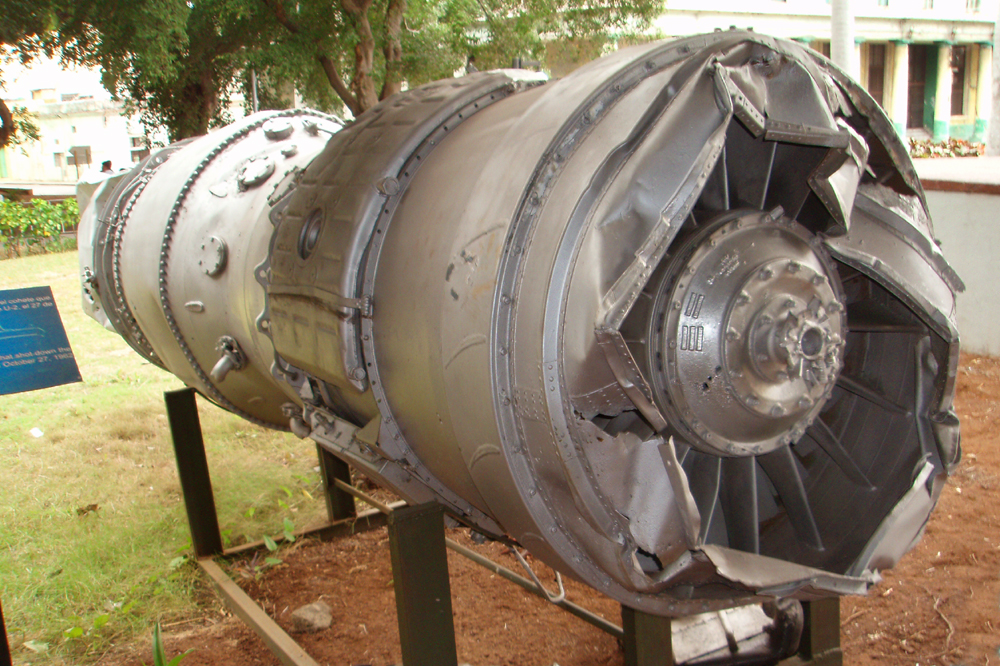
On October 27, 1962, Anderson departed from a forward operating location and climbed to the high altitudes used for U-2 surveillance. During that mission he was shot down over Cuba. Investigations at the time concluded that a Soviet-supplied S-75 Dvina surface-to-air missile (NATO reporting name SA-2 Guideline) fired from Cuban territory was the most likely cause of the aircraft's destruction, although initial reports considered pilot hypoxia as an alternative explanation. The official accounts and contemporaneous intelligence assessments noted that fragments from a proximity-fused warhead punctured Anderson's pressure suit, leading to fatal decompression while he was at altitude.
Descriptions of the flight note the aircraft took off from a staging base in Florida; many histories identify the departure point as McCoy Air Force Base near Orlando. Primary source summaries and later historical reviews cite the location of the shoot-down near Banes in eastern Cuba, and memorialize the date as part of the critical events of the crisis.
Significance and aftermath
Anderson's death had immediate diplomatic and military consequences. It intensified the gravity of the Cuban Missile Crisis and contributed to the urgency of high-level negotiations between American and Soviet leadership. As the only direct combat casualty of the crisis, his loss is frequently cited in discussions of Cold War escalation risks and in studies of aerial reconnaissance policy. The incident also prompted reviews of U-2 operational procedures, pressure-suit design, and tactics for minimizing exposure to air defenses.
Legacy and remembrance
- Anderson is commemorated in military histories of the Cuban Missile Crisis and in memorials to U-2 aircrews.
- His case is often used in analyses of the risks associated with manned strategic reconnaissance versus other intelligence collection methods.
- Debates about responsibility and the tactical circumstances of the shoot-down have drawn on contemporaneous intelligence assessments and later declassified material.
For those seeking further details about Anderson's service, mission records, and the technical aspects of the engagement, consult official histories and archives. Relevant entries and documents are often linked from military and intelligence history collections, including sources identified by the abbreviations and references appearing in primary summaries of the event: casualty note, U-2 aircraft, incident over Cuba, operating base, and discussions of pilot hypoxia and other factors considered in post-event analyses.
Questions and answers
Q: Who was Rudolf Anderson Jr.?
A: Rudolf Anderson Jr. was a pilot and commissioned officer in the United States Air Force.
Q: What happened to Rudolf Anderson Jr. during the Cuban Missile Crisis?
A: Rudolf Anderson Jr. was the only person killed by enemy fire during the Cuban Missile Crisis when his U-2 spy aircraft was shot down over Cuba.
Q: When did Rudolf Anderson Jr. take off in his U-2F?
A: Rudolf Anderson Jr. took off in his U-2F on October 27 from a forward operating location at McCoy Air Force Base in Orlando, Florida.
Q: How was Rudolf Anderson Jr.'s aircraft shot down?
A: Rudolf Anderson Jr.'s aircraft was shot down by a Soviet-supplied S-75 Dvina surface-to-air missile near Banes, Cuba.
Q: What was the cause of Rudolf Anderson Jr.'s death?
A: Rudolf Anderson Jr. was killed when shrapnel from the exploding proximity warhead punctured his pressure suit, causing it to decompress at high altitude.
Q: Why is Rudolf Anderson Jr.'s death significant?
A: Rudolf Anderson Jr. was the only person killed by enemy fire during the Cuban Missile Crisis, making his death significant.
Q: What does the CIA document dated October 28, 1962 say about the cause of Rudolf Anderson Jr.'s death?
A: The CIA document dated October 28, 1962 suggested that the loss of the U-2 over Banes was probably caused by intercept by an SA-2 from the Banes site, or pilot hypoxia, with the former appearing more likely on the basis of present information.
Related articles
Author
AlegsaOnline.com Rudolf Anderson Jr.: U-2 pilot killed during the Cuban Missile Crisis Leandro Alegsa
URL: https://en.alegsaonline.com/art/84610