
Spokesperson: role, responsibilities, history and types
A spokesperson speaks for an organization, person, or cause, managing media relations, public statements and crisis communication; roles range from press secretaries to celebrity ambassadors.
Overview
A spokesperson is an individual authorized to communicate on behalf of another person, group, organization or brand. The role can be formal or informal, paid or voluntary, and may be filled by an employee, a contracted public relations professional, an elected official, a celebrity endorser or a community advocate. A spokesperson conveys official positions, explains decisions, answers media inquiries and helps shape public understanding while coordinating with staff and legal advisers.
Image gallery
1 Image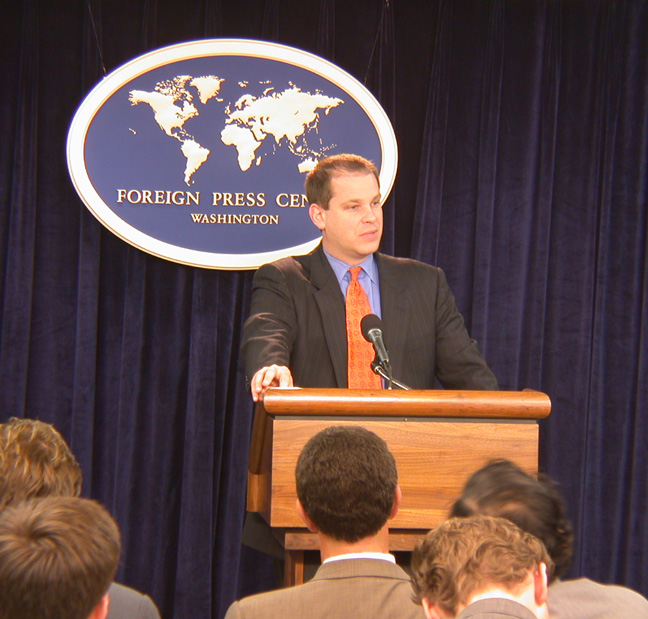
Core responsibilities and skills
Responsibilities commonly include drafting and delivering statements, organizing and leading press briefings, preparing leaders for interviews, responding to media and public queries, and participating in crisis response. Effective spokespeople rely on a blend of practical and professional skills:
- Communication: clear verbal and written expression tailored to different audiences.
- Media literacy: knowledge of how journalists and newsrooms operate and how narratives develop.
- Crisis management: capacity to respond rapidly and calmly under pressure.
- Message discipline: maintaining consistency with organizational priorities and legal constraints.
- Ethical judgment: balancing transparency, confidentiality and public interest.
Types and contexts
Spokespeople serve in varied settings. Typical categories include corporate spokespeople who represent companies and brands; political spokespeople or press secretaries who brief journalists for politicians or government bodies; public relations professionals working for agencies or in-house teams; celebrity or athlete ambassadors who combine endorsement with public comment; and nonprofit or community spokespeople advocating on social, humanitarian or environmental issues.
History and development
The practice of speaking for others long predates modern media, but a distinct professional role emerged with the growth of newspapers, advertising and organized public relations in the 19th and 20th centuries. Radio and television increased the immediacy and visibility of official messages. The internet and social media have further diversified who can act as a spokesperson and accelerated the pace at which information must be managed.
Selection, training and practical considerations
Organizations select spokespeople by weighing credibility, clarity, availability and institutional knowledge. Training often includes media coaching, message development, mock interviews and legal briefings. Preparing clear talking points, rehearsing difficult questions and coordinating with communications, legal and executive teams helps reduce risk and maintain consistency.
Legal, ethical and reputational issues
Spokespeople must be mindful of legal constraints such as confidentiality obligations and regulatory disclosure rules. Ethical expectations include accuracy, avoidance of conflicts of interest and transparent disclosure of paid endorsements or personal ties. A spokesperson conveys approved messaging but does not necessarily make policy decisions; their effectiveness depends on trust, competence and alignment with organizational values.
Modern challenges
In the digital age, rapid rumor cycles, user-generated content and multiple platforms require spokespeople to work across traditional and social channels. Organizations increasingly adopt coordinated strategies that combine a designated spokesperson with broader spokespeople networks, allowing subject-matter experts, executives and community representatives to speak within defined boundaries.
Related articles
Author
AlegsaOnline.com Spokesperson: role, responsibilities, history and types Leandro Alegsa
URL: https://en.alegsaonline.com/art/92760