
Emerald (gemstone)
Emerald is the green variety of beryl prized as a gemstone. This article explains its composition, color and clarity, history and major sources, treatments, uses, and how its value is judged.
Overview
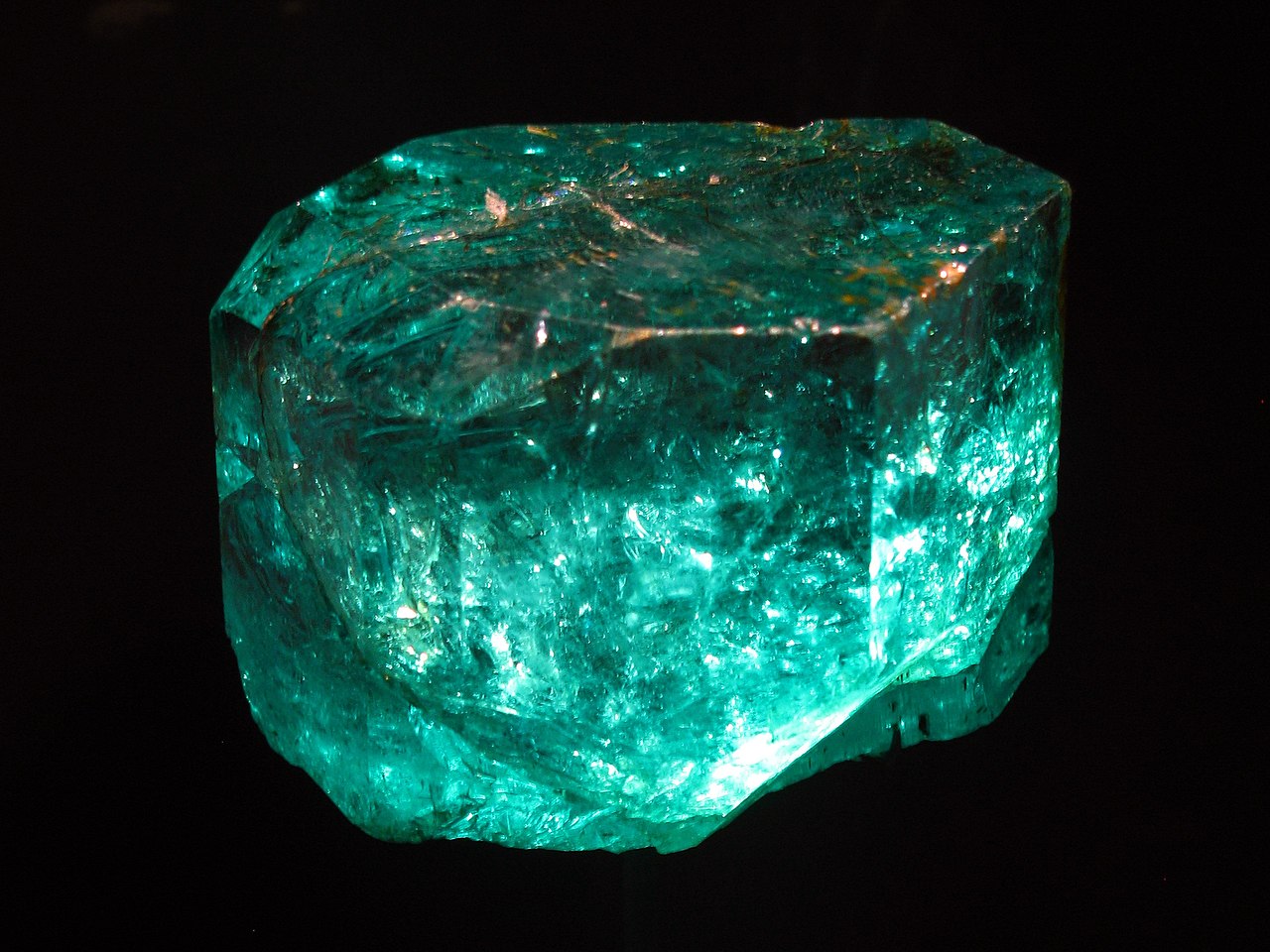
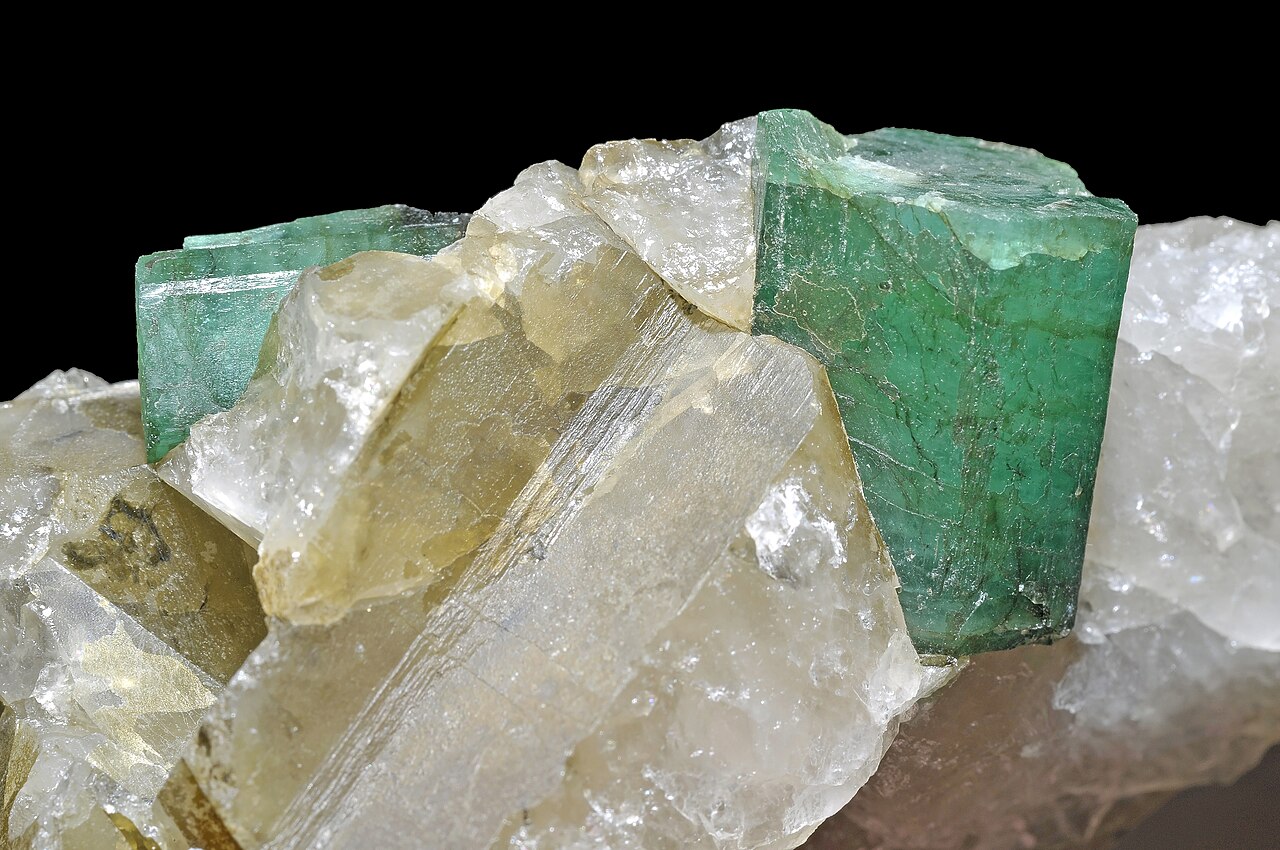
An emerald is the green gem-quality variety of the mineral beryl. As a subtype of beryl, emerald shares the same basic chemical family but is distinguished by its green color, which comes from traces of chromium and sometimes vanadium. It has been valued for millennia as a jewelry stone and cultural symbol. The emerald is traditionally recognized as the birthstone for May and appears in lists of the world’s most prized gems alongside the ruby, opal, topaz, diamond, and sapphire.
Image gallery
10 Images






Composition and Physical Properties
Emerald is a beryllium aluminum silicate. Its formal mineral name is beryl, and the green coloration is caused primarily by chromium or vanadium impurities. It crystallizes in the hexagonal system and typically forms prismatic crystals. Hardness on the Mohs scale is about 7.5–8, which makes emerald durable enough for many types of jewelry but more prone to fracture than harder gems because of internal features.
Color, Clarity, and Treatments
Color is the single most important factor in assessing emeralds: the most desirable stones show an intense, vivid green with good saturation and medium to dark tone. Natural emeralds commonly contain inclusions and fractures known as "jardin" (French for garden); these are considered characteristic rather than disqualifying. To improve appearance and stability, many emeralds undergo treatments such as oiling or filling with resins, a widely accepted and long-standing practice in the trade when disclosed to buyers.
History, Sources, and Notable Localities
Emeralds have been mined and admired since ancient times, with early sources in Egypt mentioned in classical sources. Today, significant commercial supplies come from several countries. Major localities include:
- Colombia: historically famed for deep green, richly saturated stones.
- Brazil: varied colors and sizes, often lighter tones and larger crystals.
- Zimbabwe and Zambia: notable African sources producing strong green gems.
- Russia and Afghanistan: smaller but historically important deposits.
Each locality can produce stones with distinct color and inclusion patterns that influence their market appeal.
Uses and Value
Emeralds are primarily used in jewelry—rings, necklaces, earrings, and bracelets—and are also kept by collectors and investors. Value is assessed by color, clarity, cut, and carat weight, with color and clarity often ranking highest. Fine Colombian emeralds with vivid green color and minimal inclusions command the highest prices in the market. Because many fine emeralds are included, clarity is judged more leniently than for gems such as diamonds.
Distinctions and Notable Facts
Emerald should not be confused with green varieties of other minerals; for example, green beryl that lacks sufficient color is simply called green beryl rather than emerald. Care for emerald jewelry typically requires avoiding abrupt temperature changes and hard knocks; professional maintenance may include re-oiling or stabilization. For general mineral context see mineral references and gemology resources such as birthstone guides or specialist literature at color and crystal overviews. Further reading and supplier information can be found through gemological organizations and specialist books (beryl studies and trade publications).
Questions and answers
Q: What is an emerald?
A: An emerald is a mineral gemstone and a variety of beryl.
Q: What is the meaning of the emerald birthstone?
A: It is the birthstone of someone whose birthday is in the month of May.
Q: What color is an emerald?
A: It is a green crystal.
Q: What are some of the most valuable gems?
A: The emerald is one of the most valuable gems, along with the ruby, the opal, topaz, the diamond, and a sapphire.
Q: What is the value of an emerald compared to other gems?
A: The emerald is one of the most valuable gems.
Q: Is every green crystal an emerald?
A: No, only the green crystals that are a variety of beryl are emeralds.
Q: What are some other characteristics of an emerald?
A: There are no specific characteristics mentioned in the text, except that it is a green crystal and one of the most valuable gems.
Related articles
Author
AlegsaOnline.com Emerald (gemstone) Leandro Alegsa
URL: https://en.alegsaonline.com/art/31107
Sources
- mindat.org : "Emerald at Mindat"
- etymonline.com : "Online Etymology Dictionary"