
Rubber Soul (1965): The Beatles' Transformative Album
Rubber Soul is the Beatles' sixth studio album, released in 1965. This article covers its recording, musical direction, editions, notable songs, instruments and lasting influence on popular music.
Rubber Soul is the sixth studio album by the English rock group the Beatles. Issued in the United Kingdom on 3 December 1965 by EMI's Parlophone label, the release was accompanied by the double A-side single "Day Tripper" / "We Can Work It Out". A contemporaneous North American edition, prepared by Capitol Records, differed in running order and track selection. Upon release the album won widespread attention from both audiences and critics, reaching high positions on sales charts in multiple countries.
Image gallery
7 Images




Background and recording
The sessions for Rubber Soul took place in the autumn of 1965 at EMI's Abbey Road studios in London. Working with producer George Martin, the band recorded and overdubbed parts in a compact schedule over several weeks. The period saw the Beatles moving away from the single-driven model of their earlier years and experimenting with studio techniques that shaped the album’s cohesive tone.
Musical style and themes
Rubber Soul marked a notable stylistic shift. Songs blend elements of folk rock with pop, touches of soul and strands of traditional folk songwriting. The lyrics became more introspective and adult in perspective, exploring relationships and self-reflection rather than the straightforward love-song formulas of the band's earliest hits.
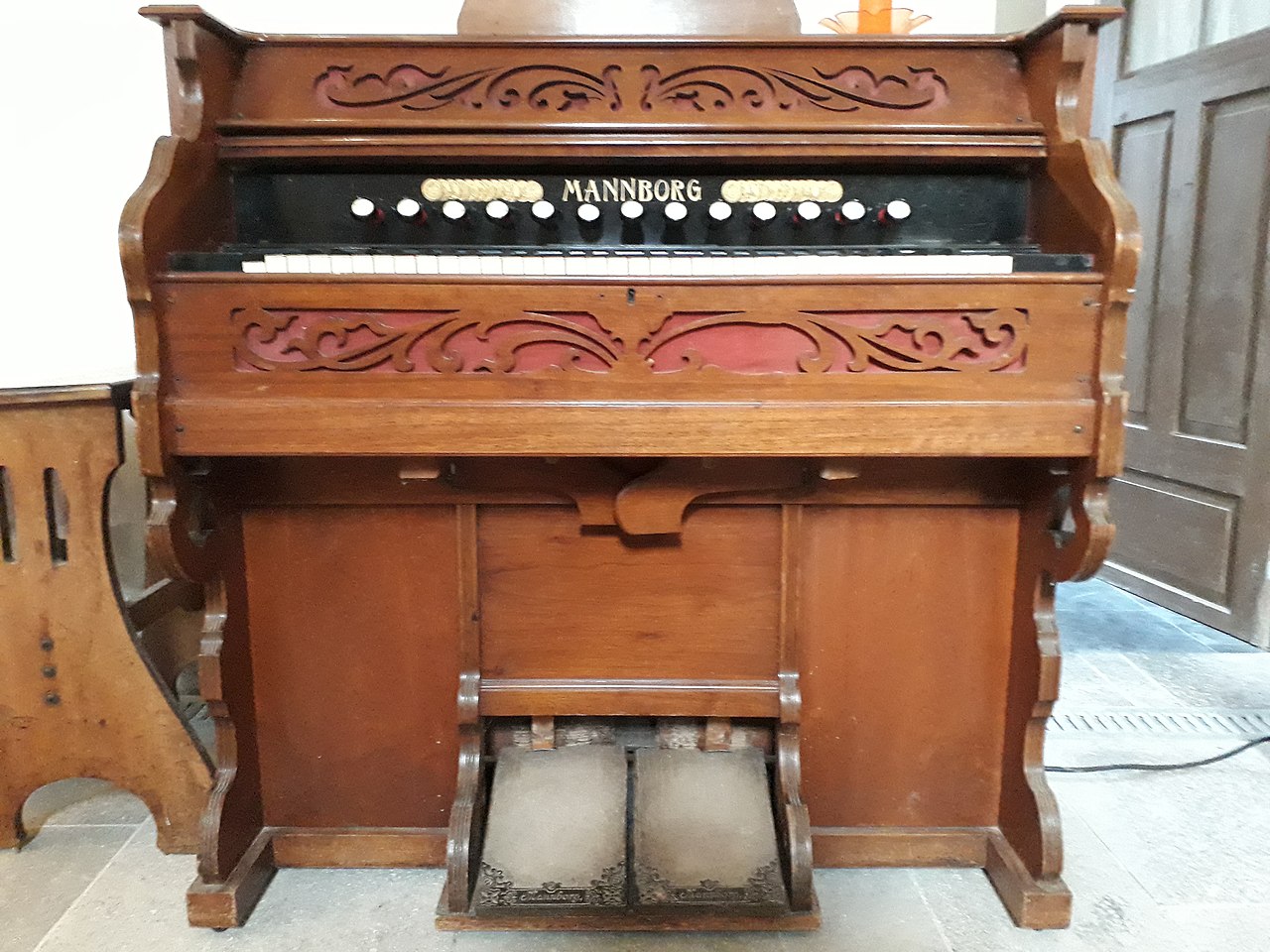
- Instrumentation expanded beyond the standard rock line-up to include harmonium, tambourine, and creative studio treatments.
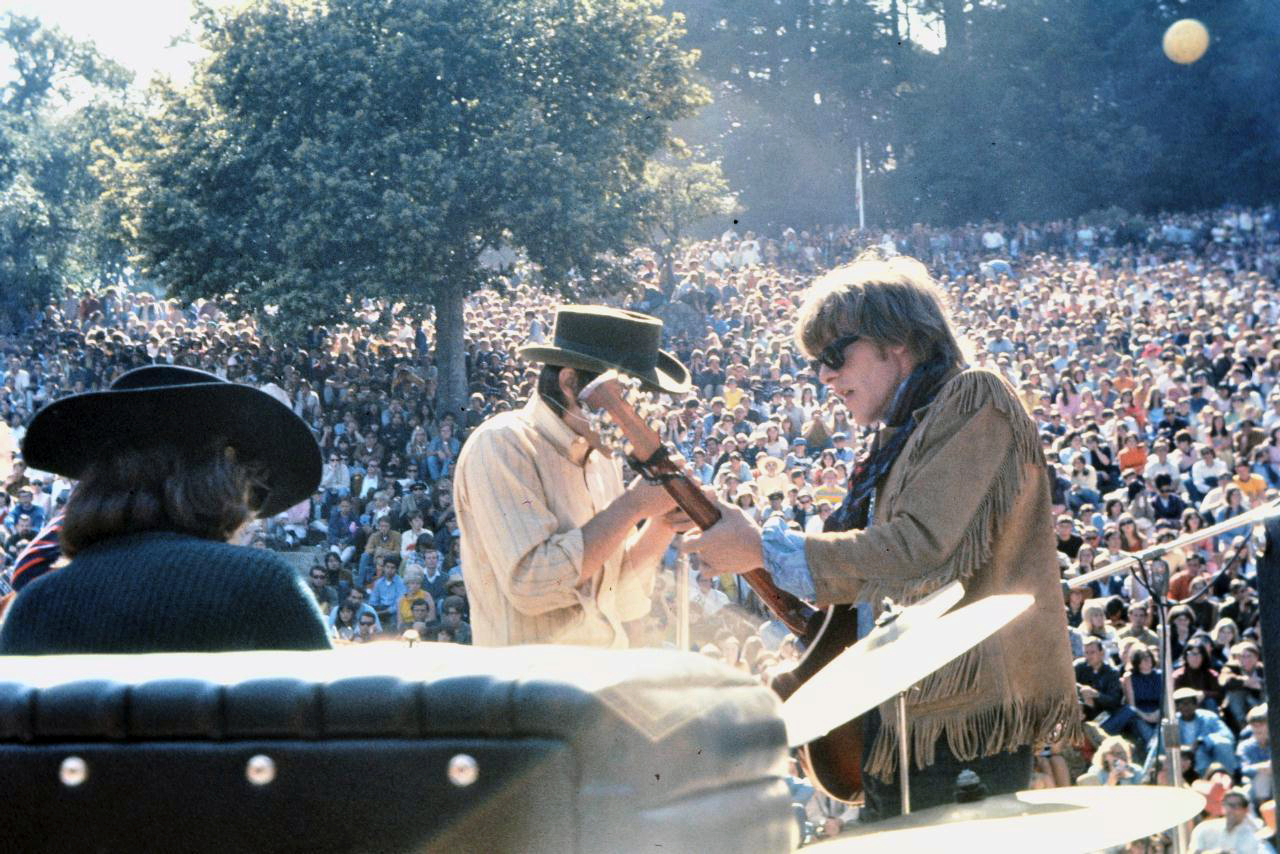
- Guitar work on the record is noted for brighter, twangier tones and inventive phrasing that helped define the album’s sound (guitar).
- George Harrison introduced non-Western elements such as the sitar on certain tracks, foreshadowing later explorations (sitar).
Versions and notable songs
Different national editions led to variations in track listings; the British Parlophone release contained fourteen tracks while the original Capitol issue in the United States omitted several songs and altered sequencing to fit the market conventions of the time. Notable pieces associated with the Rubber Soul era include "Norwegian Wood (This Bird Has Flown)", "In My Life" and "Drive My Car", which together illustrate the album’s mix of melodic invention and lyrical maturity.
Reception and legacy
Contemporary reviewers praised Rubber Soul for its songwriting growth and cohesive artistic direction. In retrospect, historians and musicians view the album as a turning point: it helped establish the album as a serious artistic statement in popular music and influenced subsequent works by the Beatles and other artists. Its combination of acoustic textures, studio experimentation and varied influences anticipated further developments in folk-rock and psychedelic music.
Distinctive features and continuing significance
Beyond individual songs, Rubber Soul is often highlighted for how it balanced commercial accessibility with studio ambition. The record’s arrangements, choice of instruments and tighter songwriting set a template the band expanded on in later albums. While scholars debate the precise causes behind its creative shifts, the album remains widely cited for its role in the Beatles’ evolution and for its wider impact on 1960s popular music.
rock • the Beatles • United Kingdom • EMI • North American • Capitol Records • critics • London • folk rock • pop • soul • folk • guitar • sitar
Related articles
Author
AlegsaOnline.com Rubber Soul (1965): The Beatles' Transformative Album Leandro Alegsa
URL: https://en.alegsaonline.com/art/84554
Sources
- digital.library.unt.edu : "Show 35 - The Rubberization of Soul: The great pop music renaissance"