
Rudolph the Red-Nosed Reindeer
Fictional reindeer created in 1939 whose glowing red nose and story of acceptance became a Christmas classic through booklets, a hit song and a beloved TV special.
Overview
Rudolph the Red-Nosed Reindeer is a fictional reindeer character known for a luminous red nose. First introduced in a 1939 story booklet, Rudolph’s tale centers on an outcast young reindeer who is mocked by his peers until he uses his unusual nose to help Santa Claus on a foggy night, becoming a symbol of acceptance in the Christmas season.
Image gallery
4 Images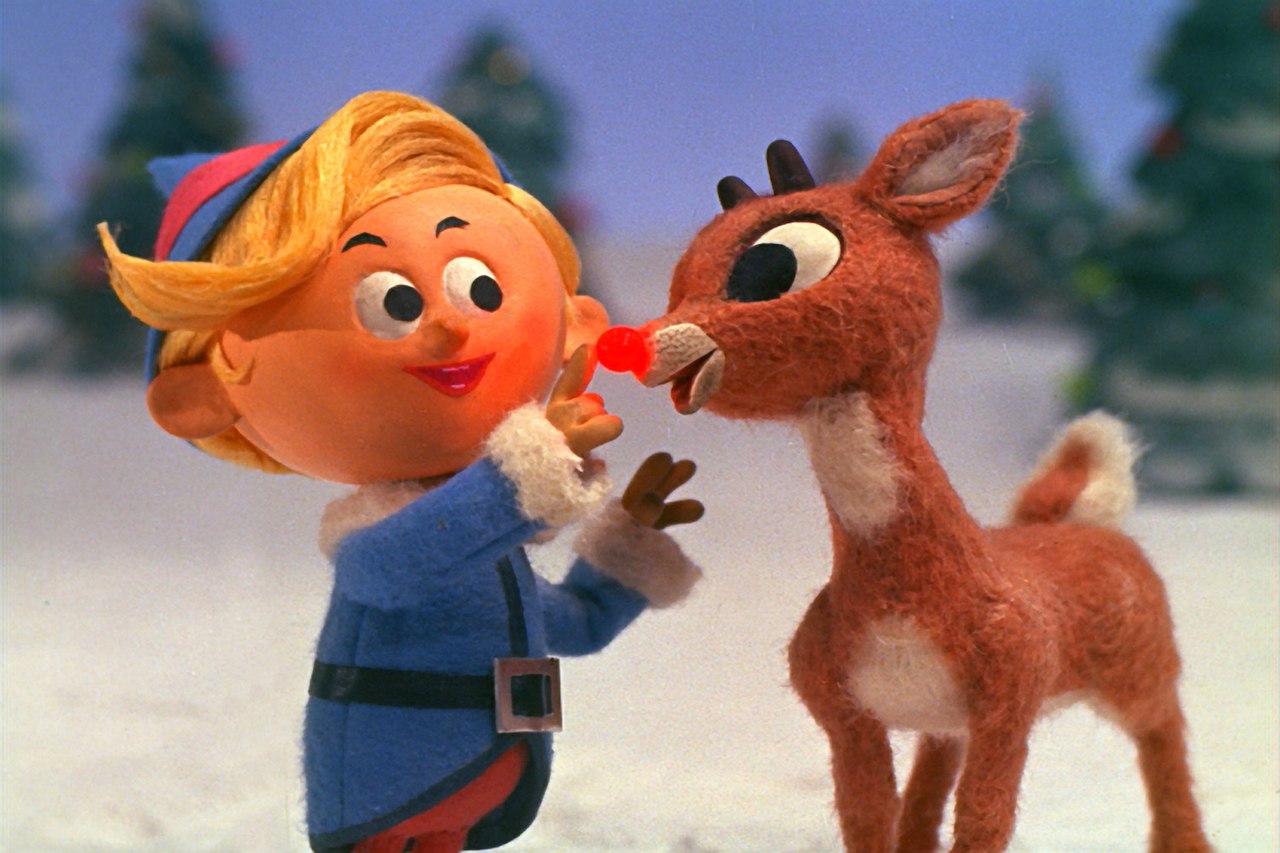


Characteristics and themes
Rudolph is typically portrayed as gentle, shy and brave. The red nose—often depicted as glowing like a beacon—serves as both a physical trait and a moral device: it turns an apparent defect into a strength. The story highlights themes of bullying, belonging, individual worth and redemption, which are emphasized in most retellings and adaptations.
Origin and early development
The character was created in 1939 as a short illustrated booklet distributed by a department store. The story gained wider popularity a decade later when songwriter Johnny Marks adapted it into a song. That recording, performed by Gene Autry, became a commercial success and helped establish Rudolph as a holiday staple.
Music, media and adaptations
Rudolph has appeared across many media. The signature song has been covered by major artists over the years, including Bing Crosby, Dean Martin, Barry Manilow and The Supremes. A 1960s stop-motion television special further cemented the character’s place in popular culture, and since then Rudolph has been adapted into stage shows, books, animated films and seasonal merchandise.
Cultural impact and uses
Rudolph functions as both an entertainment figure and a cultural emblem during the holidays. He appears in parades, advertising, greeting cards and decorations, and is often used in educational or charity programs to teach kindness. The character’s journey from store booklet to international icon is an example of how modern folklore can emerge and spread through commercial, musical and broadcast media.
Notable distinctions and facts
- Originally a corporate promotion, Rudolph became integrated into broader Christmas traditions through song and television.
- The character’s popularity shows how narrative, music and visual media can reshape seasonal customs.
- Rudolph is frequently cited in discussions about merchandising and the commercialization of holiday figures.
Related articles
Author
AlegsaOnline.com Rudolph the Red-Nosed Reindeer Leandro Alegsa
URL: https://en.alegsaonline.com/art/84628