
EMI: History and Influence of a Major Record Company
Overview of EMI (Electric and Musical Industries), its development, major labels and artists, key acquisitions and regulatory breakup, and its legacy in the recorded-music industry.
EMI was a prominent international record company formed in 1931 as Electric and Musical Industries. For much of the 20th century it operated as a major global music corporation and later managed the commercial arm known as EMI Music. Headquartered as an international corporation with significant operations in London and New York, EMI combined recorded-music labels, artist management and music publishing under one roof and became one of the dominant forces in the modern music business.
Image gallery
8 Images

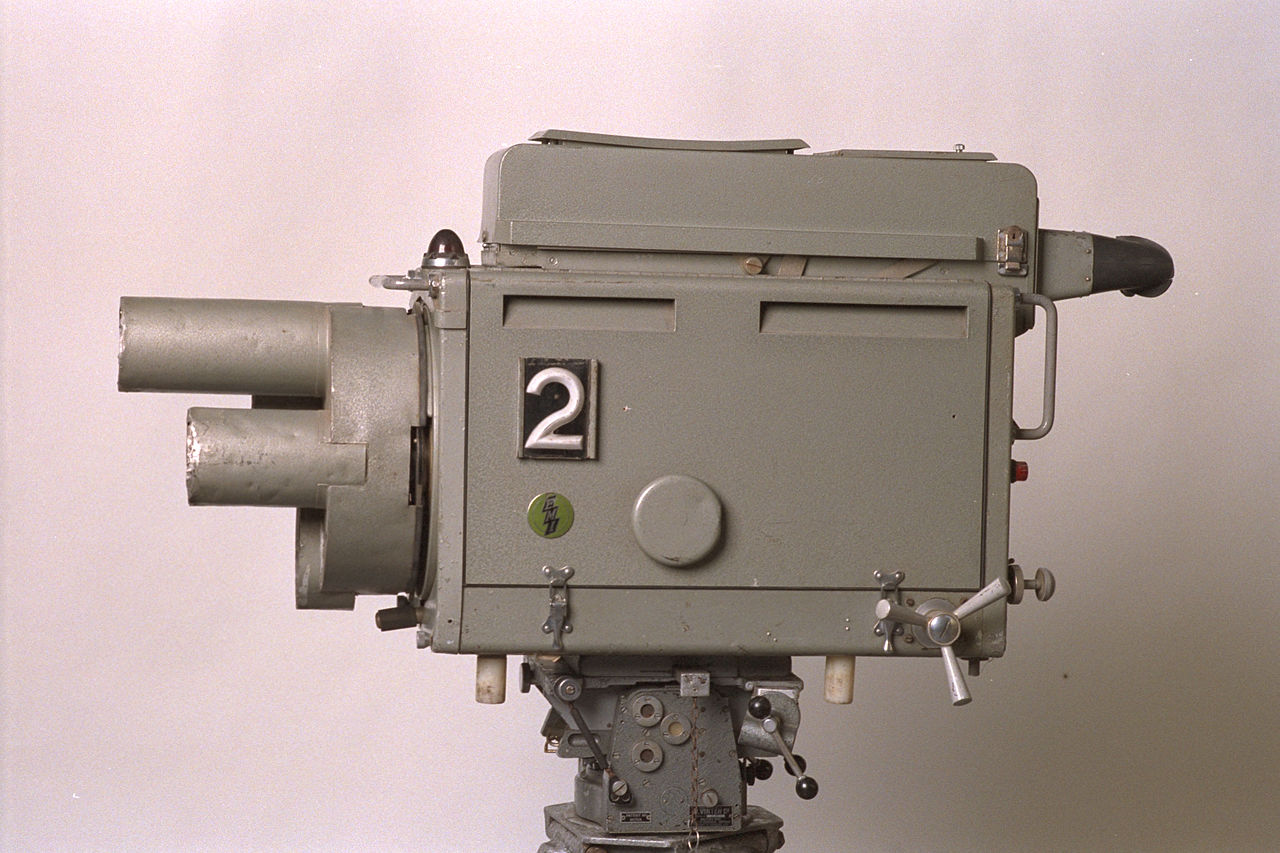


Structure and principal labels
EMI's organization included multiple subsidiary labels, each with distinct histories and rosters. It acquired important imprints to broaden its geographical reach: in 1957 it acquired Capitol Records, a major American label, while later purchases added youth- and genre-focused brands. One of EMI's most famous in-house labels was Parlophone, which played a central role in the company's popular-music success. The company also owned and operated recording facilities and publishing divisions that licensed compositions and controlled copyrights.
Key milestones in development
- 1931: Formation as Electric and Musical Industries, later known by the acronym EMI.
- 1957: Purchase of Capitol Records, strengthening EMI's presence in the United States.
- 1962: Signing of The Beatles to Parlophone, an association that transformed popular music and elevated EMI's global profile.
- 1970s–1990s: Expansion across genres and markets; investment in studios such as Abbey Road and other facilities often described as a principal recording complex in London.
- 1992: Acquisition of Virgin Records from Richard Branson.
EMI courted further consolidation in later decades and was reported as a potential buyer or target in several deals, including discussions involving Universal Music Group. In 2007 the company changed hands when the private-equity group Terra Firma completed a takeover after competing bids from industry buyers such as Warner Music Group.
Artists and cultural impact
EMI's roster has included a wide range of influential performers. Besides The Beatles, notable acts associated with EMI labels have included Prince, Pink Floyd, the Spice Girls and Coldplay. The company's recorded output and its studios contributed to landmark albums and developments in recording technology and production techniques. EMI also played a significant role in the growth of the album market, international promotion of pop and rock, and the consolidation of music rights and publishing practices.
Sale, regulatory decisions and legacy
Financial pressures and industry changes led to EMI's eventual breakup. In 2012 Universal Music Group agreed to acquire the recorded-music arm, but the deal prompted review by the European Commission and other authorities concerned with competition. Regulators required divestments: for example, the historic Parlophone catalogue was sold to Warner Music Group (Parlophone buyer), while other imprints and publishing assets were transferred to different owners. EMI's publishing operations were sold to a consortium that included existing global music publishers, reflecting the separation of recorded-music labels from music publishing as distinct business units.
Today EMI's name survives in various forms and many of its catalogs are controlled by other major music companies. Its legacy persists through landmark recordings, iconic studios such as Abbey Road, and the business practices it helped establish in artist development, international distribution and music rights management. For further reading on specific labels, artists and legal outcomes related to EMI, see entries dedicated to those topics and related corporate histories available through industry archives and music-business analyses.
Selected references and related topics: corporate history, the evolution of major record companies, the role of publishing in artist income, and the cultural impact of EMI-era recordings.
Related articles
Author
AlegsaOnline.com EMI: History and Influence of a Major Record Company Leandro Alegsa
URL: https://en.alegsaonline.com/art/31135
Sources
- news.bbc.co.uk : Profile: British music giant EMI