
Royal Victorian Order
A dynastic British order of knighthood created by Queen Victoria in 1896 to recognise personal service to the sovereign. It is awarded at the monarch’s personal discretion and includes several grades and a medal.
The Royal Victorian Order is a British order of knighthood instituted to recognise distinguished personal service to the sovereign or to the royal family. It differs from many other honours because appointments are made at the personal discretion of the monarch rather than on the advice of ministers: the Prime Minister does not recommend recipients. The order remains one of the principal means by which members of the royal household, officials who assist the sovereign during state business, and others who support royal duties are rewarded.
Image gallery
5 Images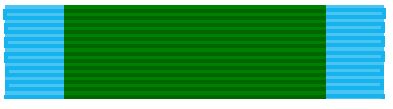




Grades and related decorations
The order is structured in several grades, each with its own insignia and style. In descending order of precedence the principal grades are:
- Knight or Dame Grand Cross (GCVO) — the highest class, with elaborate star and sash.
- Knight or Dame Commander (KCVO / DCVO) — senior knights and dames of the order.
- Commander (CVO) — a mid-ranking award for significant service.
- Lieutenant (LVO) — formerly described as Member, 4th class.
- Member (MVO) — formerly Member, 5th class, for valuable service.
Separately linked to the order is the Royal Victorian Medal (RVM), often issued in silver or bronze to reward personal service of a more hands-on or long-serving character. Insignia for the order and medal are traditionally worn on ceremonial occasions and vary by grade.
History and purpose
The order was founded in April 1896 by Queen Victoria as a means to reward personal service rendered to her. From the start it emphasised the monarch’s private gratitude, and it has continued as a personal gift of the sovereign under successive reigns. Its motto, adopted at foundation, is simply Victoria, reflecting its origin.
Investitures, foreign recipients and ceremonies
A distinctive feature of the Royal Victorian Order is that appointments may be made during private audiences, investitures at royal residences, or while the sovereign is on state visits overseas. On such occasions foreign nationals who have assisted during visits or who have provided services to the sovereign may be admitted to the order. For example, early recipients during Queen Victoria’s travels included officials from the French Riviera such as the prefect of the Alpes-Maritimes and the mayor of Nice.
Investitures are frequently carried out by the sovereign in person, or by a senior member of the royal family acting on behalf of the monarch. The order’s chapel is the Queen’s Chapel of the Savoy, a Royal Peculiar historically tied to the Duchy of Lancaster, though services connected with the order are sometimes held in larger royal chapels such as St George’s Chapel, Windsor Castle when space or scheduling requires.
Distinctive features and modern practice
Unlike many state honours, the Royal Victorian Order is strictly in the monarch’s personal gift: it shares this characteristic with older chivalric houses such as the Order of the Garter and the Order of the Thistle, which are also sovereign appointments (Garter, Thistle). Appointments can recognise long service within the royal household, notable support during official engagements, or exceptional assistance on diplomatic and representational duties. Members of the royal family themselves are often included among recipients, and the order continues to function as a visible expression of royal thanks.
For further official information and lists of members consult an authoritative source or the sovereign’s published honours lists and announcements; the order and its practices are described in official notices and ceremonial guides (official description, The Queen, the Monarchy). The Royal Victorian Order therefore remains both a historical creation of the late 19th century and a living element of contemporary royal honours and ceremonial life.
Questions and answers
Q: What is the Royal Victorian Order?
A: The Royal Victorian Order is a British honour given by The Queen to people who have served her, or the Monarchy personally.
Q: Who suggests who should receive the award?
A: Unlike the Orders of the Garter and Thistle, the Prime Minister does not suggest who should get the honour.
Q: When was it created?
A: It was created in April 1896, by Queen Victoria, as a way of rewarding personal service to her.
Q: How are awards presented today?
A: Today, people receive their award either privately from The Queen or another member of the Royal Family, or during an investiture. Often, and on a State Visit, the Queen will invest people in the country visited before returning to the UK.
Q: Who were some of first foreigners to be awarded with this order?
A: The first foreigners to get the Order were the Prefect of Alpes Maritimes and Mayor of Nice during Queen Victoria's visit to south France in 1896.
Q: Where is Chapel for this Order located?
A: The Chapel for this Order is located at The Queen's Chapel of Savoy which is a 'Royal peculiar' that for historic reasons is in private possession of Sovereign as Duke of Lancaster.
Q: Where does service take place now for those who have been given this award? A:The service now takes place at St George's Chapel Windsor Castle every four years due to size constraints at Savoy Chapel
Related articles
Author
AlegsaOnline.com Royal Victorian Order Leandro Alegsa
URL: https://en.alegsaonline.com/art/84521
Sources
- royal.gov.uk : Royal Gov website
- direct.gov.uk : Order of Wear
- commons.wikimedia.org : Royal Victorian Order