
Silver medal (second-place award)
A silver medal is the award customarily given to the runner-up in many contests. This entry explains its purpose, materials and design, historical development, awarding rules, and cultural significance.
An silver medal is the decoration most commonly given to the competitor or team that finishes in second place in a contest. It functions as a formal recognition of high performance across many fields, most visibly in international sport but also in academic, military and civic awards. While gold signifies the winner and bronze the third place, the silver medal marks the immediate runner-up and carries both symbolic and practical value.
Image gallery
1 Image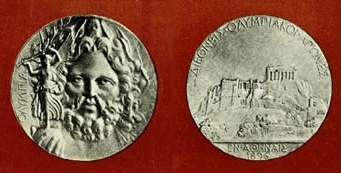
Design and composition
Physical silver medals vary widely. Some are struck from a high-silver alloy or sterling silver, others are made from base metal with a silver plating. Typical details include the event name or emblem, the year, an indication of the placing, and sometimes artistic motifs tied to the host organization. Larger multi-sport events commission bespoke designs; smaller competitions may use stock blanks with engraved inscriptions.
History and conventions
The custom of awarding distinct medals for first, second and third places developed with organized modern sport and international competitions. The practice is well established at flagship events such as the Olympic Games and the Commonwealth Games, where standardized protocols determine who receives which medal, how duplicates are handled, and how team members are recognized.
- Ties: events that end in exact ties may award duplicate silver medals (and omit a bronze in some systems) or use tie-breaking procedures.
- Teams: team sports and relays normally give a medal to each registered team member, not just the captain.
- Reproductions and collectors: commercial replicas and commemorative versions are common for fans and souvenir markets.
Cultural and psychological significance
Beyond material worth, silver medals carry social meaning: they are a visible marker of excellence and often influence funding, selection and reputation. Psychological studies and popular commentary note a recurring phenomenon in which silver medallists may feel less satisfied than bronze medallists because of counterfactual thinking about narrowly missing first place. At the same time, earning a silver can be a career milestone and a source of national pride.
In many contexts the silver medal remains a prized object: it represents elite achievement, can have collectible or intrinsic value depending on composition, and plays a clear role in the narrative of competition. Variations in design, awarding rules and cultural attitudes mean the precise significance of a silver medal can differ from one sport, country or organization to another.
Questions and answers
Q: What is a silver medal?
A: A silver medal is a medal given to the second place finisher in competitions such as sports competitions like the Olympic Games or Commonwealth Games.
Q: What is the usual reward for the first and third place finishers in these competitions?
A: The usual reward for the first and third place finishers is a gold medal and a bronze medal respectively.
Q: Where are silver medals given as a prize?
A: Silver medals are given as a prize in contests, especially sports competitions such as the Olympic Games or Commonwealth Games.
Q: Who is given a silver medal in sports competitions?
A: The second place finisher in sports competitions is usually given a silver medal.
Q: What is the difference between a gold, silver, and bronze medal?
A: The difference between a gold, silver, and bronze medal is the placement in the competition. The first place finisher usually receives a gold medal, the second place finisher a silver medal, and the third place finisher a bronze medal.
Q: Are silver medals commonly given as prizes?
A: Yes, silver medals are commonly given as prizes in sports competitions such as the Olympic Games or Commonwealth Games.
Q: Who is awarded a silver medal in the Olympic Games or Commonwealth Games?
A: In the Olympic Games or Commonwealth Games, the second place finisher in a competition is awarded a silver medal.
Related articles
Author
AlegsaOnline.com Silver medal (second-place award) Leandro Alegsa
URL: https://en.alegsaonline.com/art/90466