
Royal Warrant
A royal warrant is a formal authorization from a royal household permitting a supplier to advertise that it supplies goods or services to a member of that household, traditionally granted after regular supply over several years.
A royal warrant is a formal recognition granted by a royal household to companies or individuals who have supplied goods or services to a member of the royal family. It permits the recipient to display the grantor's coat of arms or a statement that they are a supplier to the royal household, and it is used as a mark of association rather than a statement of absolute quality.
Image gallery
9 Images

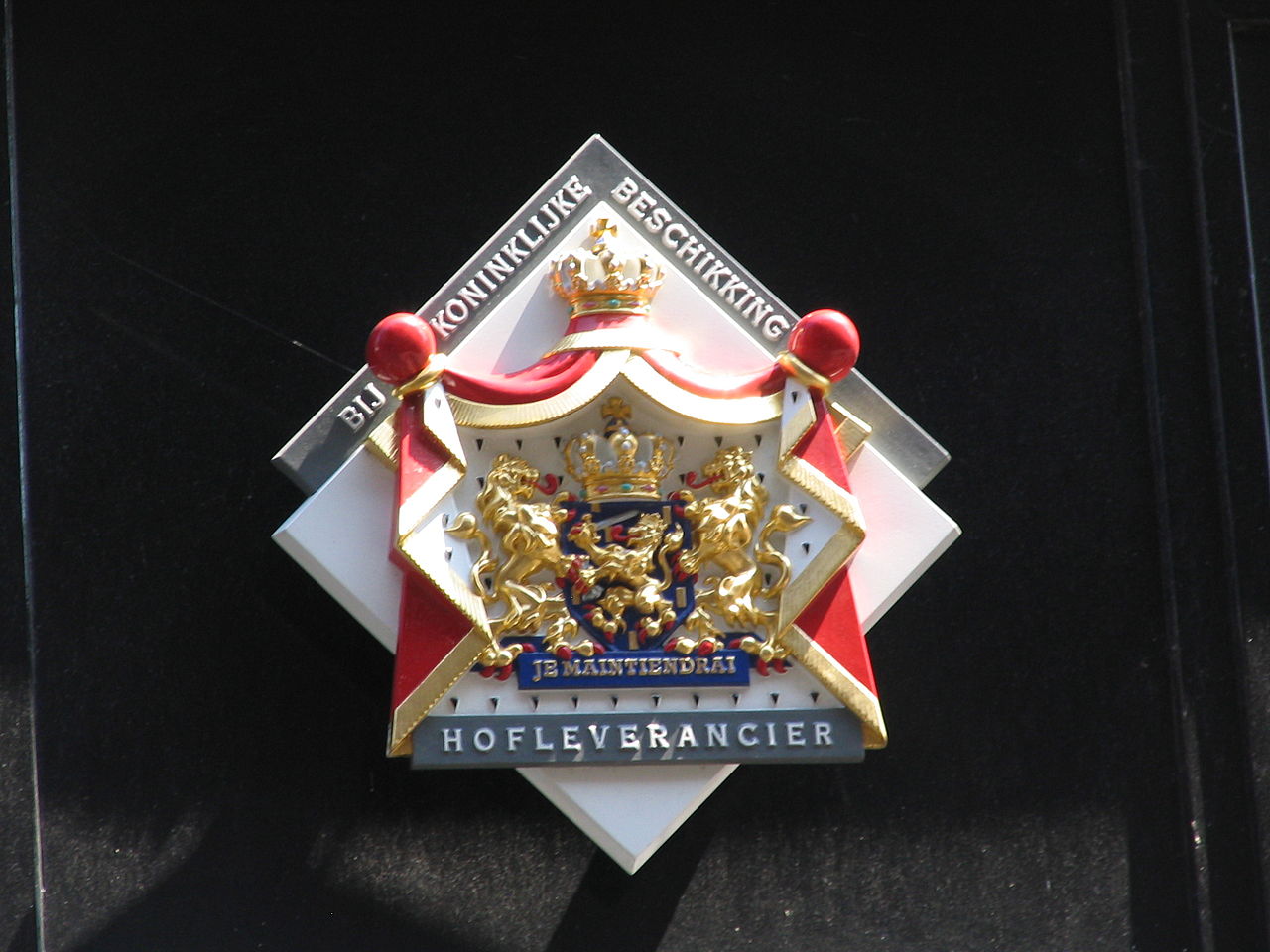


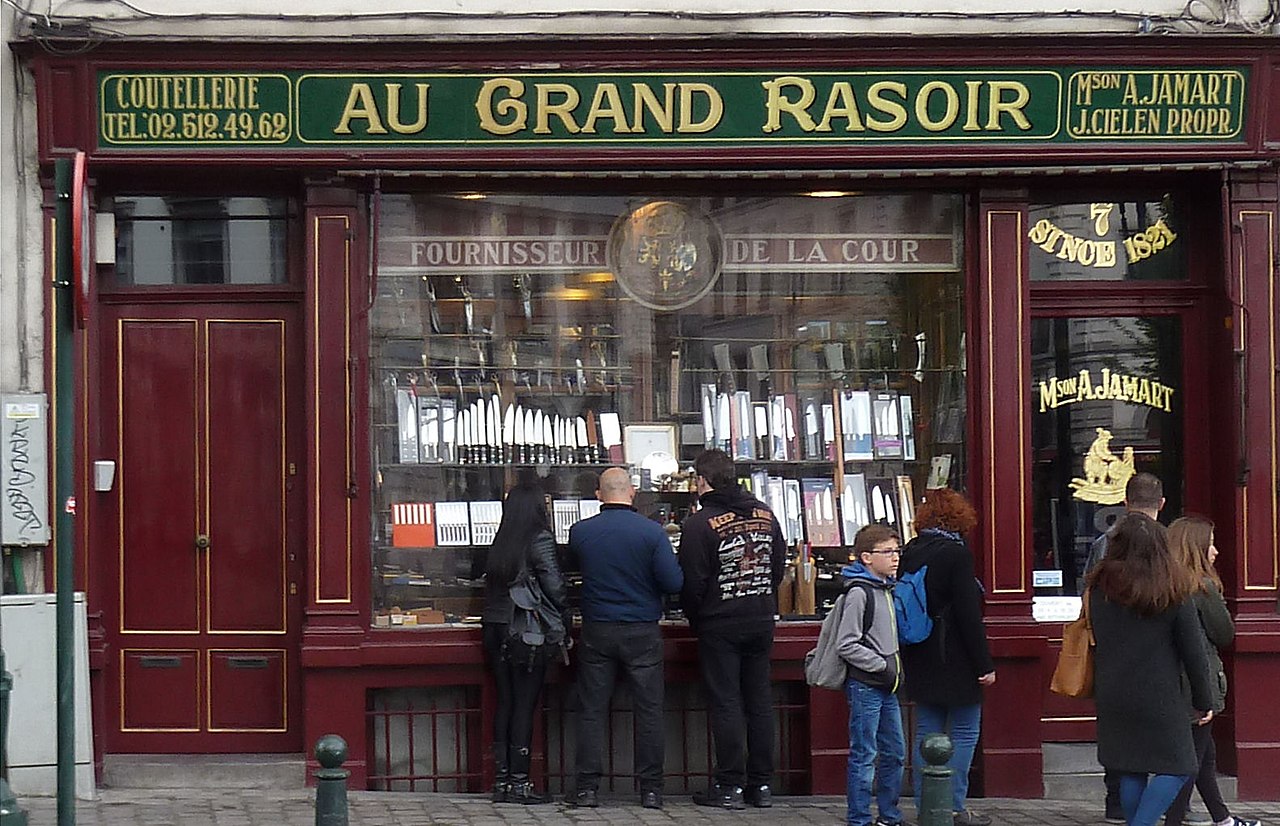


How a royal warrant works
The basic idea is simple: a supplier who has regularly provided goods or services to a royal household for a sustained period becomes eligible to apply for a warrant. Eligibility rules vary between countries, but some common features include:
- Period of supply: A minimum number of years of regular supply is normally required before a warrant can be considered.
- Authorization: Warrants are issued in the name of the royal person or office that approves them and may be withdrawn or allowed to lapse.
- Use of insignia: Holders are typically allowed to show the royal arms, a special wording, or a crest on packaging, premises and promotional material while the warrant is valid.
- Not an endorsement: A warrant denotes a commercial relationship, not a government guarantee or a definitive quality rating.
History and development
Royal warrants have roots in medieval household administration, when monarchs and noble households required reliable suppliers for food, cloth, metalwork and other necessities. Over centuries the practice formalized: households began to issue written authorizations to preferred suppliers, and these evolved into the modern warrants that both recognize service and allow limited commercial use of royal symbols. During long monarchies the list of grantors and the procedures have changed; for example, in Britain certain principal members of the royal family historically issued warrants in their own names.
Examples, use and significance
Recipients range from small craft workshops to large manufacturers and service firms. Typical categories include tailors, grocers, porcelain makers, clockmakers, and food producers. The practical benefits are reputational: a warrant can help with marketing and consumer trust. Warrant holders normally display the relevant insignia on shops, product labels and websites while it is current. Warrants can be rescinded, and they usually cease to be valid a set time after the death of the grantor unless reissued by the succeeding authority.
Variations and notable facts
Different monarchies have their own systems. Historically, in the United Kingdom during the long reign of Queen Elizabeth II, warrants were issued by the sovereign and a small number of senior royal household members (including the Duke of Edinburgh in that period, see historical grantors). Other European courts apply similar but distinct practices: some issue warrants to suppliers of the entire royal court rather than in the name of an individual. For example, Sweden maintains a royal supplier system that is formally linked to the Royal Swedish Court.
Warrants remain culturally and commercially significant: they reflect a continuing relationship between monarchy and commerce and help preserve traditional crafts and trades by recognizing long-term suppliers to royal households.
Questions and answers
Q: What are Royal warrants of appointment?
A: Royal warrants of appointment are given by members of the British Royal Family to companies and other people who supply them with goods.
Q: What does the warrant signify?
A: The warrant does not mean that the things are the best, only that the Royal family has been buying them for at least five years.
Q: How many members of the Royal Family issue warrants now?
A: Only three members of the Royal Family issue warrants now — The Queen, The Duke of Edinburgh, and Charles, Prince of Wales.
Q: Which other member of the Royal Family used to issue royal warrants?
A: The Queen Mother also issued royal warrants.
Q: When did The Queen Mother's royal warrants expire?
A: The Queen Mother's royal warrants expired in 2007, five years after her death.
Q: Do other countries' royal families issue similar awards?
A: Yes, many royal families in Europe issued similar awards.
Q: Whom does the Royal Swedish Court issue awards to?
A: Sweden still issues awards, but they are for supplying the "Royal Swedish Court," that is, the royal palace rather than a named member of the royal family.
Related articles
Author
AlegsaOnline.com Royal Warrant Leandro Alegsa
URL: https://en.alegsaonline.com/art/84522