
Rye (Secale cereale): grain, cultivation, uses and history
Rye (Secale cereale) is a hardy cereal of the grass family grown for grain, forage, flour and spirits. It tolerates poor soils and cool climates and is important in bread, distilled drinks, animal feed and cover cropping.
Overview
Rye (Secale cereale) is a cereal plant in the grass family cultivated primarily for its edible grain and for use as forage. As a crop it occupies a place between true cereals such as wheat and barley in appearance and use. Historically and today it is grown for human food, livestock feed and a variety of processed products. Botanically it belongs to the same broader family as other cereals and is often compared with wheat and barley.
Image gallery
10 Images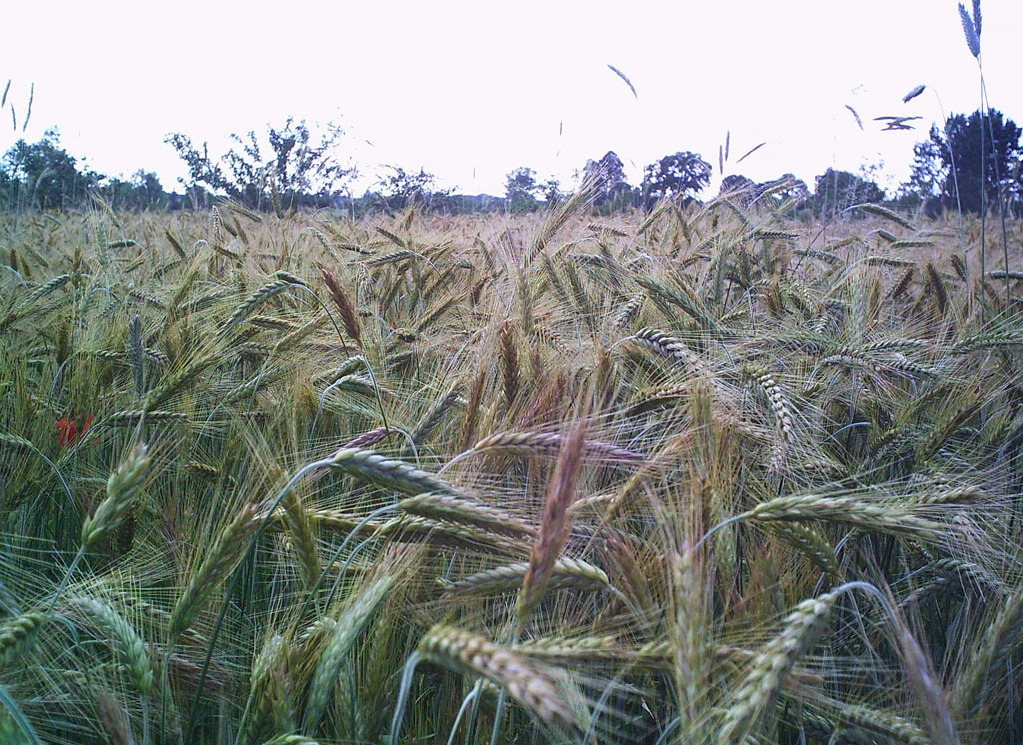


Characteristics and parts
Rye plants produce long, slender seed heads and mature grains that are smaller and darker than many wheat varieties. The plant is known for its hardiness: it tolerates poorer, more acidic soils and colder climates better than some other cereals. Rye grain is milled into flour with a distinctive flavor and lower gluten content than typical bread wheats, which influences baking properties. The crop also provides straw and leafy growth used as forage or bedding for animals.
History and cultivation
Rye likely spread across temperate regions from wild relatives in Eurasia and became an agricultural crop wherever cooler seasons limited other cereals. It has been cultivated for centuries in northern and eastern Europe because of its ability to produce reasonable yields on marginal land. Farmers value rye for its early spring growth, winter hardiness and capacity to act as a protective cover crop during fallow periods.
Uses and examples
Rye’s uses are diverse. Its grain is used to make dense breads, crispbreads and specialty baked goods. In distilled and fermented beverages, rye contributes to characteristic flavors: it is a principal ingredient in styles of whiskey and some vodkas. Rye is also grown as grass for grazing, silage and hay. As a soil management tool it is planted as a cover crop or green manure to reduce erosion and improve organic matter.
Agronomic and nutritional notes
From an agronomic standpoint, rye’s tolerance of cold and low-fertility sites makes it a preferred choice where other cereals struggle. Nutritionally, rye products tend to be high in dietary fiber and provide a different micronutrient profile and flavor compared with wheat-based foods. Because rye has less elastic gluten, breads often rely on sourdough or mixed flours to achieve desired textures.
Distinctive facts and risks
Rye has cultural and economic importance in many regions and appears in traditional recipes and beverages. A historically significant risk associated with rye is contamination by the ergot fungus (Claviceps species), which can produce toxic alkaloids; that association shaped historical food safety and storage practices. Rye remains a versatile crop valued for resilience, culinary character and roles in sustainable farming systems. See also discussion of its role in spirits and fermented drinks such as certain whiskies and beers (alcoholic drinks).
Questions and answers
Q: What is rye?
A: Rye is a type of grass that is usually grown as a grain or forage crop.
Q: What family of plants is rye a member of?
A: Rye is a member of the wheat family of plants.
Q: Is rye similar to wheat and barley?
A: Yes, rye is similar to both wheat and barley.
Q: What are some uses of rye?
A: Rye is used to make flour, food for animals, and many types of alcoholic drinks.
Q: What kind of crop is rye typically used as?
A: Rye is typically grown as a grain or forage crop.
Q: Is rye often fed to animals?
A: Yes, rye is often fed to animals as a forage crop.
Q: Can rye be used to make alcoholic drinks?
A: Yes, rye is used to make many types of alcoholic drinks.
Related articles
Author
AlegsaOnline.com Rye (Secale cereale): grain, cultivation, uses and history Leandro Alegsa
URL: https://en.alegsaonline.com/art/84958