
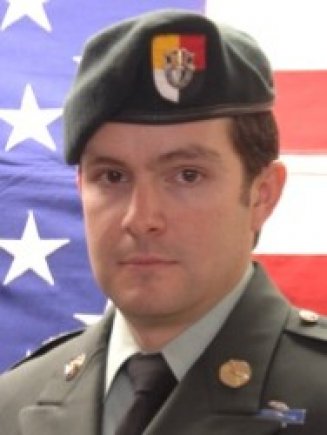
Ronald J. Shurer II — U.S. Army Special Forces Medic and Medal of Honor Recipient
Profile of Ronald J. Shurer II (1978–2020), a U.S. Army Special Forces medic honored for valor at Shok Valley, later awarded the Medal of Honor and remembered for his service and sacrifice.

Ronald J. Shurer II (December 7, 1978 – May 14, 2020) was a United States Army Special Forces staff sergeant and combat medic known for conspicuous bravery during an intense engagement in Afghanistan. Born in Fairbanks, Alaska, Shurer trained and served as a senior medical sergeant, providing frontline trauma care in dangerous conditions. His actions during a 2008 firefight brought national attention and eventually resulted in the nation's highest military decoration.
Image gallery
6 Images


Military service and the Battle of Shok Valley
Shurer served as a Special Forces medic attached to operational teams in Afghanistan. In April 2008 he was the senior medical noncommissioned officer during a high-risk operation in what is known as the Battle of Shok Valley. The assault force was met by a numerically superior enemy, and the unit came under heavy, sustained fire. For more than an hour, Shurer moved through exposed terrain, treating wounded comrades and enabling evacuation despite intense danger. His role exemplified the dual responsibilities of Special Forces medics: providing advanced trauma care and maintaining mission support under fire.
Awards, review and upgrade
For his conduct in Shok Valley, Shurer was initially awarded the Silver Star. Years later his case was reviewed and the award was upgraded. The upgrade decision was made through a Pentagon-level review process and, in 2018, he was formally invested with the Medal of Honor in a ceremony at the White House. The administrative action was overseen by the Pentagon, reflecting a wider effort to ensure service members' valorous acts were fully recognized.
Later life, illness and death
After completing his service, Shurer transitioned to civilian life while remaining engaged with veteran communities and medical practice. In the years that followed he developed health problems and, in 2020, died of complications related to lung cancer. He passed away at the Mayo Clinic in Rochester, Minnesota, at the age of 41. His death prompted public remembrances that honored both his battlefield actions and his work as a medic.
Legacy and significance
Shurer's story is often cited in discussions of battlefield medicine, small-unit leadership, and how the military recognizes extraordinary service. Medics like Shurer operate at a critical intersection of medical skill and combat exposure; his conduct under fire illustrates the risks medics accept to save lives. His posthumous remembrance emphasizes not only the single act for which he was decorated but also the broader contributions of Special Forces medics to coalition operations.
Notable facts
- Born December 7, 1978, in Fairbanks, Alaska.
- Served as a Special Forces staff sergeant and senior medical sergeant.
- Initially received the Silver Star; award later upgraded through the Pentagon review process and presented as the Medal of Honor at the White House.
- Died May 14, 2020, from lung cancer at the Mayo Clinic in Rochester, Minnesota.
For further context on Special Forces medics and battlefield recognition, consult official military histories and records maintained by the U.S. Army and veteran organizations that document combat medical care and awards processes.
Related articles
Author
AlegsaOnline.com Ronald J. Shurer II — U.S. Army Special Forces Medic and Medal of Honor Recipient Leandro Alegsa
URL: https://en.alegsaonline.com/art/83987