
Ronald Reagan Boyhood Home
The house at 816 South Hennepin Street in Dixon, Illinois, where Ronald Reagan lived beginning in 1920; preserved as a historic site and listed on the National Register of Historic Places in 1982.
The Ronald Reagan Boyhood Home is the residence at 816 South Hennepin Street in Dixon, Illinois, where Ronald Reagan and his family lived beginning in 1920. The property is associated with the early life of the 40th President of the United States and is recognized for its historical connection to his formative years. It was listed on the National Register of Historic Places in 1982, acknowledging both its local significance and its association with a prominent national figure.
Image gallery
4 Images


Overview and location
The house stands in Dixon, a small city in northwestern Illinois. Its street address is commonly cited in historical records and visitor information. For more on the town and local context, see Dixon. Background on the family’s later prominence is linked to Ronald Reagan himself: Ronald Reagan.
Architectural character and setting
The building is best described as a modest early 20th‑century American family dwelling typical of small Midwestern communities. While not ostentatious, such houses reflect common materials and layouts of the period and offer a window into everyday domestic life during the 1920s. Its principal value lies less in high-style architecture than in the intact association with a notable individual’s childhood and the patterns of community life that shaped him.
Historical context and Reagan’s youth
Ronald Reagan moved to the Dixon house with his family as a child in 1920 and spent part of his youth there. The experiences of his early years—family routines, schooling, and community involvement—are often cited by biographers as formative influences on his character. The house is therefore interpreted primarily through the lens of Reagan’s biography and the social history of small‑town America in the interwar period.
Preservation and recognition
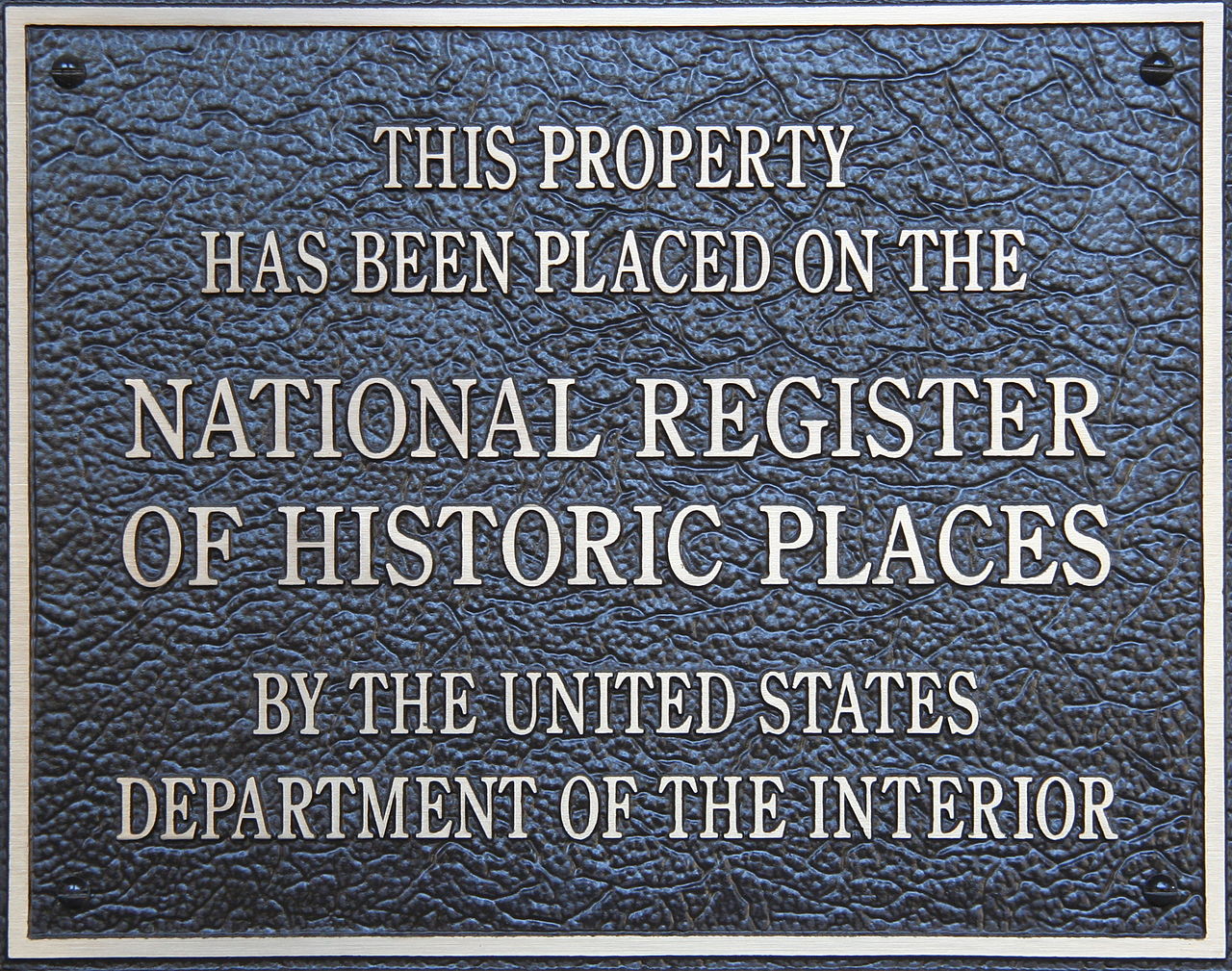
In recognition of its association with a president’s childhood, the property was entered on the National Register of Historic Places in 1982, a designation that helps protect and document places of national, state, or local significance. The listing is documented in the National Register program: National Register listing. Local and private preservation efforts have aimed to maintain the building’s historic fabric and to provide context about the era.
Significance and visitor information
The site’s importance derives from several factors:
- Biographical association: direct connection to Ronald Reagan’s childhood years.
- Cultural context: illustrative example of family life in a Midwestern town during the 1920s.
- Educational value: a resource for visitors and researchers interested in presidential history and local heritage.
Interested readers and visitors can find introductory materials and guidance through regional heritage organizations and historical societies; more general information about Reagan’s life and legacy is available through broader reference sources: biographical resources. For regional museum and site listings that include related places and programs, consult local tourism and preservation outlets: local resources and archived registries: official historic records.
Related sites and distinctions
Preserving presidents’ birthplaces, boyhood homes, and other associated sites is a common practice in the United States. These places vary in their presentation—from furnished historic interiors to interpretive exhibits—and together they contribute to public understanding of how early environments influenced later public figures. The Dixon house is one element in a broader network of locations tied to Ronald Reagan’s life and to the study of presidential history more generally.
Related articles
Author
AlegsaOnline.com Ronald Reagan Boyhood Home Leandro Alegsa
URL: https://en.alegsaonline.com/art/83993
Sources
- nrhp.focus.nps.gov : "National Register Information System"