
Rochester, Minnesota
Rochester is a city in southeast Minnesota, known as the home of the Mayo Clinic. It is Minnesota's third-largest city and a regional center for health care, education, and commerce.

Rochester is a city in southeast Minnesota that serves as a regional hub for medicine, education, and commerce. Long identified with the Mayo Clinic, Rochester grew from a small 19th-century settlement into the state’s third-largest city. Its population is commonly cited in the low six figures, and the city combines residential neighborhoods, commercial districts, and a network of medical and research facilities.
Image gallery
10 Images


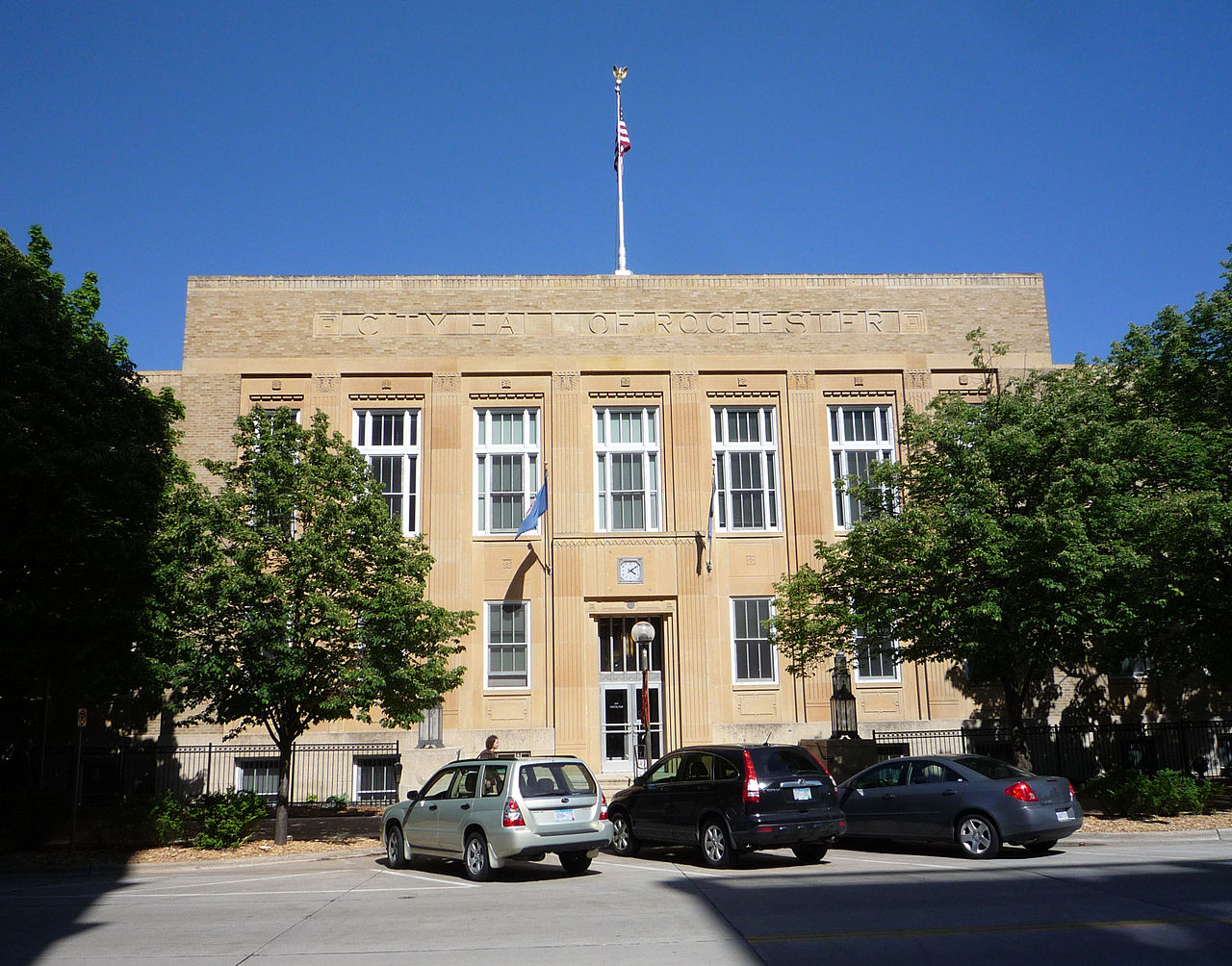


Characteristics and institutions
The most prominent institution is the Mayo Clinic, an integrated medical practice and research center that draws patients worldwide and is the city’s largest employer. Rochester’s urban area also includes colleges, municipal services, parks, and cultural venues. The built environment mixes historic downtown buildings with modern medical complexes and suburban development.
History and development
Rochester was named after Rochester, New York, reflecting the common practice of 19th-century settlers using familiar place names. Its growth accelerated with transportation links and the expansion of medical services. A defining event in the city’s early history was a severe tornado on August 21, 1883; the storm caused extensive damage and resulted in the deaths of many residents, prompting rebuilding and the strengthening of community institutions. For more on that disaster, see the 1883 tornado.
Economy and importance
Health care and biomedical research dominate the local economy, with many businesses and services supporting the medical sector. The Mayo Clinic’s presence supports hospitals, specialty clinics, and a range of professional services. The city also has retail centers, light manufacturing, and a growing technology and biotech presence tied to research and higher education.
Culture, transport, and notable facts
Rochester offers cultural amenities such as museums, theaters, festivals, and parks. Public transportation connects neighborhoods with medical and commercial centers, and regional highways link the city to the broader Upper Midwest. Notable facts include its reputation as a medical tourism destination and its steady civic investment in public health, education, and infrastructure.
- Regional center for medical care and research
- Home to major medical employer(s) and related industries
- Historic events, including a destructive 19th-century tornado
- Mix of urban, suburban, and green spaces
As a city with a distinctive medical identity, Rochester continues to evolve while maintaining institutions and landmarks that reflect its history and its role in regional health and economic life.
Related articles
Author
AlegsaOnline.com Rochester, Minnesota Leandro Alegsa
URL: https://en.alegsaonline.com/art/83493