
Romeo and Juliet (1936 film)
1936 Hollywood film adaptation of Shakespeare’s tragedy, directed by George Cukor and starring Leslie Howard and Norma Shearer, noted for its studio-era production values and high-profile cast.
Overview
Romeo and Juliet is a 1936 American screen adaptation of William Shakespeare's tragedy, directed by George Cukor. The picture brought two established stars to the title roles—Leslie Howard and Norma Shearer—and assembled a well-known supporting ensemble that included John Barrymore, Basil Rathbone and Edna Mae Oliver. Produced within the studio system, the film sought to translate Shakespeare's language and dramatic structure for a 1930s audience while showcasing the production values of the era.
Image gallery
2 Images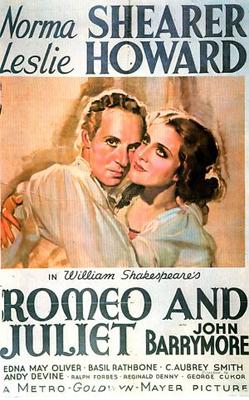
Production and style
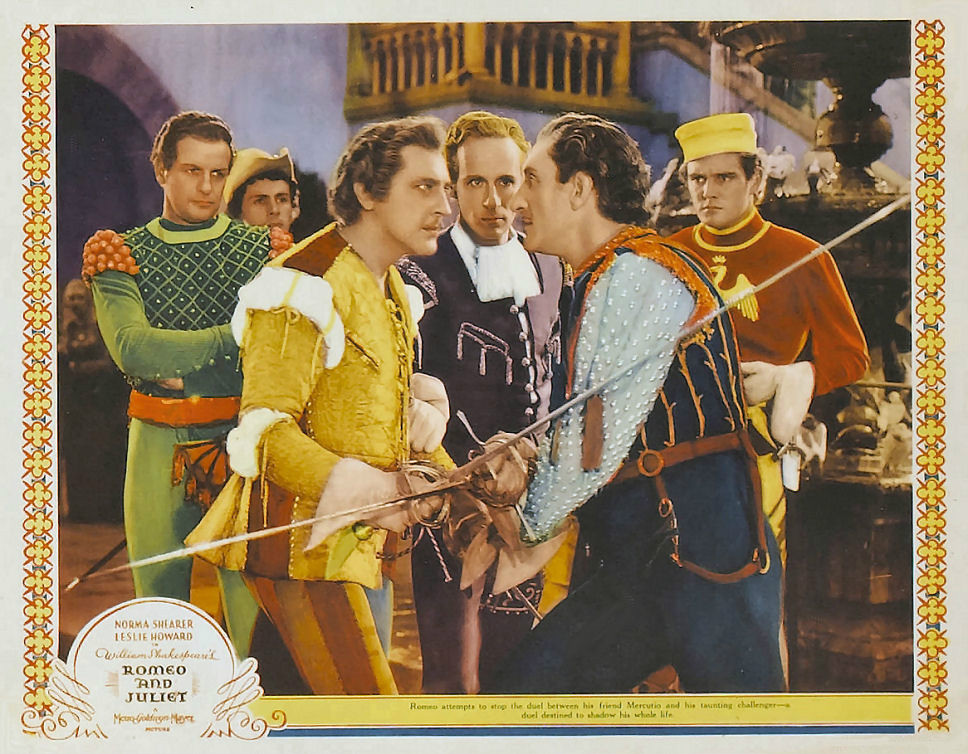
Made as a major studio costume drama, the film emphasized elaborate sets, period costumes and polished cinematography rather than experimental techniques. It preserves much of Shakespeare's original text but also features editorial condensation typical of stage-to-screen adaptations. The visual approach and careful staging reflect classical Hollywood craftsmanship and the directors' effort to balance theatrical dialogue with cinematic pacing. The finished picture was released in black-and-white and presented as a prestige project.
Cast and performances
The casting of adult, established screen stars in adolescent roles attracted attention: Leslie Howard and Norma Shearer were both mature performers by 1936, and contemporary reviewers often noted the age difference between actors and Shakespeare’s teenage lovers. Supporting players contributed characterful turns that anchored the household names. A brief cast list highlights the principal credited performers:
- Leslie Howard — lead
- Norma Shearer — lead
- John Barrymore — supporting
- Basil Rathbone — supporting
- Edna Mae Oliver — supporting
Reception and legacy
At release the film received mixed responses: critics praised the production design and performances while some theatre-minded commentators preferred more faithful or stage-rooted presentations. Over time the 1936 Romeo and Juliet has been studied as an example of Hollywood's engagement with canonical literature and as part of a lineage of Shakespeare adaptations. Film historians reference it when discussing star-driven interpretations of classic plays and the compromises involved in adapting dense Elizabethan drama for mid-20th-century screens.
Notable facts
The movie is often mentioned in surveys of Shakespeare on film for its high-profile casting and studio polish. It illustrates the period tendency to treat Shakespeare as a source for star vehicles and lavish period pieces rather than strict theatrical reproduction. For readers seeking primary information on Shakespeare’s original text and its many adaptations, consult resources about William Shakespeare and historical overviews of theatrical-to-film translations; archival and production notes can be found through studio histories and dedicated film research collections.
Related articles
Author
AlegsaOnline.com Romeo and Juliet (1936 film) Leandro Alegsa
URL: https://en.alegsaonline.com/art/83927