
Rose of Cimarron (1952 film)
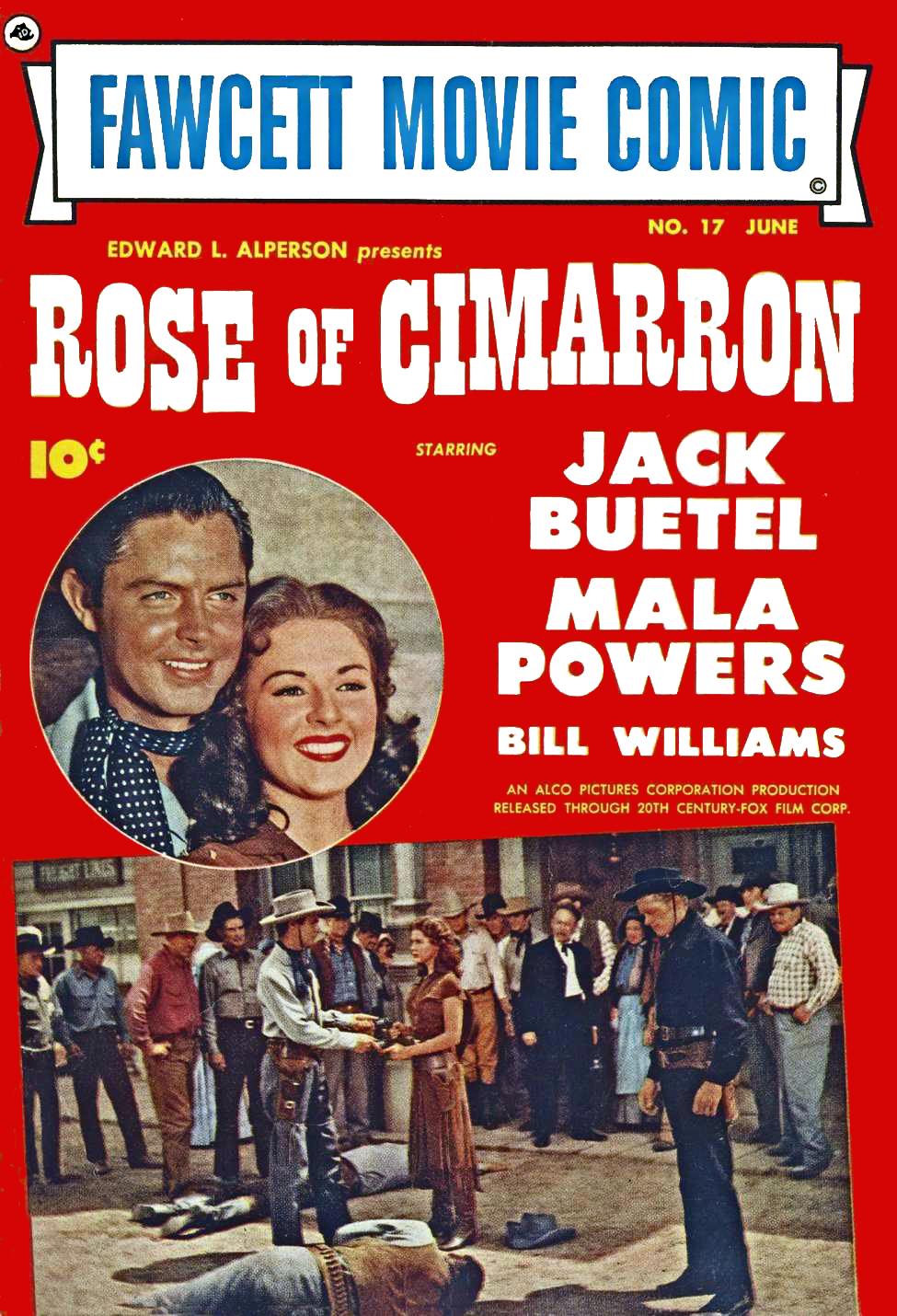
Rose of Cimarron is a 1952 American Western directed by Harry Keller, featuring Mala Powers, Jack Beutel and Bill Williams. Distributed by 20th Century Fox, it exemplifies studio-era Westerns.
Overview
Rose of Cimarron is a 1952 American Western film released by 20th Century Fox. Directed by Harry Keller, the picture belongs to the mid-century cycle of studio Westerns that mixed frontier drama with compact, economy-minded production values. While not among the most famous Westerns of its decade, it represents the steady output of Western features that filled cinema schedules and catered to fans of the genre.
Image gallery
2 Images
Production and direction
Harry Keller, credited as director, worked frequently on genre films for major studios during this period. His direction typically emphasized brisk storytelling and clear staging, qualities suited to modestly budgeted Westerns. The film was produced within the studio system and distributed nationally by 20th Century Fox, reflecting the era's industrial approach to genre filmmaking.
Cast and characters
The film's ensemble includes performers who were regulars in Westerns and character roles of the time. Principal cast members listed in contemporary materials are:
- Mala Powers
- Jack Beutel
- Bill Williams
- Dick Curtis
- William Phipps
- Irving Bacon
- Monte Blue
- George Chandler
Style, themes and context
Like many Westerns of the early 1950s, Rose of Cimarron would have drawn on familiar frontier themes—community conflict, law and order, and personal courage—while tailoring its story to the studio's resources. Films of this type often combined action sequences, interpersonal drama and scenic locations to evoke the mythic American West without large-scale epics' budgets.
Release and reception
Distributed by a major studio, the film reached typical theatrical circuits of the period. Contemporary reviews for similar releases tended to focus on the cast's performances and the film's entertainment value rather than on awards or critical acclaim. Over time such titles are often of interest to historians and collectors tracing careers of actors and directors or studying the Western as a popular genre.
Legacy and notable facts
Rose of Cimarron serves as an example of postwar studio Western production and illustrates the career paths of mid-century film professionals who worked steadily across features and supporting roles. For viewers exploring the era, it offers a snapshot of conventional Western storytelling and the ensemble casts that populated Hollywood's genre output.
Related articles
Author
AlegsaOnline.com Rose of Cimarron (1952 film) Leandro Alegsa
URL: https://en.alegsaonline.com/art/84146