
George Cukor: American director of comedies and literary film adaptations (1899–1983)
George Cukor (1899–1983), American film director celebrated for comedies and stage‑to‑screen literary adaptations, a leading Hollywood figure noted for performance-driven, polished films from the 1930s–1960s.
George Dewey Cukor (July 7, 1899 – January 24, 1983) was an American film director whose career spanned from the silent era into the 1980s. He became known for his skill with comedies and with screen adaptations of novels and plays, and he was a prominent creative figure at major Hollywood studios during the 1930s through the 1960s.
Image gallery
9 Images
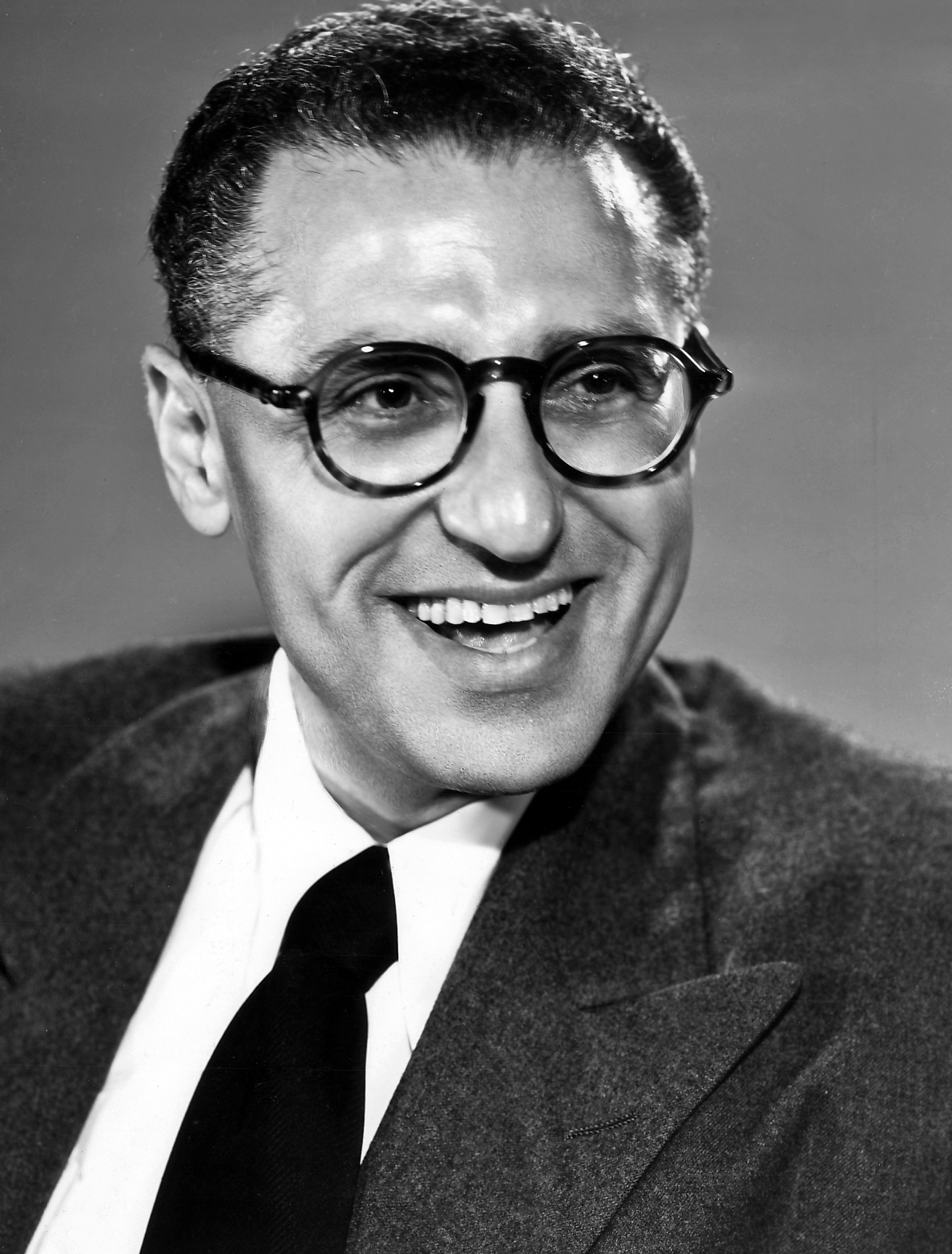

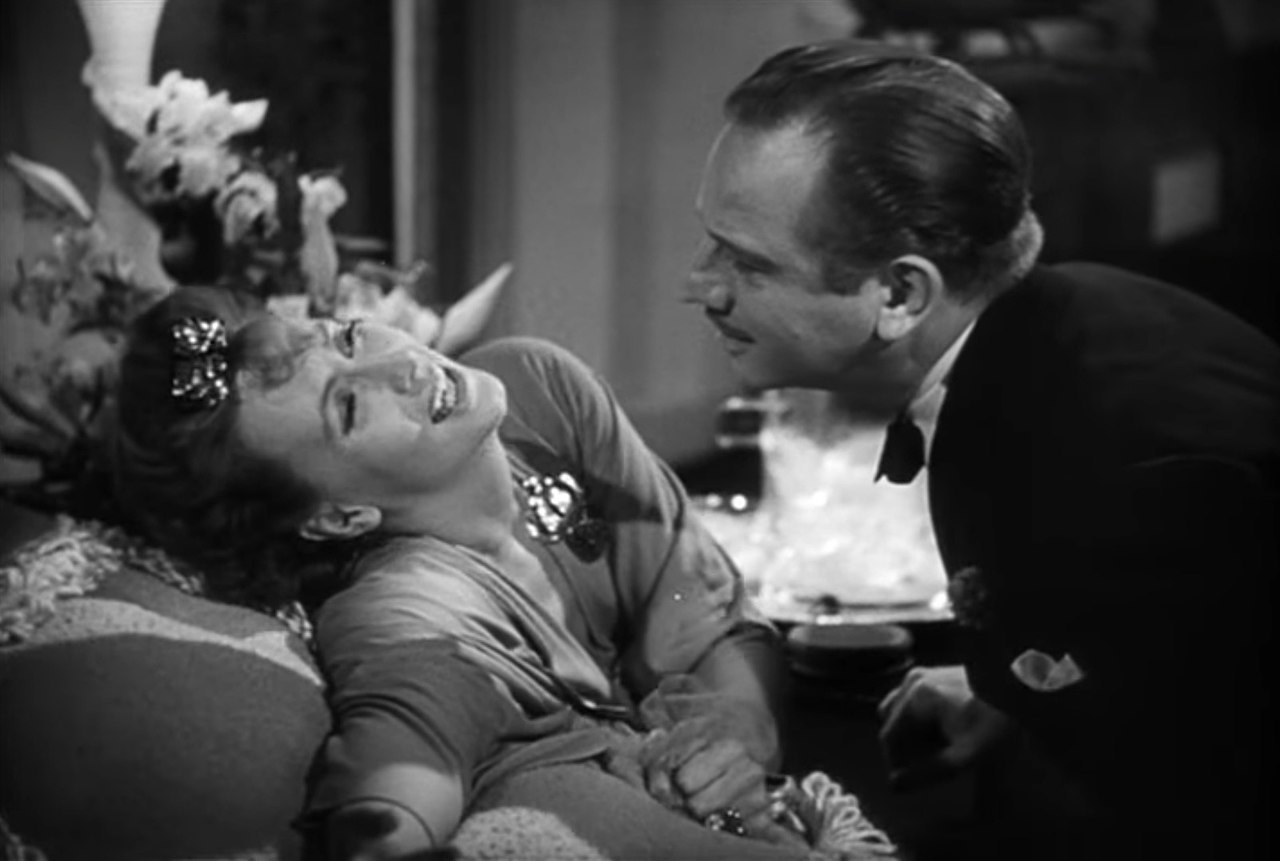


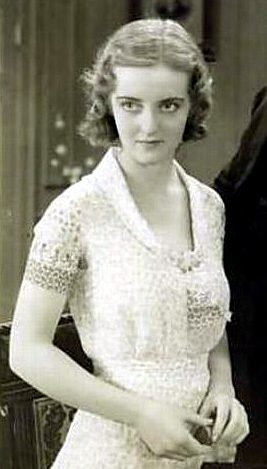

Early life
Cukor was born in New York City on July 7, 1899. Details of his early education and first steps in the theatre and film world led him to directing work in stage and screen before he established himself in Hollywood.
Career
During the 1930s Cukor directed several films for RKO and later worked extensively for MGM. He built a reputation for drawing strong performances from actors and for adapting written material to the screen with attention to character and dialogue. Across his long career he moved between light comedies, romantic dramas and adaptations of classic literature.
Selected films
- Little Women (1933) — an early notable adaptation for RKO.
- Dinner at Eight (1933) — a large-cast comedy-drama produced at MGM.
- David Copperfield (1935) — a literary adaptation filmed at MGM.
- Romeo and Juliet (1936) — a screen version of Shakespeare's play.
- Camille (1936) — another period drama from the mid-1930s.
- The Philadelphia Story (1940) — a celebrated comedy of manners.
- Adam's Rib (1949) — a well-known comedy exploring gender and marriage.
- Born Yesterday (1950) — a satirical comedy based on a stage play.
- A Star Is Born (1954) — a major Hollywood remake featuring music and drama.
- My Fair Lady (1964) — a large-scale musical adaptation of a stage work.
Later life and legacy
Cukor continued directing into the later decades of the 20th century. He died in Los Angeles on January 24, 1983. Over many decades his films have been noted for their performances, polish, and for successful screen versions of literary and theatrical sources.
Related articles
Author
AlegsaOnline.com George Cukor: American director of comedies and literary film adaptations (1899–1983) Leandro Alegsa
URL: https://en.alegsaonline.com/art/38203